
AS 1830 Grey Iron Casting Standard
It is a very common Austrilian Casting stundard, and suitable for various kinds of industry for its advantages:
– High Cost-Effectiveness: Low raw material cost and simple casting process
– Excellent Casting Performance: Good fluidity, suitable for complex-shaped castings
– Good Machinability: Low cutting resistance and low tool wear
– Special Properties: Good wear resistance, high thermal conductivity, and excellent shock absorption performance (graphite flakes absorb vibration)
– High Compressive Strength: Approximately 3-4 times the tensile strength, suitable for structural parts bearing pressure
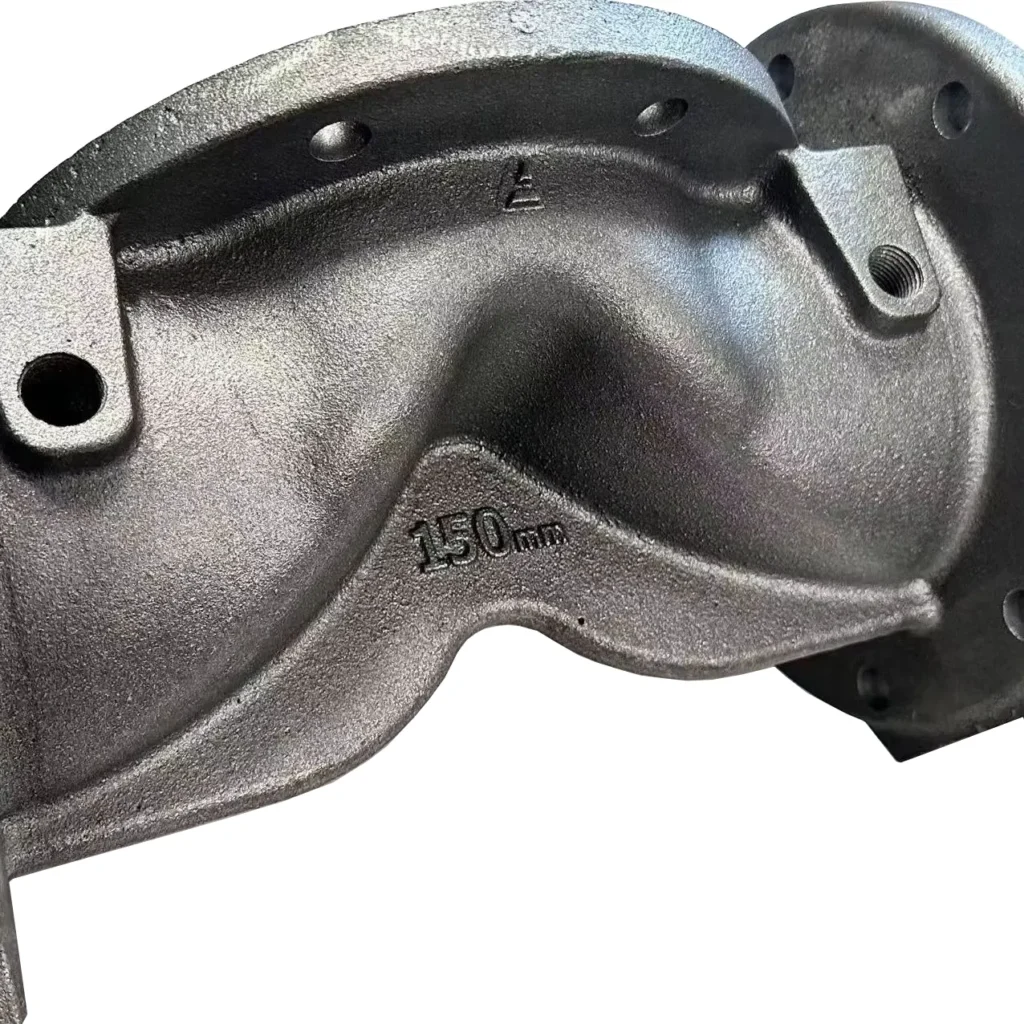

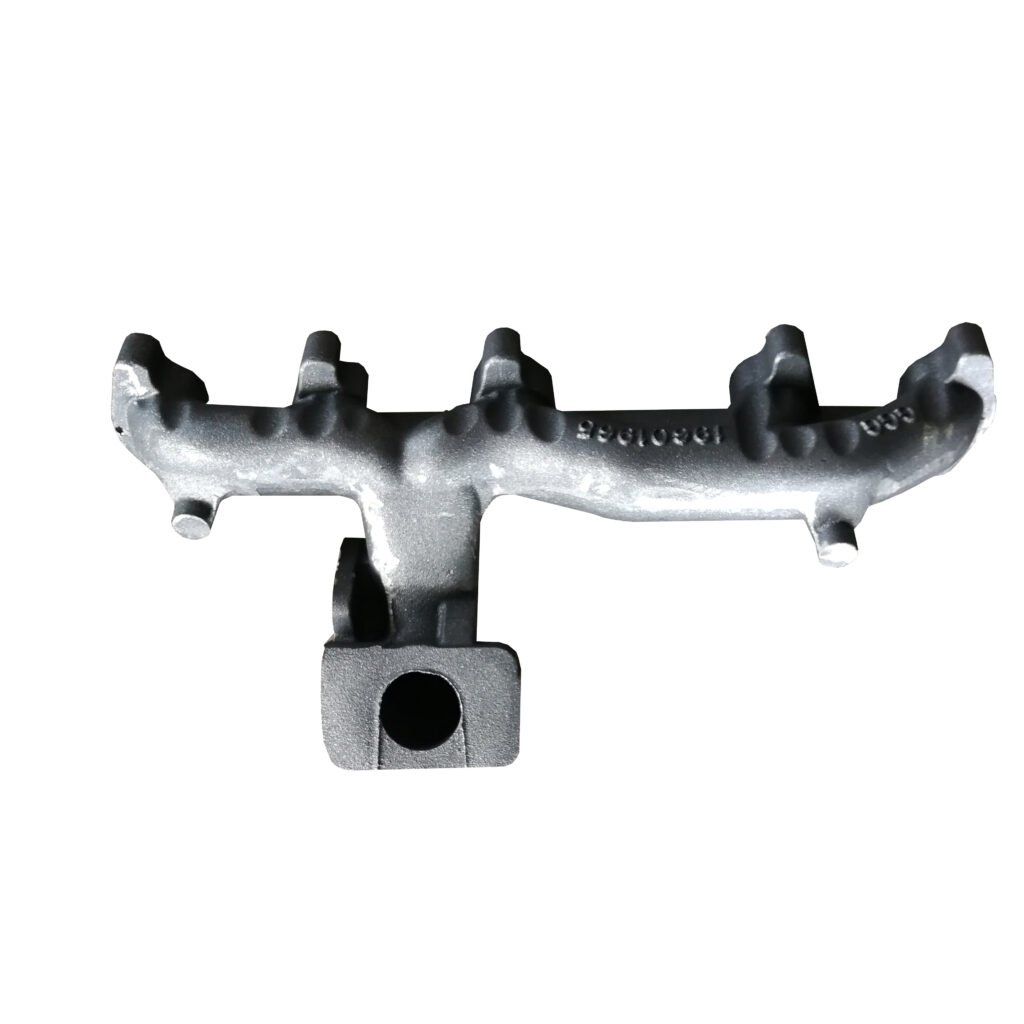
AS 1830 Grey Iron Casting Equivalent Grade Comparison Table
AS 1830 Grade | EU EN | US ASTM | Germany DIN | Japan JIS | China GB | UK BS |
|---|---|---|---|---|---|---|
T150 | EN-GJL-150 | CLASS 20 | GG15 | FC150 | HT150 | 150/170 |
T180 | EN-GJL-180 | CLASS 25 | GG18 | FC180 | HT180 | 180/200 |
T220 | EN-GJL-200 | CLASS 30 | GG20 | FC200 | HT200 | 200/220 |
T275 | EN-GJL-250 | CLASS 35 | GG25 | FC250 | HT250 | 250/270 |
T300 | EN-GJL-300 | CLASS 40 | GG30 | FC300 | HT300 | 300/320 |
T350 | EN-GJL-350 | CLASS 45 | GG35 | FC350 | HT350 | 350/370 |
T400 | EN-GJL-400 | CLASS 50 | GG40 | FC400 | HT400 | 400/420 |
AS 1830 Grey Iron Casting Chemical Composition Requirements
Element | Content Range (%) | Function |
|---|---|---|
Carbon (C) | 3.0-3.6 | Determines graphite morphology and quantity, affecting fluidity |
Silicon (Si) | 2.2-3.2 | Promotes graphitization, improves fluidity and oxidation resistance |
Manganese (Mn) | 0.5-1.0 | Controls pearlite content, improves strength and hardness |
Sulfur (S) | ≤0.12 | Controls graphite morphology; excessive content impairs mechanical properties |
Phosphorus (P) | ≤0.15 | Improves fluidity; excessive content increases brittleness |
Mechanical Properties (φ30mm Separately Cast Test Pieces)
Performance Parameter | Unit | T220 Value Range | Test Standard |
|---|---|---|---|
Tensile Strength (Rm) | MPa | 225-325 | AS 1391-2007 (equivalent to ISO 6892) |
0.1% Yield Strength (Rp0.1) | MPa | 150-210 | Reference Value |
Elongation After Fracture (A) | % | 0.3-0.8 | Typical low plasticity of grey cast iron |
Brinell Hardness (HB) | – | 180-230 | AS 1816 (equivalent to ISO 6506) |
Compressive Strength | MPa | 780 | Approximately 3-4 times the tensile strength |
Bending Strength | MPa | 315 | Reference Value |
Elastic Modulus (E) | GPa | 95-115 | Depends on graphite morphology and content |
Density | kg/dm³ | 7.15 | Standard Density |
| Manufacturing Method | Sand Casting(Resin Sand, Pre-Coated Sand, Clay Sand, Water glass sand, Green Sand,lost foam ) |
| Material Standard | GB, ANSI, BS, DIN, JIS, ASTM, ASME, AISI, etc carbon steel, low carbon steel, middle carbon steel, G35, G45, WCB, WCA, WCC, ISO 340-550, etc. Alloy Carbon steel: G25CrMo4, Heat Resistant Steel, etc. Stainless Steel: SUS 304, 304L, 316, 316L, CF8, CF8M, G-X7CrNiNb1189, etc. AS2074 or according to customer specific requirement. Ductile Iron:A536-Gr.60-40-18,GGG40,GGG50,FCD40,FCD50,Gr370-17,Gr420-12,etc Grey Iron:A48-No.20,25,30,GG10,GG15,GG20,FC10,FC15,FC20,Grade 150,180,220,FGL150,FGL200,FGL250,etc |
| Weight Range | 1 kg to 100 Tons |
| General Casting Tolerance | CT8-CT12 |
| Design Software | UG, Pro-E, Inventor |
| Dwg Format | STP, STEP, IGS,STP,X_T ,DXF,DWG , Pro/E, PDF, SLDPRT |
| Mould Manufacturing | Yes |
| Casting Stimulation | Yes |
| Ultimate machining tolerance | 0.005mm |
| Quality Control | RT,UT,MT,PT,CMM,SCAN,Chemical and Mechanical Property Testing,Spectrometer,etc |
| Finish Roughness | Ra12.5-Ra25 according to customer requirement |
| Logo/ID | Silk-screening, Laser Marking, Engrave,Painting |
| Heat Treatment | Normalization, Annealing, Quenching and Tempering, Case Hardening, Nitriding, Carbon Nitriding, Induction Quenching,etc |
| Surface Treatment | Shot/sand blast, Polishing, Surface Passivation, Painting , Anodizing,Powder coating, ED- Coating, Chrome Plating, zinc-plate, Dacromat coating, Finish Painting,hot-dip galvanizing, etc |

