
Common International Grades of Austenitic Manganese Steel Grades
Austenitic manganese steel is characterized by high manganese (11–14%) and carbon (1.0–1.4%) content, offering exceptional work-hardening, wear resistance and impact toughness for heavy-duty applications.
1. Key International Grades (Equivalent & Closest)
| Region/Country | Standard | Grade | Typical Composition (mass %) | Core Features |
|---|---|---|---|---|
| United States | ASTM A128 | Grade A (X120Mn12) | C: 1.05–1.35, Mn: 11–14 | Most universal grade, excellent wear & impact resistance |
| United States | ASTM A128 | Grade B | C: 0.9–1.2, Mn: 11–14 | Slightly better toughness for complex impact conditions |
| United States | ASTM A128 | Grade C | C: 1.0–1.3, Mn: 11–14, Cr: 1.5–2.5 | Cr-alloyed, improved wear & corrosion resistance |
| EU / Germany | EN 10339 / DIN 17465 | X120Mn12 (1.3401) | C≤1.35, Mn: 11–14 | Direct equivalent to ASTM A128 Grade A |
| Germany | DIN 1681 | GS 13Mn12 | C≤1.35, Mn: 11–14 | Casting grade, identical to X120Mn12 |
| Australia | AS 2074 | H1E | C≤1.20, Mn: 11–14 | Australian cast austenitic manganese steel, equivalent to X120Mn12 |
| China | GB/T 5680 | ZGMn13-2 | C: 1.0–1.4, Mn: 11–14 | Most widely used Chinese casting grade, balanced toughness & wear resistance |
| Japan | JIS G5122 | SUH11 | Approximate composition, heat-resistant variant | Partial substitute for wear applications |
2. Key Grade Highlights
- ASTM A128 Grade A / X120Mn12 (1.3401): The global benchmark for austenitic manganese steel, used in crusher jaws, bucket teeth, and railway crossings. Work-hardens to >500HB under impact.
- AS 2074 H1E: Australian standard casting grade, fully interchangeable with X120Mn12 for mining and construction machinery parts.
- ZGMn13-2 (China): Cost-effective domestic alternative, ideal for high-impact wear components in mining and cement plants.
3. Selection Guide
- Global trade: Specify ASTM A128 Grade A or EN 1.3401 (X120Mn12)
- Australian market: Use AS 2074 H1E directly
- Domestic production: Choose ZGMn13-2 for optimal performance and cost balance
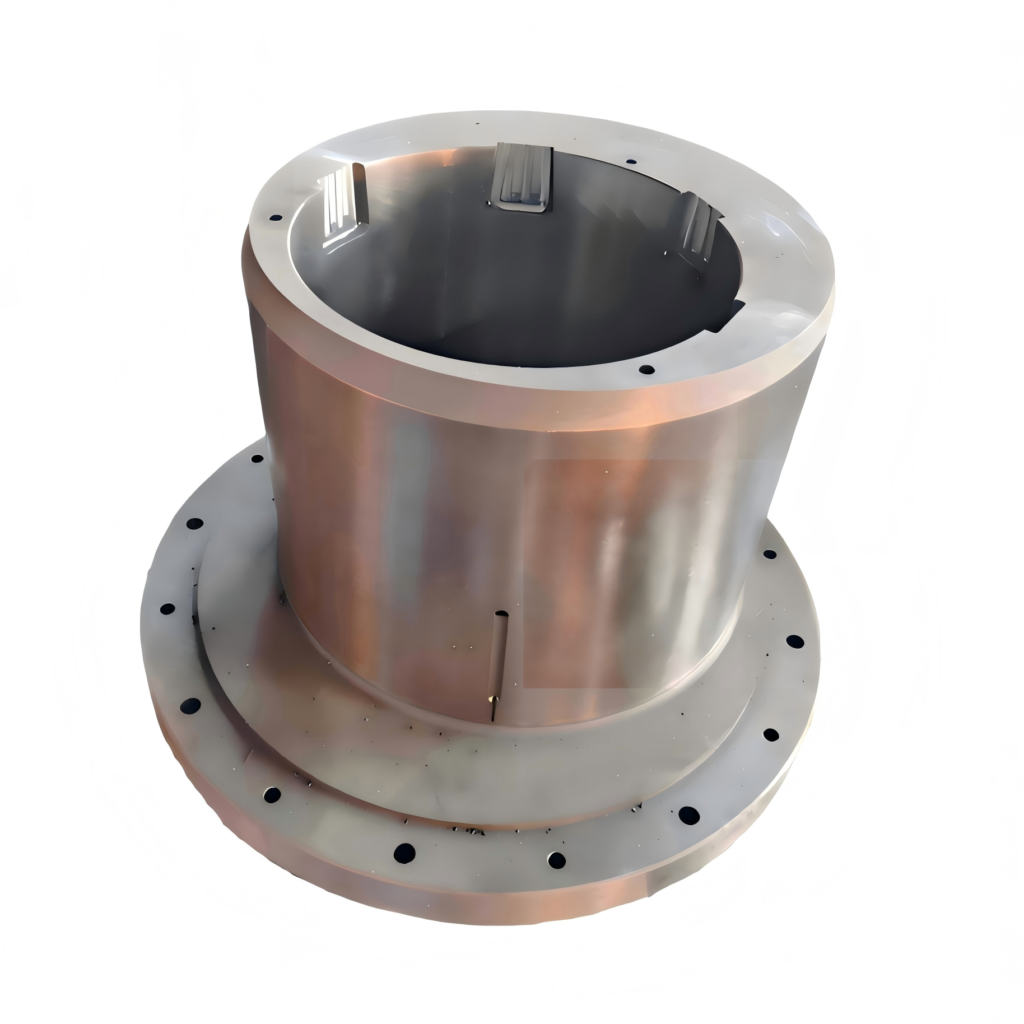
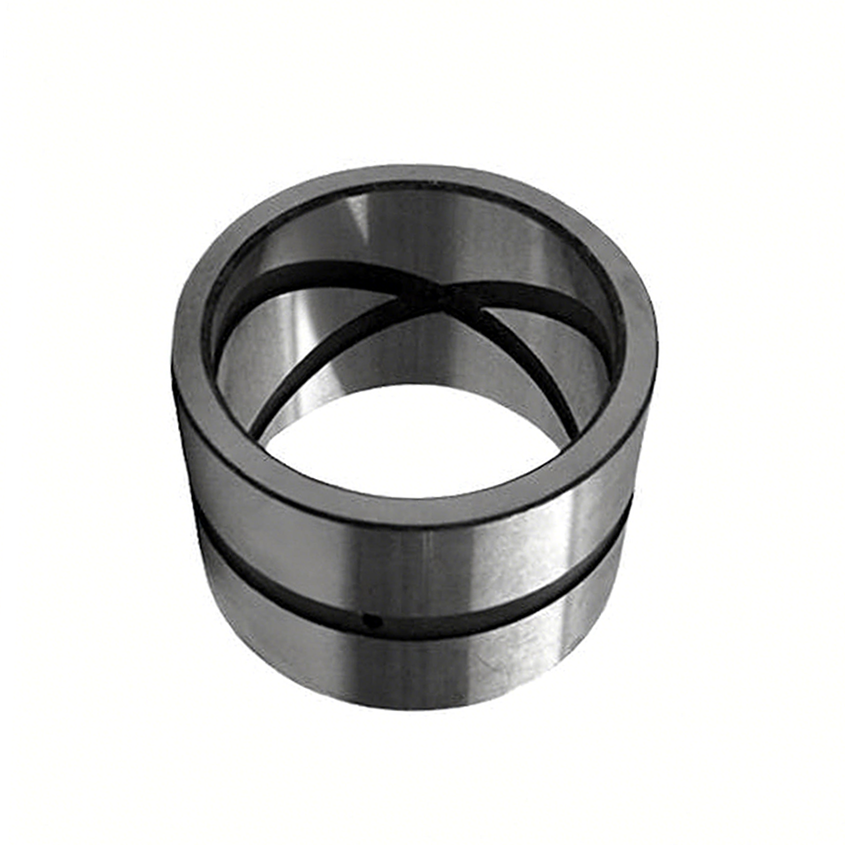
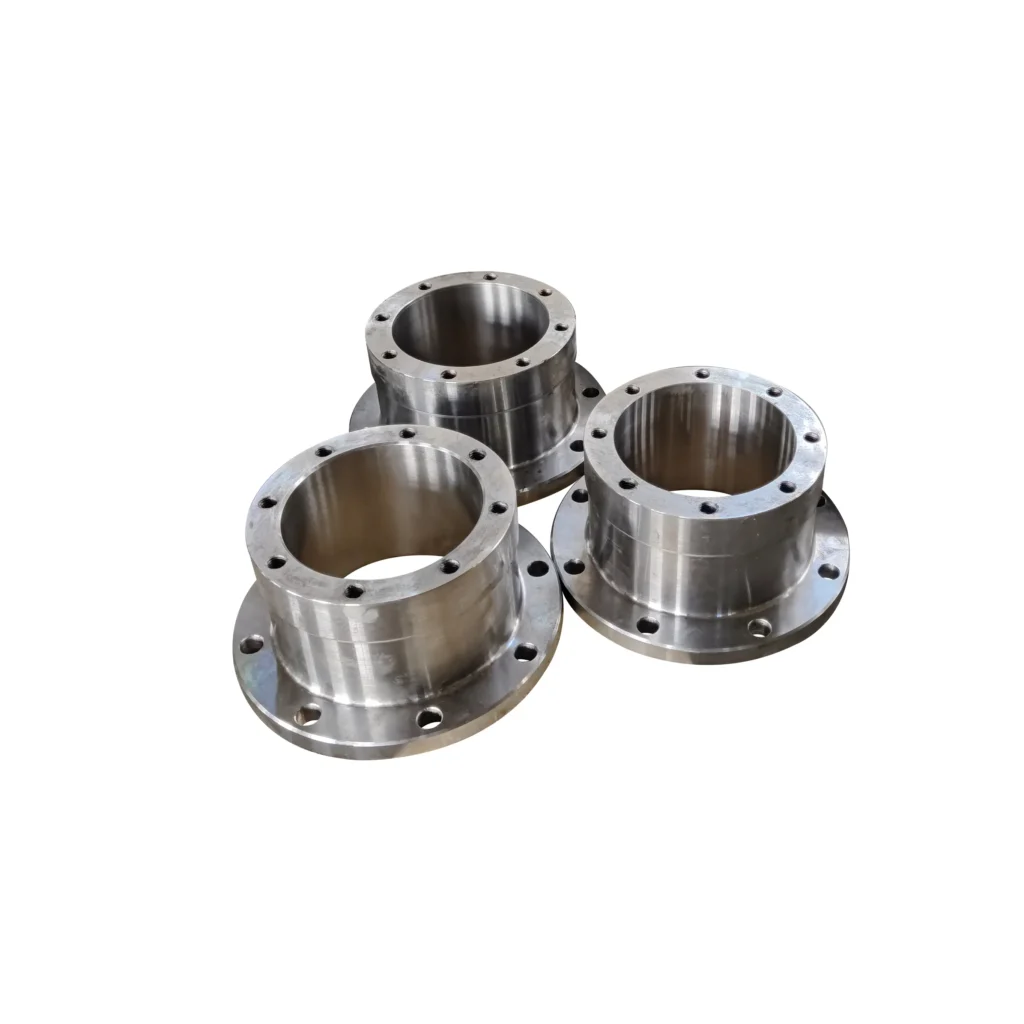
| Manufacturing Method | Sand Casting(Resin Sand, Pre-Coated Sand, Clay Sand, Water glass sand, Green Sand,lost foam ) |
| Material Standard | GB, ANSI, BS, DIN, JIS, ASTM, ASME, AISI, etc carbon steel, low carbon steel, middle carbon steel, G35, G45, WCB, WCA, WCC, ISO 340-550, etc. Alloy Carbon steel: G25CrMo4, Heat Resistant Steel, etc. Stainless Steel: SUS 304, 304L, 316, 316L, CF8, CF8M, G-X7CrNiNb1189, etc. AS2074 or according to customer specific requirement. Ductile Iron:A536-Gr.60-40-18,GGG40,GGG50,FCD40,FCD50,Gr370-17,Gr420-12,etc Grey Iron:A48-No.20,25,30,GG10,GG15,GG20,FC10,FC15,FC20,Grade 150,180,220,FGL150,FGL200,FGL250,etc |
| Weight Range | 1 kg to 100 Tons |
| General Casting Tolerance | CT8-CT12 |
| Design Software | UG, Pro-E, Inventor |
| Dwg Format | STP, STEP, IGS,STP,X_T ,DXF,DWG , Pro/E, PDF, SLDPRT |
| Mould Manufacturing | Yes |
| Casting Stimulation | Yes |
| Ultimate machining tolerance | 0.005mm |
| Quality Control | RT,UT,MT,PT,CMM,SCAN,Chemical and Mechanical Property Testing,Spectrometer,etc |
| Finish Roughness | Ra12.5-Ra25 according to customer requirement |
| Logo/ID | Silk-screening, Laser Marking, Engrave,Painting |
| Heat Treatment | Normalization, Annealing, Quenching and Tempering, Case Hardening, Nitriding, Carbon Nitriding, Induction Quenching,etc |
| Surface Treatment | Shot/sand blast, Polishing, Surface Passivation, Painting , Anodizing,Powder coating, ED- Coating, Chrome Plating, zinc-plate, Dacromat coating, Finish Painting,hot-dip galvanizing, etc |

