
Spheroidal Graphite GGG 40 Castings & Parts
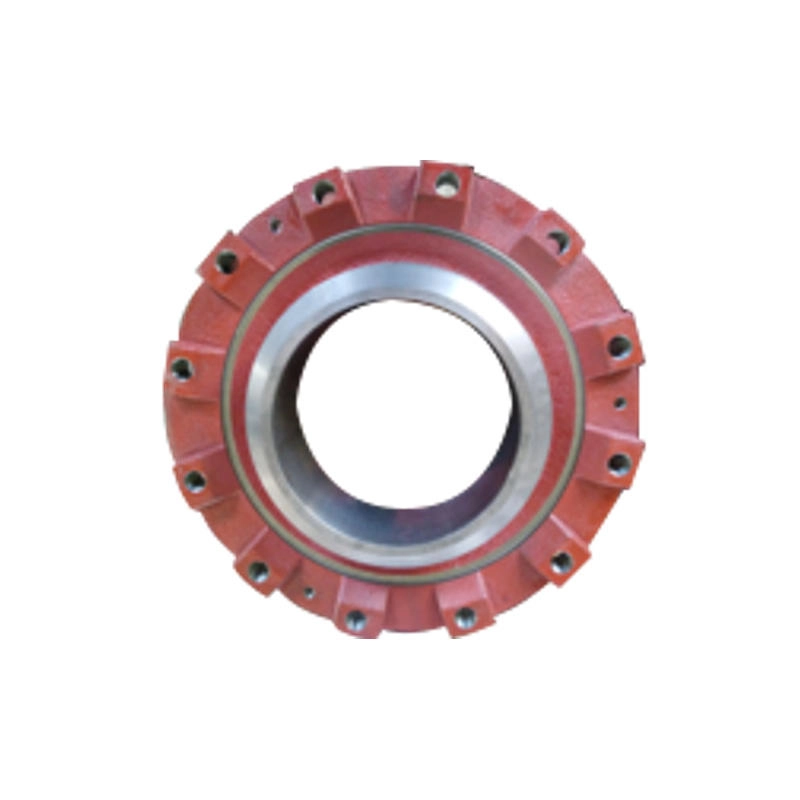
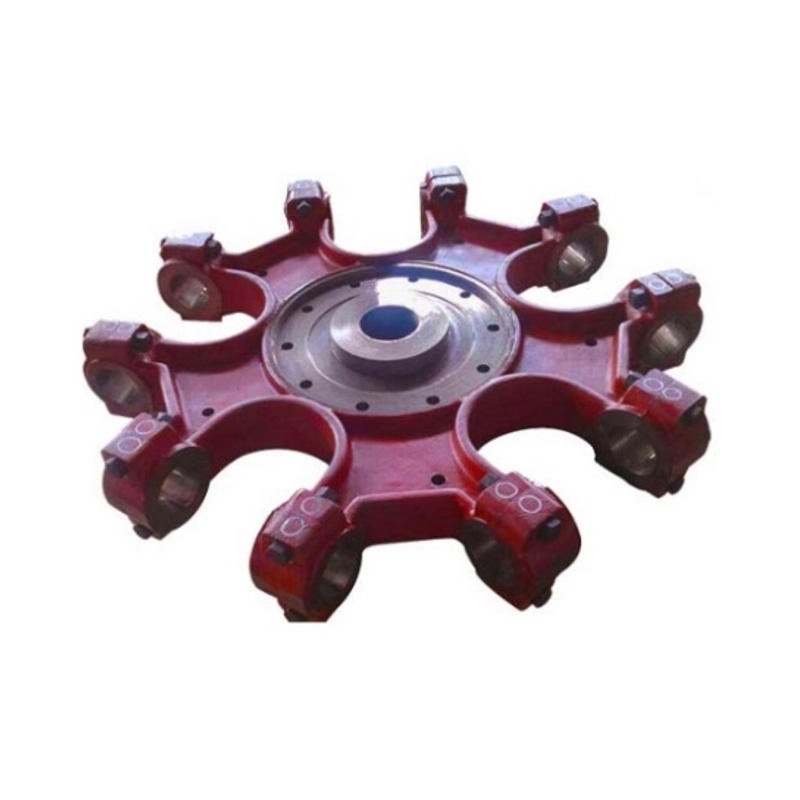
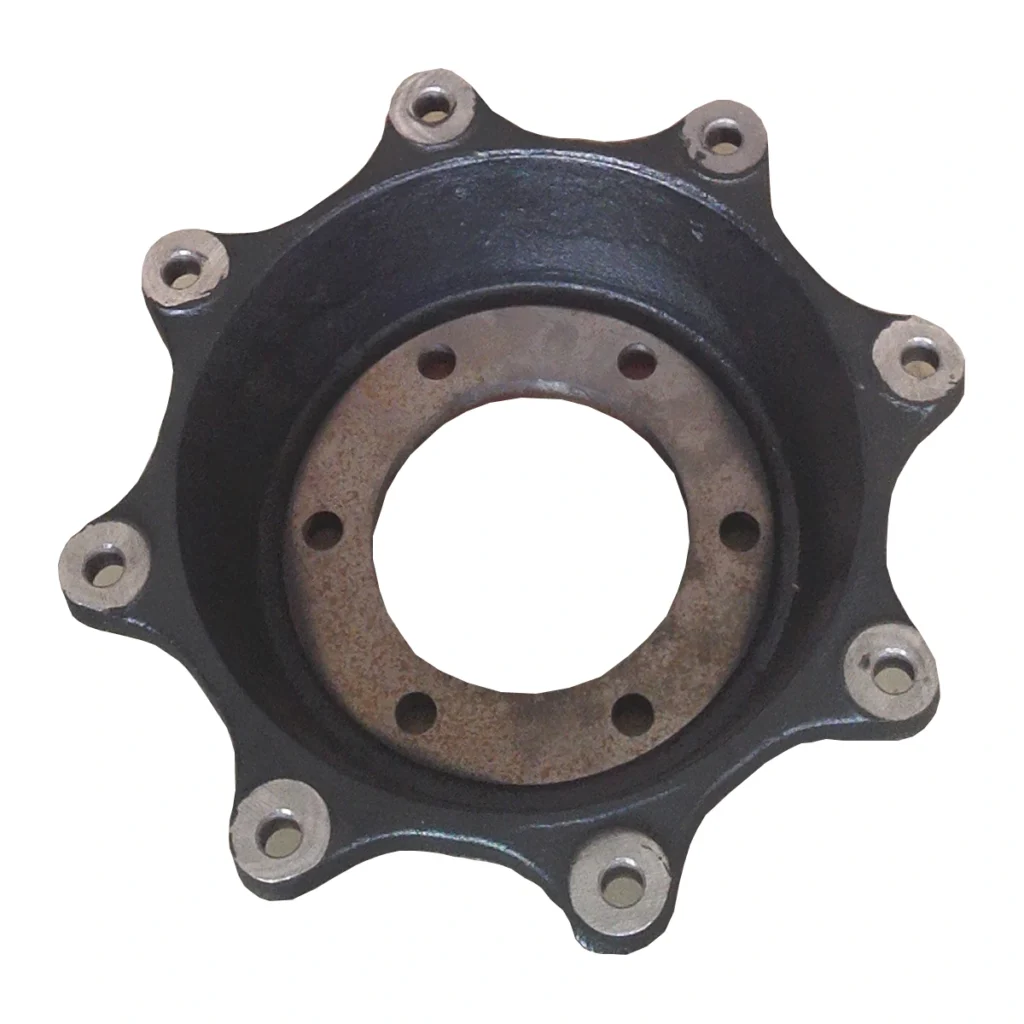
Spheroidal Graphite GGG 40, also known as GGG 40 ductile iron or EN-GJS-400-15 casting under the former DIN 1693, is a fully ferritic nodular iron with excellent ductility and machinability. Leesh Holdings supplies OEM GGG 40 castings to ISO-certified quality standards.
Spheroidal Graphite GGG 40 Material Properties
GGG 40 delivers tensile strength ≥ 400 MPa with minimum 15% elongation and Brinell hardness of 135–180 HB. The fully ferritic matrix ensures consistent GGG 40 material properties for low-temperature impact service. When evaluating GGG 40 vs GGG 60, GGG 40 wins on ductility, vibration damping, and machinability — ideal where toughness matters more than peak tensile strength.
Spheroidal Graphite GGG 40 OEM Applications
Custom EN-GJS-400-15 castings for GGG 40 farm machinery parts — harrow discs, plow brackets, gearbox housings, pump bodies, and hydraulic valve blocks. DIN 1693 GGG 40 grade also serves wind turbine components, pipe fittings, and manhole covers.
Custom Spheroidal Graphite GGG 40 Casting & Machining
Sand casting and shell molding. Precision CNC machining, shot blasting, anti-rust coating. Contact us for a free quote within 24 hours.
Sand Casting Services
Professional Casting Component Supplier for Spheroidal Graphite GGG 40 Castings
Sand Casting Services is a core manufacturing foundry of Leesh facilities.
We deliver high-quality sand casting solutions for industrial applications. With advanced molding lines, automated pouring systems, and comprehensive quality control equipment to ensure every casting meets the highest standards. From small prototypes to large-scale production runs, we provide end-to-end casting solutions tailored to your specific requirements.
For more details, please visit Sand Casting Services introduction.

Core Capabilities
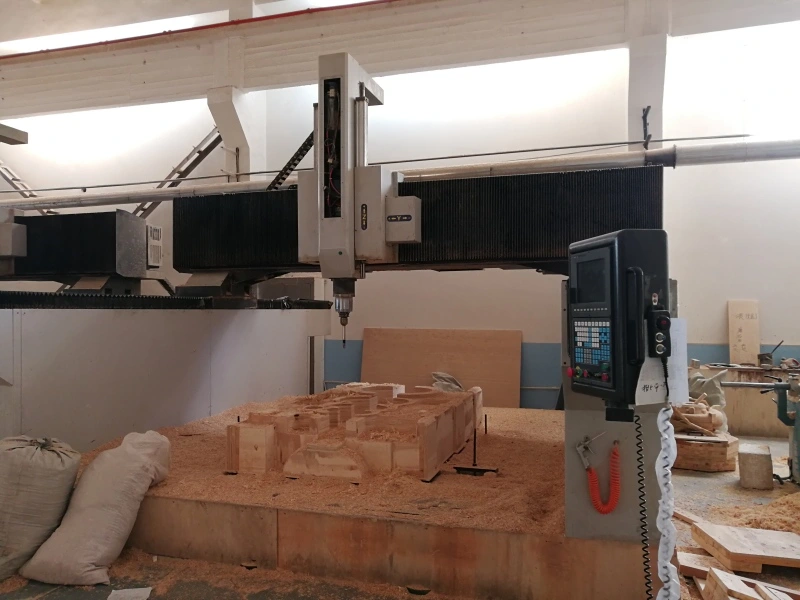
Advanced Molding Technology
Using state-of-the-art processing technology and gating system design to prepare the first step for subsequent pouring and perfect castings.
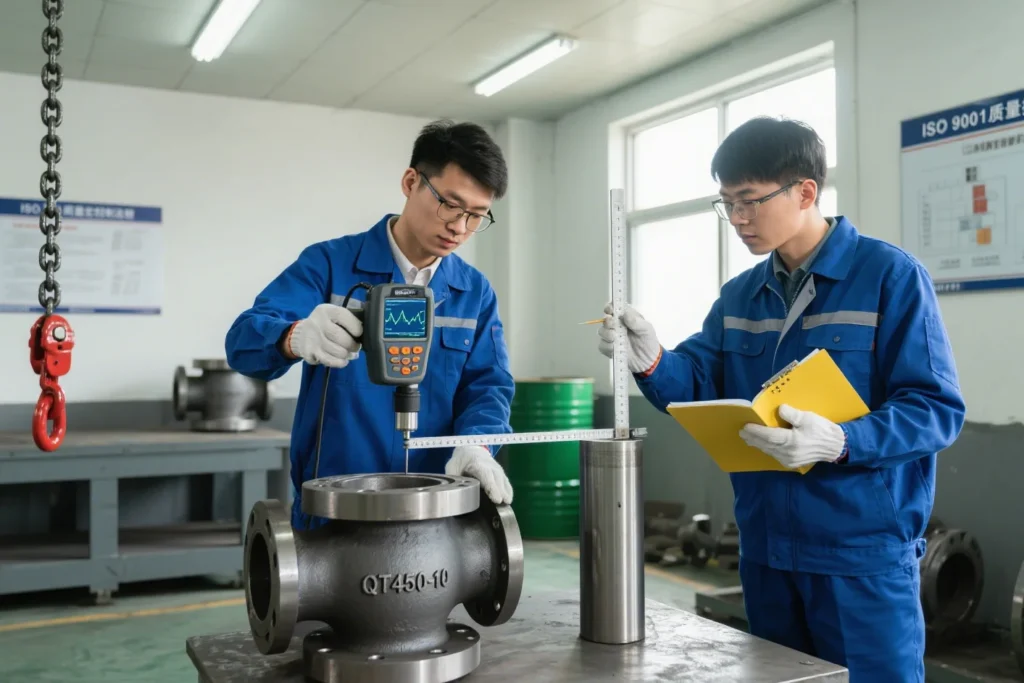
Stringent Quality Assurance
Comprehensive testing including RT, UT, MT, PT inspections, CMM measurement, and material analysis for consistent quality.
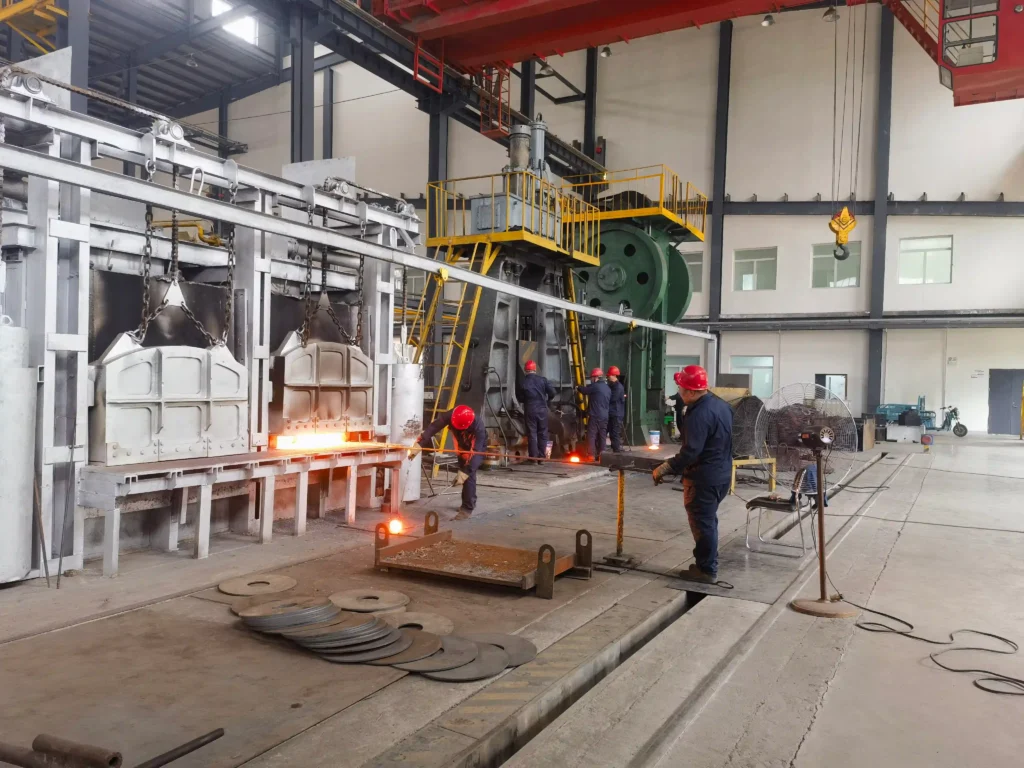
In-House Heat Treatment
Complete heat treatment services including normalization, quenching, tempering, nitriding, and case hardening.
Technical Specifications
Weight Range1 kg to 100 TonsCasting ToleranceCT8-CT12Machining Tolerance0.005mmDesign SoftwareUG, Pro-E, InventorDrawing FormatsSTP, STEP, IGS, X_T, DXF, DWG, Pro/E, PDF, SLDPARTQuality ControlRT, UT, MT, PT, CMM, 3D Scanning, Chemical Analysis, Mechanical Property Testing, Spectrometer Analysis
Frequently Asked Questions
Sand Casting Services – FAQ
1. What casting processes does Leesh offer?
We provide a full range of sand casting solutions including Green Sand Casting (also known as Wet Sand or Clay Sand Casting), Resin Sand Casting, Shell Molding Casting, and Lost Foam Casting. Our flexible manufacturing capabilities allow us to select the optimal process based on your part’s complexity, volume, and performance requirements.
2. What materials can you cast?
We specialize in high-quality cast iron and cast steel components, with extensive experience working with materials that meet all major international standards (Chinese, American, European, Japanese, and Australian). Our material portfolio includes carbon steels, alloy steels, stainless steels, ductile irons, and grey irons.
We also welcome custom material formulations. Our experienced engineering team will work closely with you to develop and validate material properties that precisely match your application needs.
3. What payment terms do you accept?
We operate on a advance payment + balance before shipment model. This structure supports our low-cost, high-quality business strategy, allowing us to pass maximum value to our global customers rather than pursuing excessive profit margins. For customized payment arrangements or large-volume orders, please contact our sales team to discuss flexible options.
4. What is the general lead time for regular parts?
Our standard production timelines are:
- Mold manufacturing: 2-3 weeks
- Sample production: 2 weeks
- Mass production: 3-4 weeks (varies based on part complexity)
Lead times may be adjusted for highly complex components or those requiring extensive post-casting processing. For accurate, project-specific lead times, please submit your drawings to our sales team for a detailed quotation.
5. What trade terms do you use?
We accommodate all Incoterms® 2020 terms, from EXW (Ex Works) to DDP (Delivered Duty Paid). Our dedicated in-house logistics team manages end-to-end shipping coordination, ensuring your parts arrive safely, on time, and with minimal hassle regardless of your location.
6. Is there any minimum order quantity (MOQ)?
- Standard casting materials: No MOQ requirement – we accept orders for single prototypes up to large-scale production runs
- Special/custom materials: We recommend initial testing with our standard materials to verify dimensions and assembly fit. If material property testing is required, the MOQ is 80% of our smallest melting furnace capacity to ensure proper metallurgical consistency.
7. How do you guarantee your quality?
We maintain strict adherence to ISO 9001 quality management standards throughout our entire production process. Our comprehensive quality control system includes:
- Raw material certificate verification and incoming inspection
- Real-time in-furnace chemical analysis during melting
- Post-casting material spectrum analysis
- Full mechanical property testing (tensile, hardness, impact)
- Dimensional inspection using CMM and 3D scanning
- Non-destructive testing (RT, UT, MT, PT) as required
For every project, our QA team develops a customized inspection SOP tailored to your part’s specific critical dimensions and performance requirements, ensuring consistent quality from the first sample to the final shipment.
