
3D Print Resin Sand Casting for Complex Castings
Advanced mold and core production for complex metal castings, helping reduce tooling requirements while providing flexible solutions for prototypes, low-volume production, and customized industrial components.
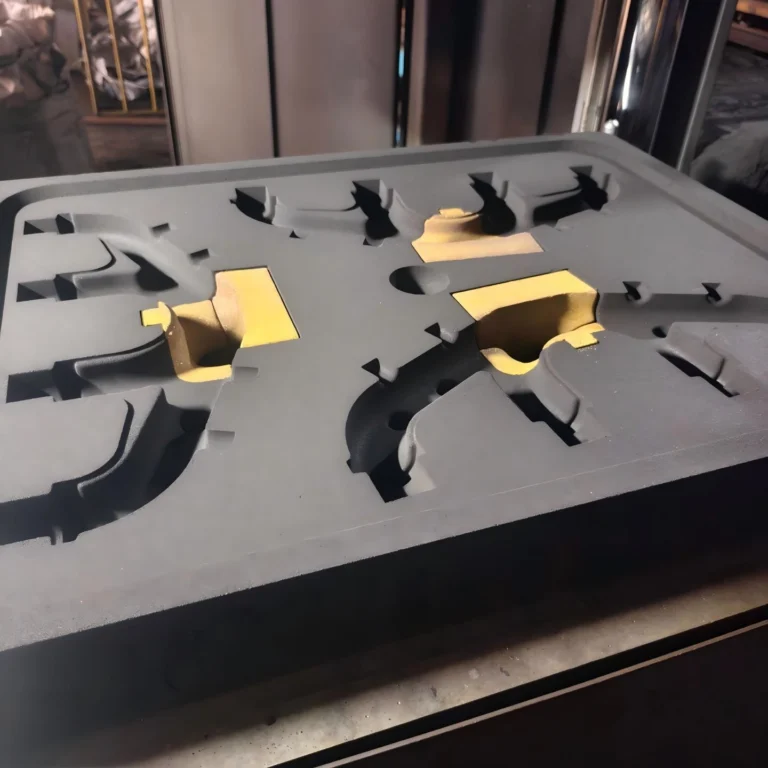
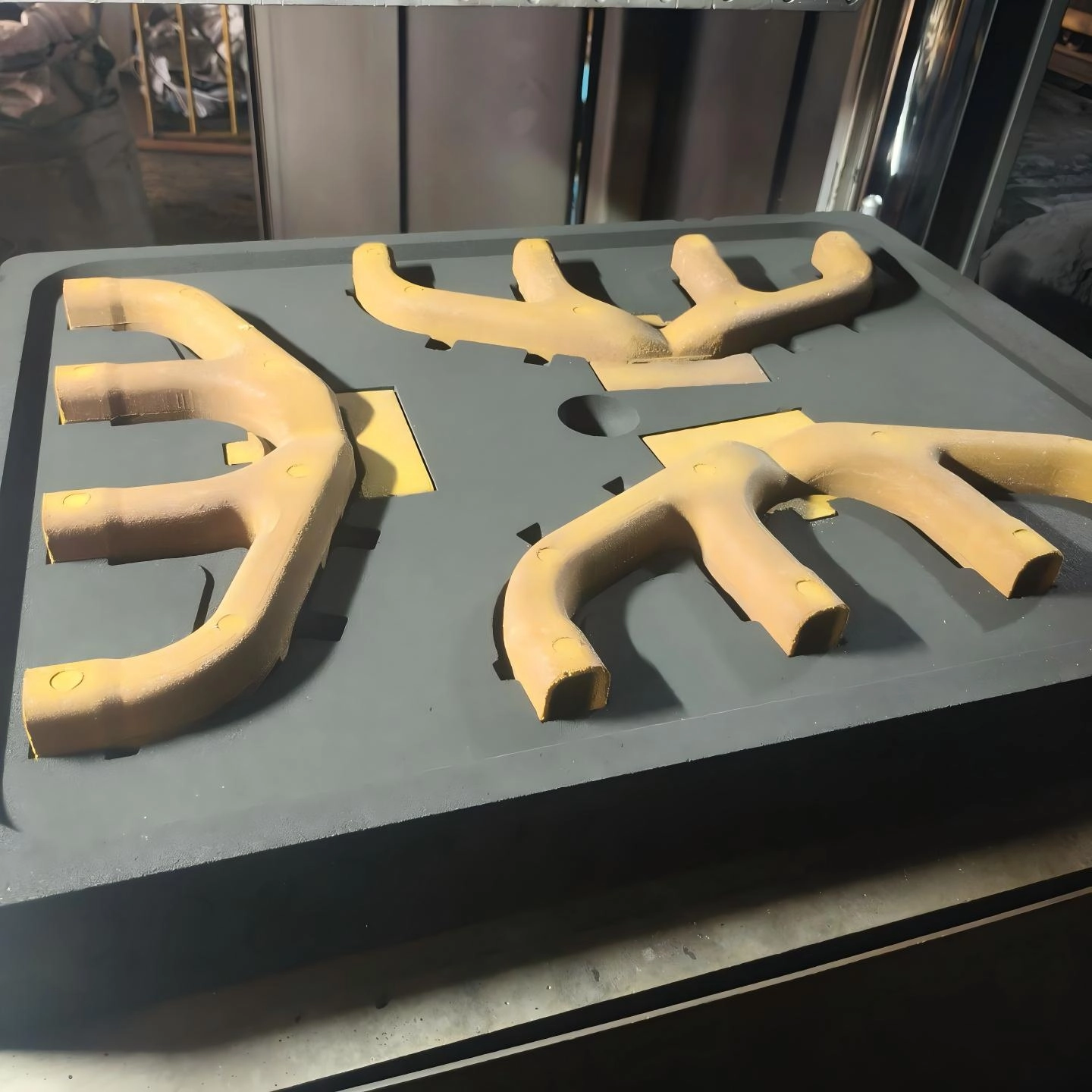
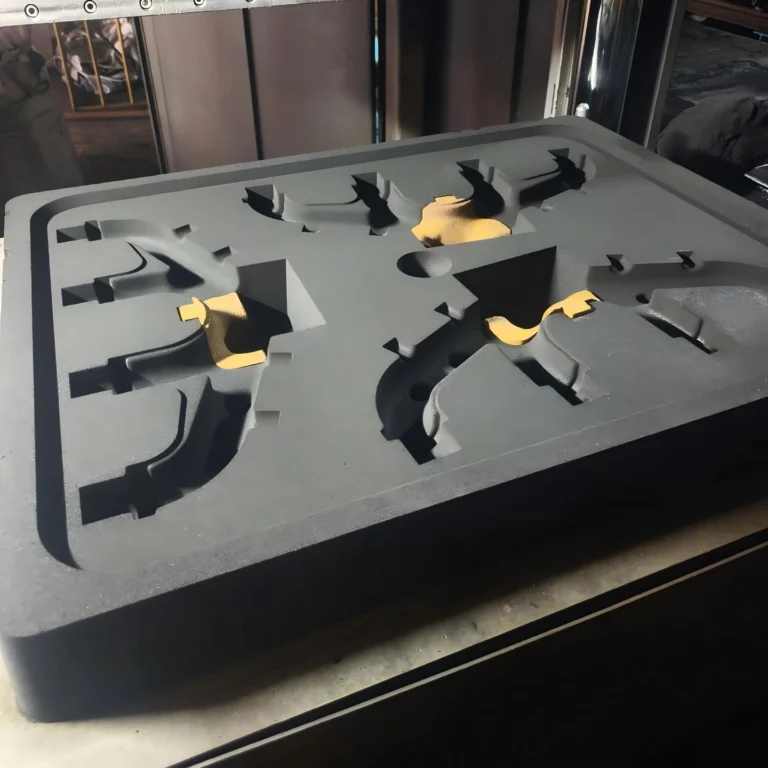
3D Print Resin Sand Casting is an efficient casting solution for manufacturers that need complex geometries, integrated features, and flexible production without investing in conventional permanent tooling. By using digitally designed patterns to produce resin-bonded sand molds and cores, Leesh Holdings can support customized metal castings with shorter preparation times and excellent design flexibility.
This technology is particularly suitable when traditional pattern making would require complicated tooling or when a casting design may change during development. A 3D Print Sand Mold can reproduce complex external shapes, while printed sand cores can create internal passages and cavities that are difficult to achieve with conventional methods.
The process can be applied to a wide range of industrial materials and component designs. From 3D printed sand mold casting to 3D printed sand core casting, the approach provides a practical bridge between digital engineering and finished metal castings.
Why Choose 3D Print Resin Sand Casting?
Suitable for complicated cavities, thin sections, curved surfaces, and integrated casting features.
Digital mold production can reduce or eliminate the need for conventional patterns in selected applications.
CAD-based production makes design modifications easier during prototype development and engineering validation.
Particularly useful for prototypes, development projects, replacement parts, and low-to-medium volume casting programs.
3D Print Sand Mold Casting Capabilities
A digitally produced sand mold allows engineers to translate a 3D CAD model into a casting-ready mold with fewer conventional tooling constraints. The method is useful for parts with irregular profiles, complex parting requirements, and geometries that would otherwise require multiple pattern components.
3D Printing Resin Sand Casting also provides flexibility for development programs where the geometry may be revised several times. Instead of producing a new permanent pattern for every design iteration, the mold or core geometry can be updated digitally before the next production cycle.
Typical Material Options
| Material | Typical Application |
|---|---|
| Carbon Steel | Industrial structural parts, machinery components, housings and engineering castings. |
| Stainless Steel | Corrosion-resistant components, process equipment and demanding industrial applications. |
| Ductile Iron | Housings, machine components, pump bodies and other engineering castings. |
| Alloy Steel | Wear-resistant and high-strength components requiring enhanced mechanical performance. |
Production Process
| Step | Process | Description |
|---|---|---|
| 01 | 3D CAD Review | Review the customer’s drawing or 3D model and evaluate casting geometry, shrinkage, cores and machining requirements. |
| 02 | Digital Mold Preparation | Prepare the digital mold and core geometry based on the final casting design. |
| 03 | Sand Mold & Core Printing | Produce the required sand mold and core geometry using additive manufacturing technology. |
| 04 | Metal Pouring | Pour the specified molten metal into the prepared mold under controlled foundry conditions. |
| 05 | Finishing & Inspection | Remove sand, clean the casting, perform required inspection and complete machining or finishing when specified. |
Applications
| Industry | Typical Components |
|---|---|
| Industrial Machinery | Machine housings, brackets, frames, covers and complex structural components. |
| Pumps & Valves | Pump bodies, valve bodies, impellers and components with internal flow passages. |
| Energy Equipment | Complex components for power generation and energy-related machinery. |
| Engineering Development | Prototype castings, replacement components and low-volume customized parts. |
Product Parameters
| Parameter | Specification |
|---|---|
| Casting Process | 3D printed resin sand mold and core casting |
| Materials | Customer requirements |
| Design Input | 3D CAD model, 2D drawing or customer sample |
| Mold Type | 3D printed sand mold |
| Core Type | 3D printed sand core |
| Finishing | Cleaning, fettling, machining and other finishing according to requirements |
| Quality Inspection | Dimensional, visual, material and additional testing according to customer specifications |
Quality and Customization
Every casting project can be developed according to the customer’s drawings, 3D models, material specifications, dimensional requirements, machining allowances and inspection standards. The digital nature of this process makes it particularly valuable for complex parts where design flexibility is important.
Leesh Holdings can also combine sand casting, machining, finishing and inspection services to provide a more complete supply solution. Customers can submit their drawings or 3D models for technical review before production.
Request a Custom Casting Quote
Send your drawings, 3D models, material requirements and estimated quantity to our engineering team.
Product Gallery
Frequently Asked Questions
What is 3D Print Resin Sand Casting?
It is a casting method that uses digitally manufactured resin-bonded sand molds or cores to produce metal castings, especially complex or customized components.
What information is required for a quotation?
Customers can provide a 3D CAD model, 2D drawing or sample, together with material, quantity, machining, inspection and surface requirements.
Can carbon steel be produced using this process?
Yes. Carbon steel 3D print sand casting can be used for many complex industrial components, subject to the specific alloy, geometry and production requirements.
Is this process suitable for prototypes?
Yes. The digital mold approach is well suited to prototypes and development projects because design changes can be implemented without repeatedly manufacturing conventional permanent patterns.
Can machining be included after casting?
Yes. Machining and other finishing operations can be arranged according to the customer’s drawings, tolerances and final application requirements.
