
1.4462 Investment Casting – Duplex 2205 Precision Castings for Corrosive Service
1.4462 Investment Casting is a lost-wax precision process for duplex stainless steel 2205 (X2CrNiMoN22-5-3) components, held to ISO 8062 CT4–CT6 tolerance with a controlled 40–60% austenite–ferrite balance. It is the right choice for buyers who need near-net-shape, chloride-resistant impellers, valve bodies and flanges in the 0.1–30 kg range without heavy machining. Leesh Holdings melts every heat under vacuum, solution-treats at 1050–1100 °C and ships with full heat-number traceability.
Technical Specifications
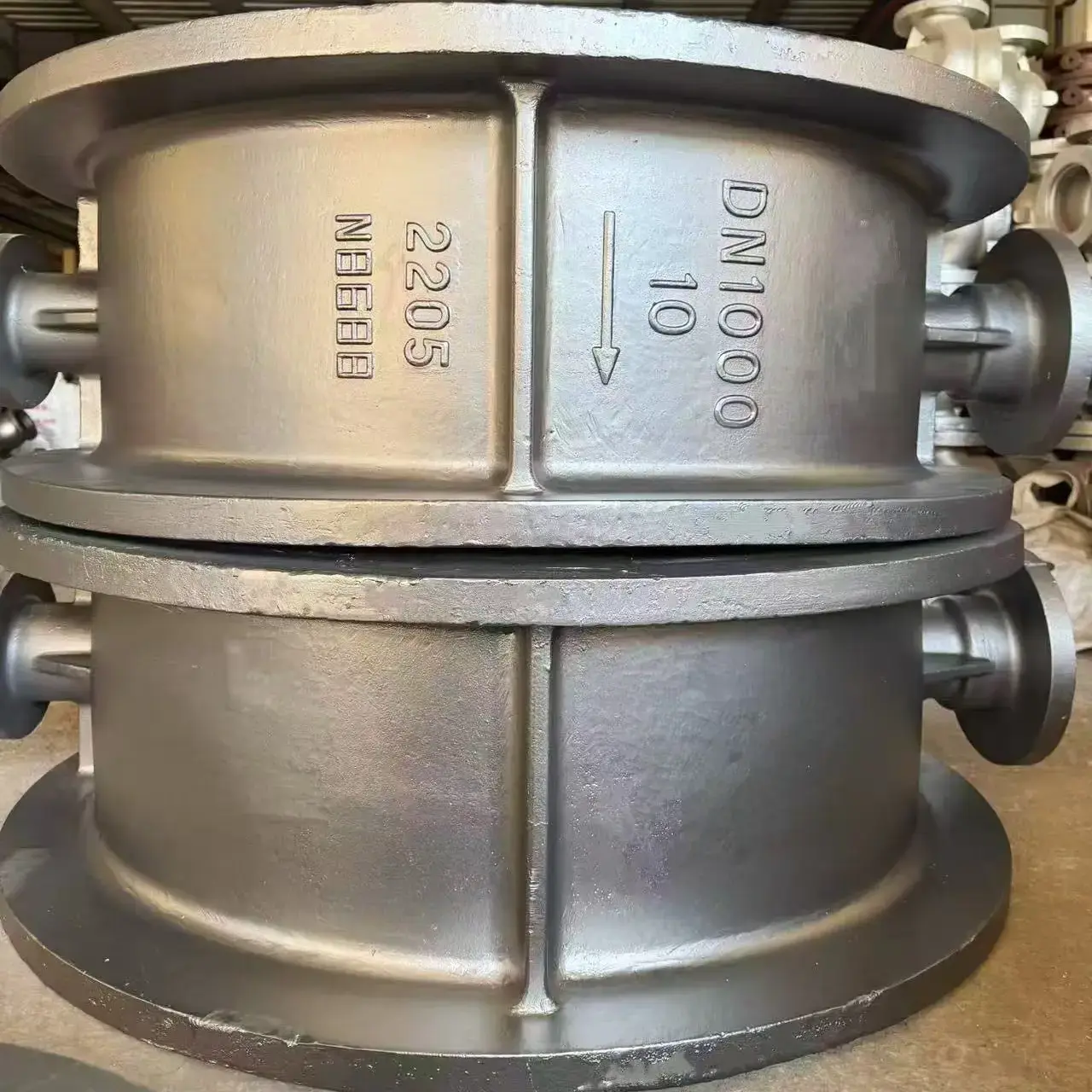
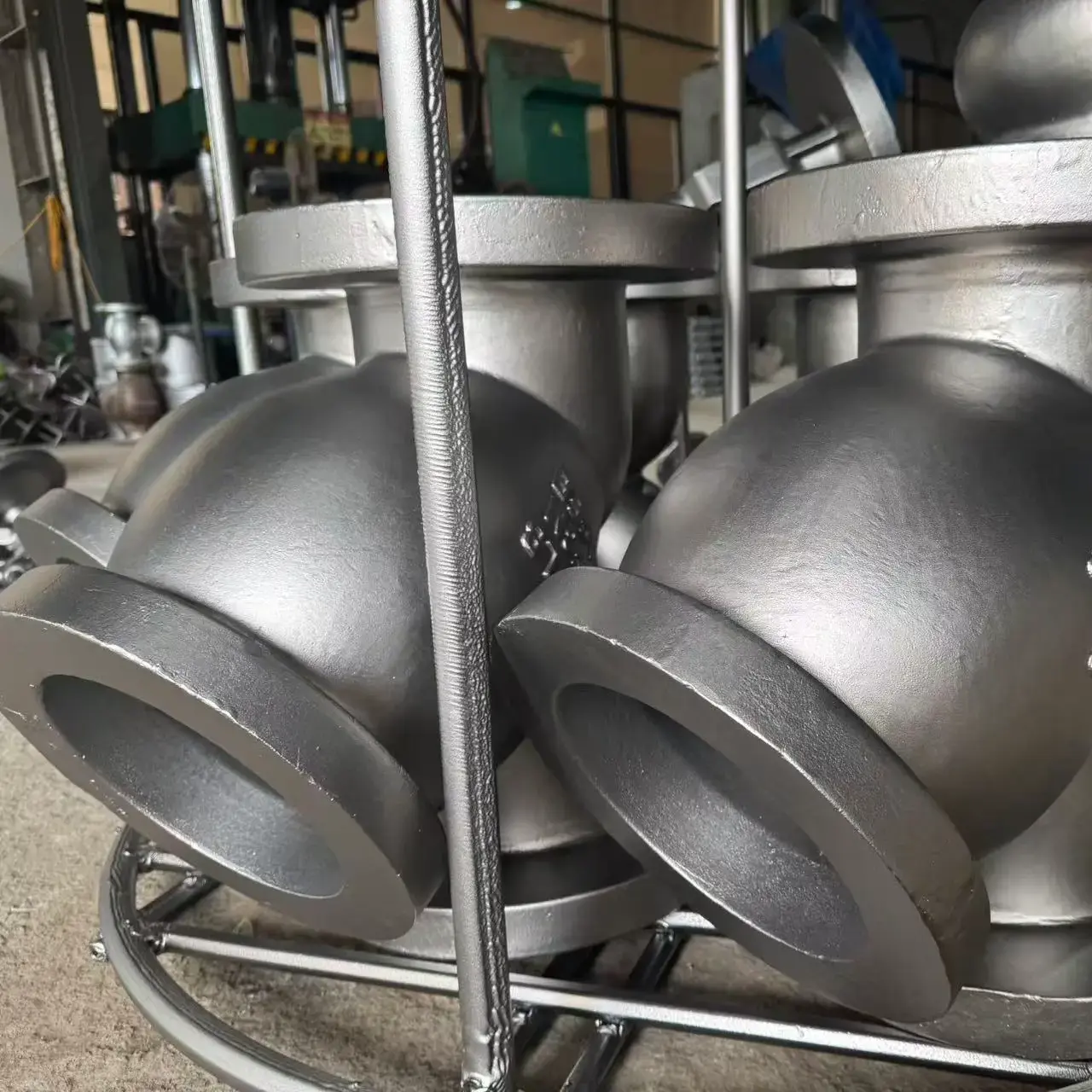
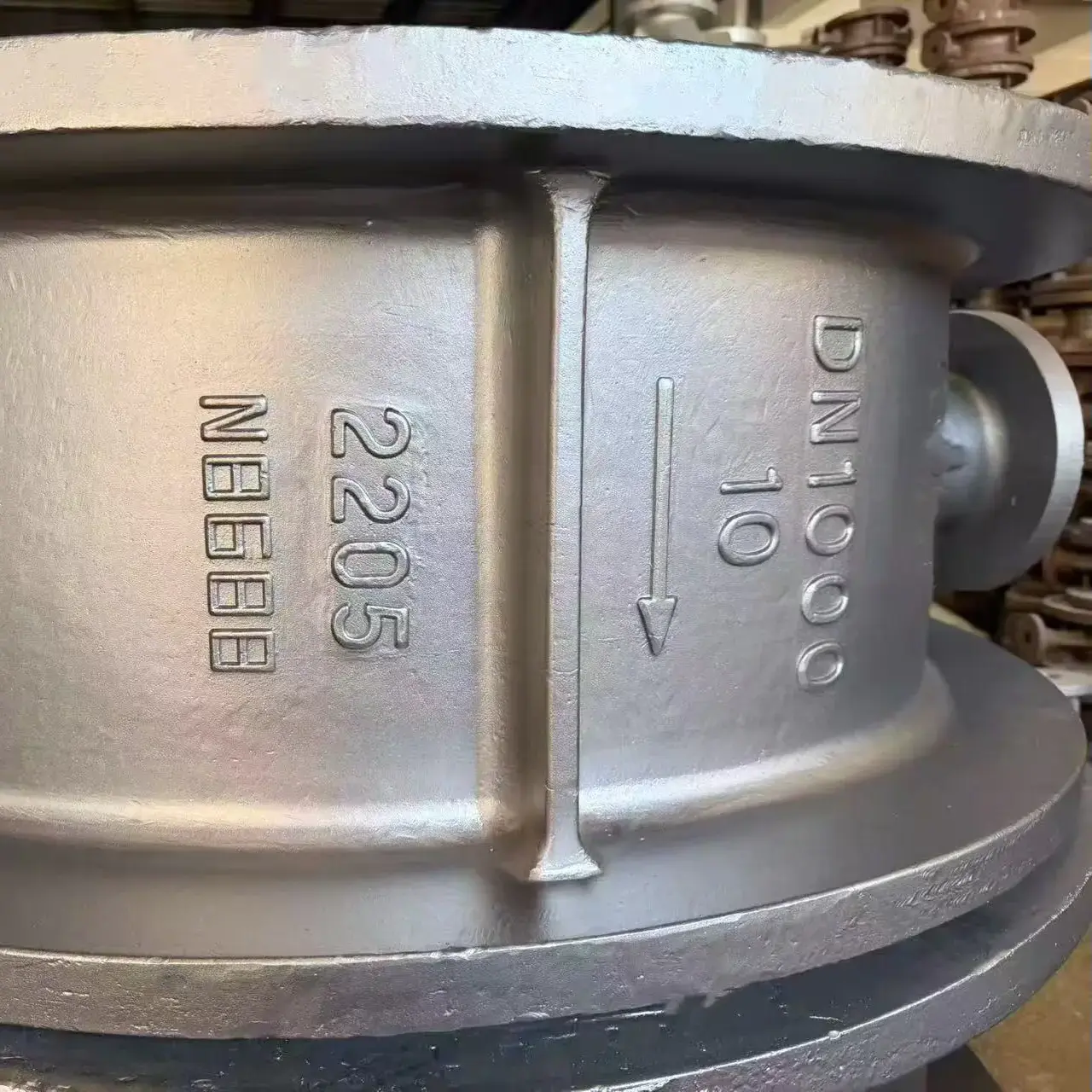
1.4462 investment castings are supplied at ≥450 MPa proof strength, ≥620 MPa tensile strength and 250–300 HB hardness, in pieces from 0.1 to 30 kg at ISO 8062 CT4–CT6 as-cast tolerance. The figures below are this grade’s real production window — not a generic catalogue range — and critical values are agreed before the casting drawing is released.
400 mmPitting resistancePREN ≥35 (ASTM G48 Method A)Duplicate 316L in chloride serviceHeat treatmentSolution anneal 1050–1100 °C + water quench <30 sSlow cooling risks sigma phase
| Parameter | Specification | Note |
|---|---|---|
| Material grade | 1.4462 (EN 10088) / duplex 2205 / UNS S31803–S32205 / X2CrNiMoN22-5-3 | Cast equivalent CD3MN per ASTM A351 |
| Chemistry | Cr 21–23%, Ni 4.5–6.5%, Mo 2.5–3.5%, N 0.14–0.20% | Nitrogen stabilises the austenite fraction |
| Phase balance | 40–60% ferrite / austenite, target 50/50 | Verified by metallography each heat |
| Proof strength 0.2% | ≥450 MPa (approx. | |
| 2× grade 304) | Tensile coupon ASTM A370 | |
| Hardness | 250–300 HB / 22–30 HRC | Solution-treated condition |
| As-cast tolerance | ISO 8062 CT4–CT6; critical features ±0.10 mm | Machined features ±0.05 mm |
| Surface finish | Ra 3.2–6.3 µm as-cast; Ra 1.6 machined | Glass-bead blast as standard |
| Min. wall thickness | 1.5 mm (1.0 mm by agreement) | Gating simulated before wax die |
| Weight range | 0.1–30 kg per piece; typical 0.5–12 kg | Envelope up to approx. |
Investment Casting Process
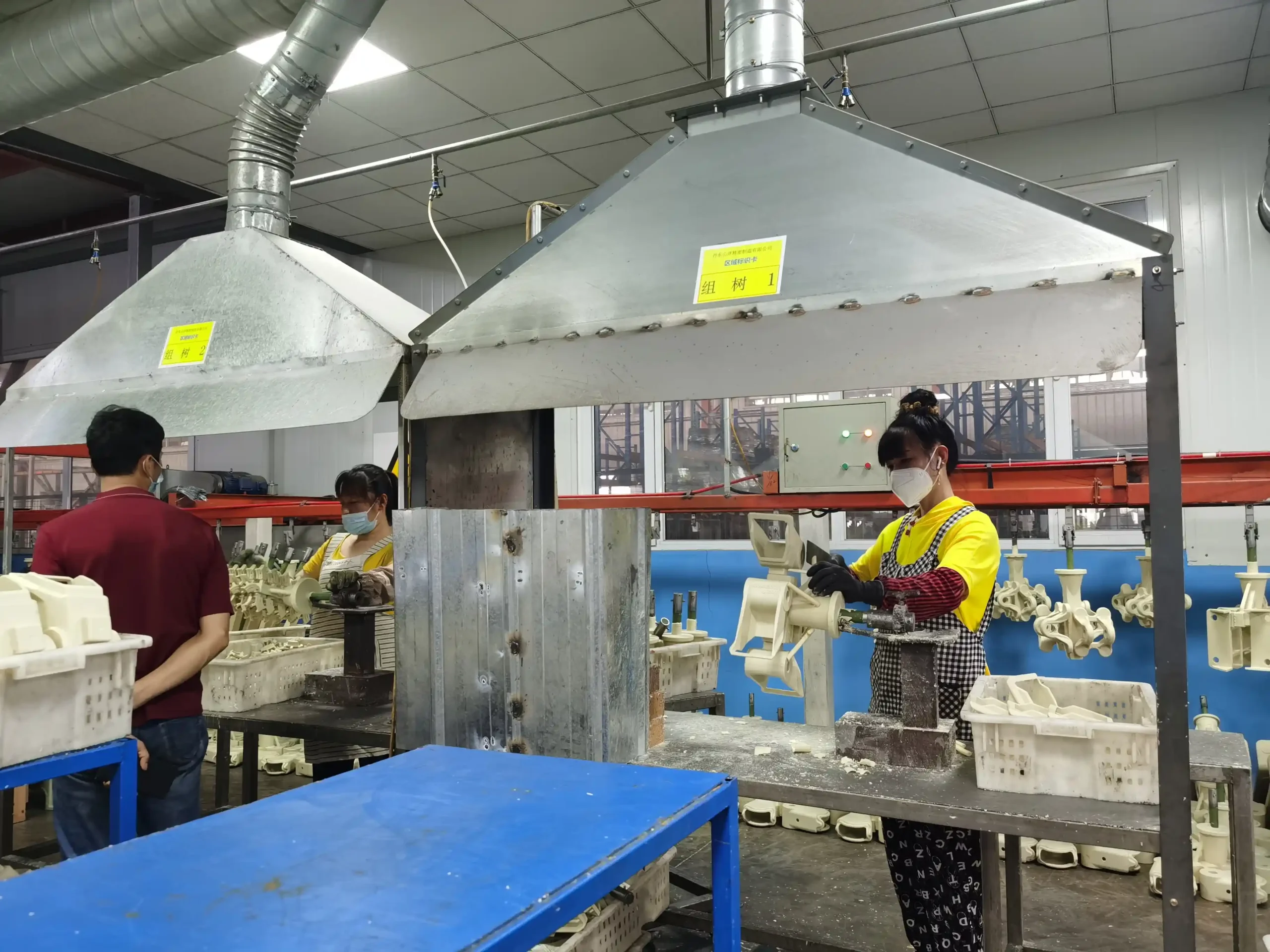
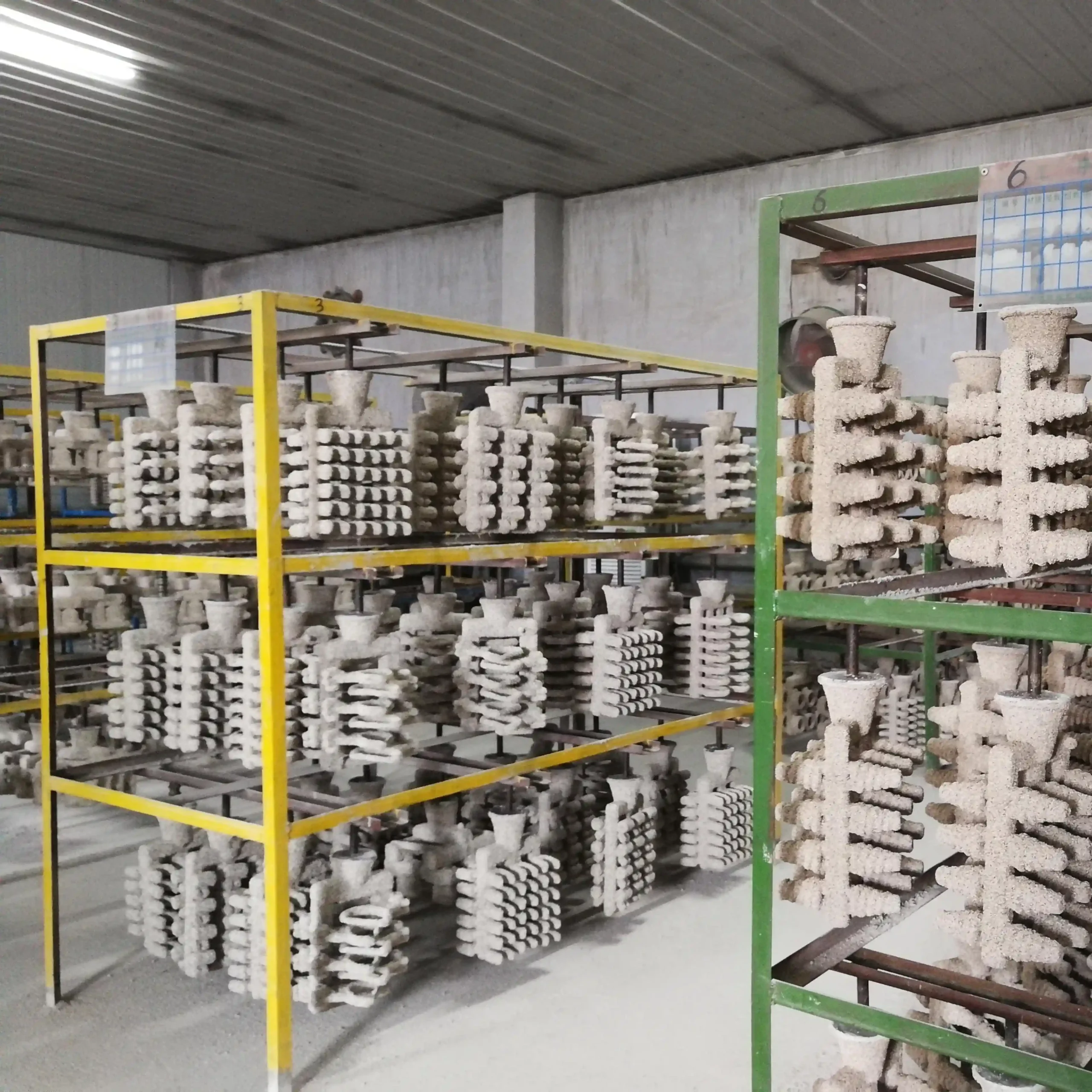
Every 1.4462 casting passes through wax injection, a multi-layer ceramic shell, steam dewaxing, vacuum induction melting and a mandatory 1050–1100 °C solution quench to lock the duplex phase ratio. We control the chain in-house so that quenching and tempering behaviour — in duplex steel, solution treatment and rapid cooling — stays repeatable from the first piece to the hundredth.
| Step | Process | Control point |
|---|---|---|
| 01 | Wax pattern injection at 55–60 °C into aluminium dies | Die temperature ±2 °C |
| 02 | Wax tree assembly; patterns welded to central sprue | Gating simulated for directional solidification |
| 03 | Ceramic shell: 6–8 alternating coats of colloidal-silica slurry and refractory sand | Shell thickness 6–9 mm |
| 04 | Steam autoclave dewaxing at 150–160 °C, 6–8 bar | Zero shell cracking |
| 05 | Shell firing 850–1000 °C for 2–4 h | Residual wax fully removed |
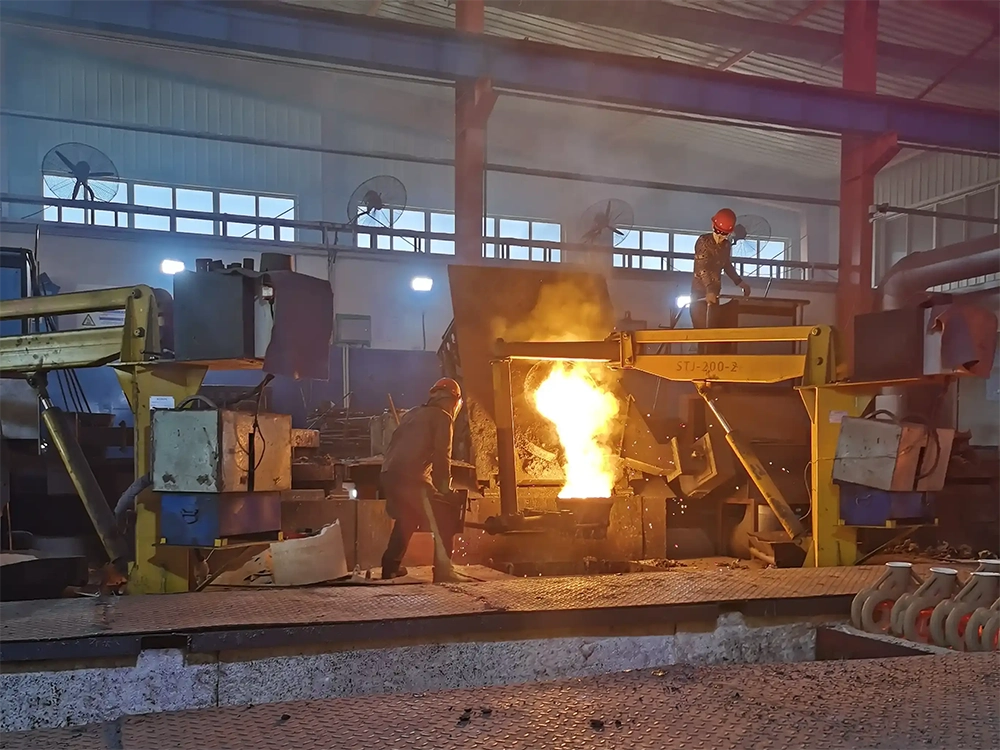
| 06 | Vacuum induction melting and pouring at 1500–1560 °C | OES chemistry signed off before pour |
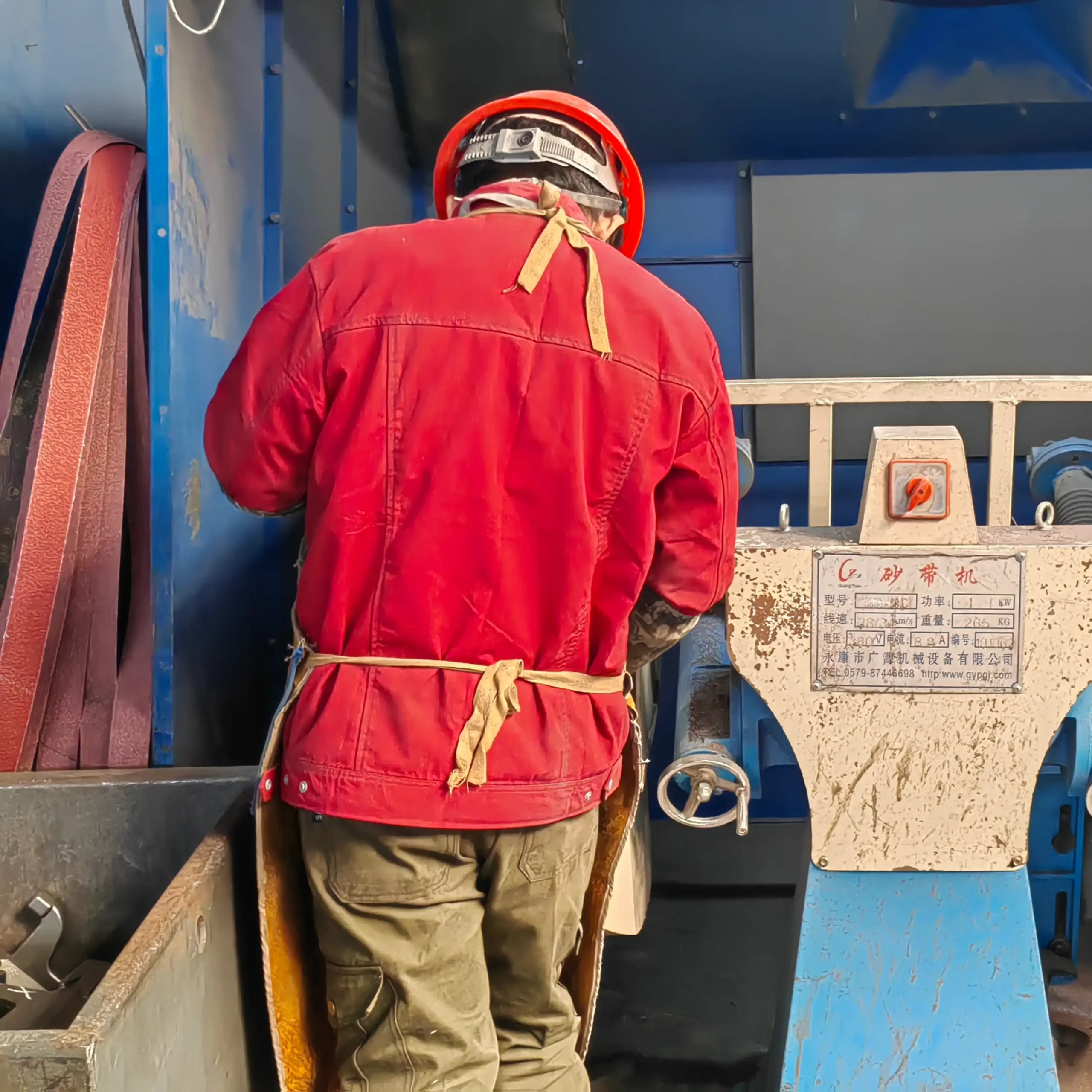
| 07 | Knockout, shell removal and gate cut-off by band saw / EDM | Heat number stamped on every tree |
| 08 | Solution anneal 1050–1100 °C, water quench within 30 s | Ferrite 40–60% confirmed on coupon |
| 09 | CNC machining of sealing faces, threads and bearing seats | ISO 2768-mK; critical ±0.05 mm |
| 10 | PMI, metallography, RT/PT, ASTM G48 and CMM inspection | Full report with every shipment |
Applications
Duplex 2205 investment castings are specified for chloride-bearing service — seawater pumps, valve bodies, impellers and flanges — where PREN ≥35 resists pitting and stress-corrosion cracking that would fail 316L. Target hardness and inspection level are agreed at quotation stage rather than applied as one blanket specification.
| Industry | Typical parts | Service condition |
|---|---|---|
| Seawater treatment | 1.4462 investment casting impeller, pump casing, diffuser | Chloride pitting, PREN ≥35 |
| Oil & gas | 1.4462 investment casting valve body, gate seat, choke | Sour service, 150–300 bar |
| Chemical processing | Duplex 2205 investment casting flange, reactor nozzle, agitator | Acid plus chloride media |
| Desalination | Pump wear ring, bush, brine valve trim | 40–90 °C brine, high chlorides |
| Pulp & paper | Digester valve, pulp pump impeller | Chlorine dioxide bleaching |
| Marine hardware | Shaft bracket, propeller fitting, deck hardware | Galvanic corrosion in seawater |
Quality Control & Inspection
Each heat is verified by optical emission spectroscopy, 40–60% ferrite metallography, ASTM G48 pitting tests and RT/PT examination before any 1.4462 casting is released. Dimensional confirmation uses CMM on first article and sample batches, and a traceable report travels with every order.
Phase balance — ferrite/austenite measured on a coupon from each solution-treatment batch.
Mechanical — ASTM A370 tensile and Charpy V-notch impact at −40 °C.
Corrosion — ASTM G48 Method A critical pitting temperature check.
Internal soundness — RT or PT to ASTM E165 / E94 as agreed.
Dimensional — CMM first-article report, ISO 2768-mK on machined faces.
Leesh Holdings Investment Casting Capability
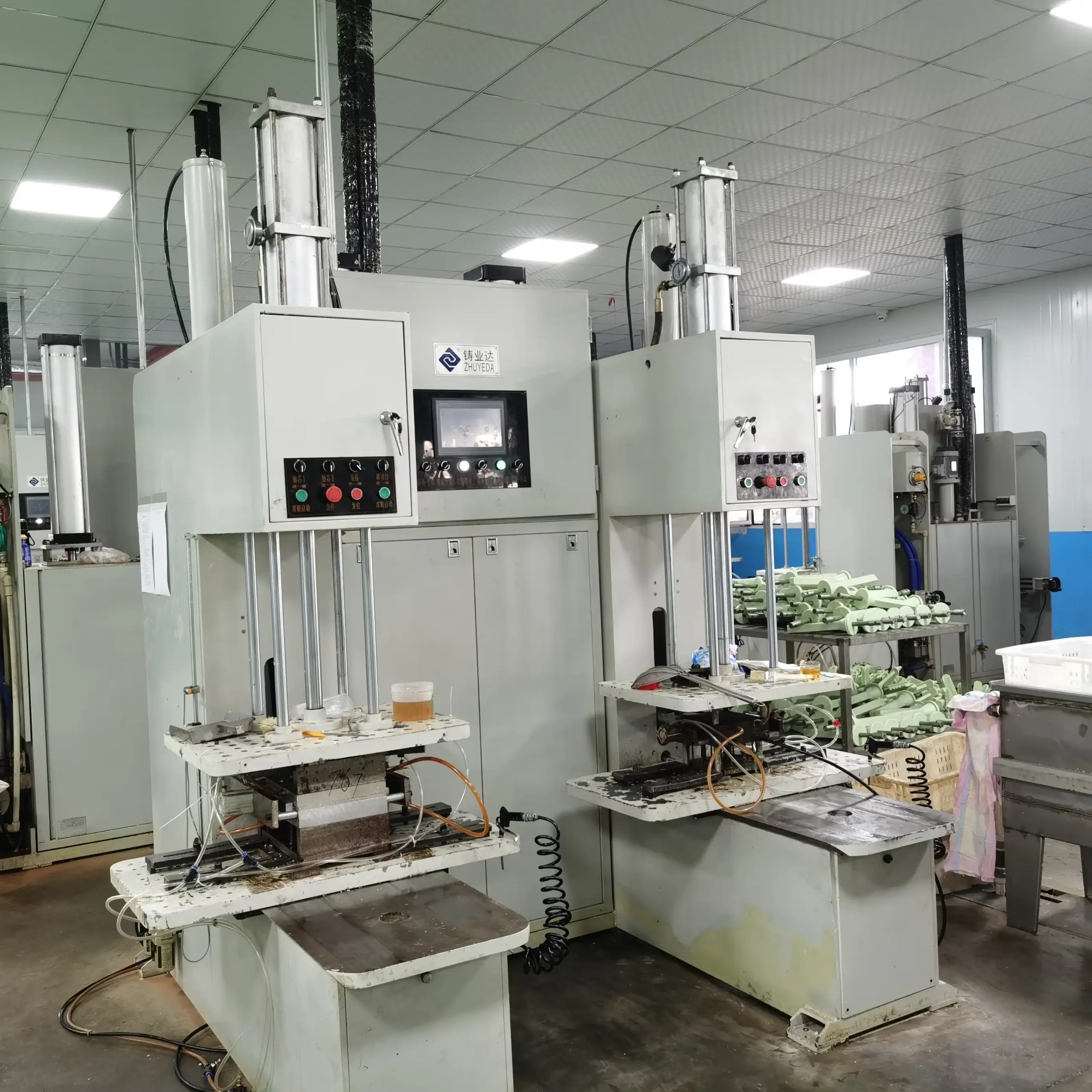
Leesh Holdings runs in-house wax injection, shell building, vacuum melting and solution treatment, supporting a 20-day lead time from drawing approval for 1.4462 investment castings. Our foundry floor handles both prototype wax dies and production tooling, with a monthly capacity of 18 tonnes across stainless and duplex grades. See our duplex stainless investment casting capabilities for the wider grade range.

Packaging & Logistics
1.4462 castings ship in sealed wooden crates with individual anti-corrosion wrapping and full heat-number traceability, typically 20 days after sample approval. Each part is tagged to its melt batch, and export documents include material certificate, heat-treatment record and inspection report.
Frequently Asked Questions
Buyers most often ask about 1.4462 equivalents, mandatory heat treatment, achievable tolerance, size limits and how the duplex phase balance is verified — the answers below are the ones our engineers give on every enquiry.
What is 1.4462 stainless steel equivalent to?
1.4462 is the EN 10088 designation for duplex stainless 2205, equivalent to UNS S31803/S32205, X2CrNiMoN22-5-3 and, in cast form, CD3MN per ASTM A351. The often-quoted F51 is actually the wrought forging grade ASTM A182 F51. For investment castings we supply the cast equivalent and confirm the exact grade on the material certificate.
Can 1.4462 investment castings be heat treated?
Yes — and solution treatment is mandatory. We solution-anneal every casting at 1050–1100 °C followed by rapid water quenching within 30 seconds. Slow cooling precipitates sigma phase and destroys corrosion resistance. The quench locks a 40–60% ferrite/austenite balance, which we confirm by metallography on a coupon from each heat.
What dimensional tolerance can investment casting hold on 1.4462 parts?
Standard as-cast tolerance is ISO 8062 CT4–CT6, with ±0.10 mm on critical features and Ra 3.2–6.3 µm surface finish; minimum wall thickness is 1.5 mm. Sealing faces, threads and bearing seats are CNC-machined afterwards to ISO 2768-mK or ±0.05 mm where your drawing demands it.
What weight and size range do you cast in duplex 2205?
Our line handles 0.1–30 kg per piece, with impellers and valve bodies in the 0.5–12 kg band most common and an envelope up to roughly 400 mm. Send your drawing and we will confirm feasibility, gating layout and whether a prototype wax die can be produced before production tooling is committed.
How do you verify duplex phase balance and corrosion resistance?
Every heat is checked by optical emission spectroscopy for chemistry, metallography for a 40–60% ferrite/austenite split and ASTM G48 Method A pitting tests. Internal soundness is confirmed by RT or PT, dimensions by CMM, and mechanical properties by tensile and Charpy impact coupons. A full inspection report ships with your order.
Need a quote for a 1.4462 investment casting?
Send your drawing for a free feasibility review and lead-time confirmation.
