
AS/NZS 1830 Casting
AS/NZS 1830 Casting material is the joint standard developed by Standards Australia and Standards New Zealand for grey cast iron.
The latest 2007 edition is identical with ISO 185:2005, which means it fully adopts the grade classification system, designation rules and property requirements of the international standard.
For the older editions before 2007, this standard used to have its own classification system:
– T-series: 7 tensile strength-based grades: T150, T200, T220, T250, T260, T300, T350
– H-series: 4 hardness-based grades for automotive and appliance applications.
These old-style grades are now obsolete, and the current standard is fully aligned with ISO 185.
AS/NZS 1830 Casting Grades – Mechanical Properties
| Grade | Tensile Strength (MPa) | Brinell Hardness (HB) | Typical Application |
|---|---|---|---|
| 150 | ≥150 | 120 – 180 | Light castings, pipe fittings, low-stress parts |
| 200 | ≥200 | 150 – 200 | General engineering, housings, covers |
| 250 | ≥250 | 180 – 240 | Engine blocks, pumps, valves, machine bases |
| 300 | ≥300 | 210 – 260 | High-stress components, gears, cylinders |
| 350 | ≥350 | 240 – 290 | Heavy-duty machinery, high load-bearing parts |
Standard: AS/NZS 1830 – Grey Cast Iron
Properties are based on test bar diameter 30mm
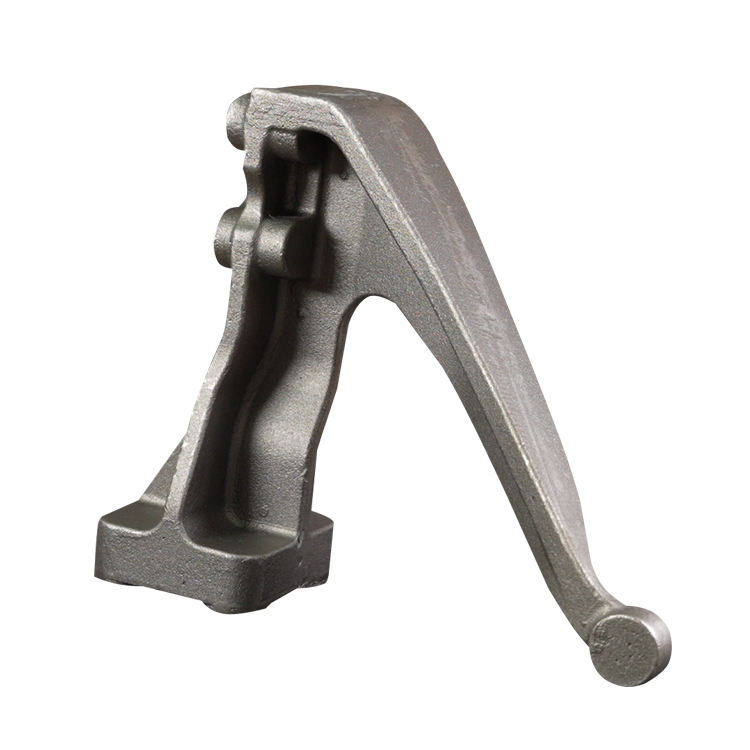
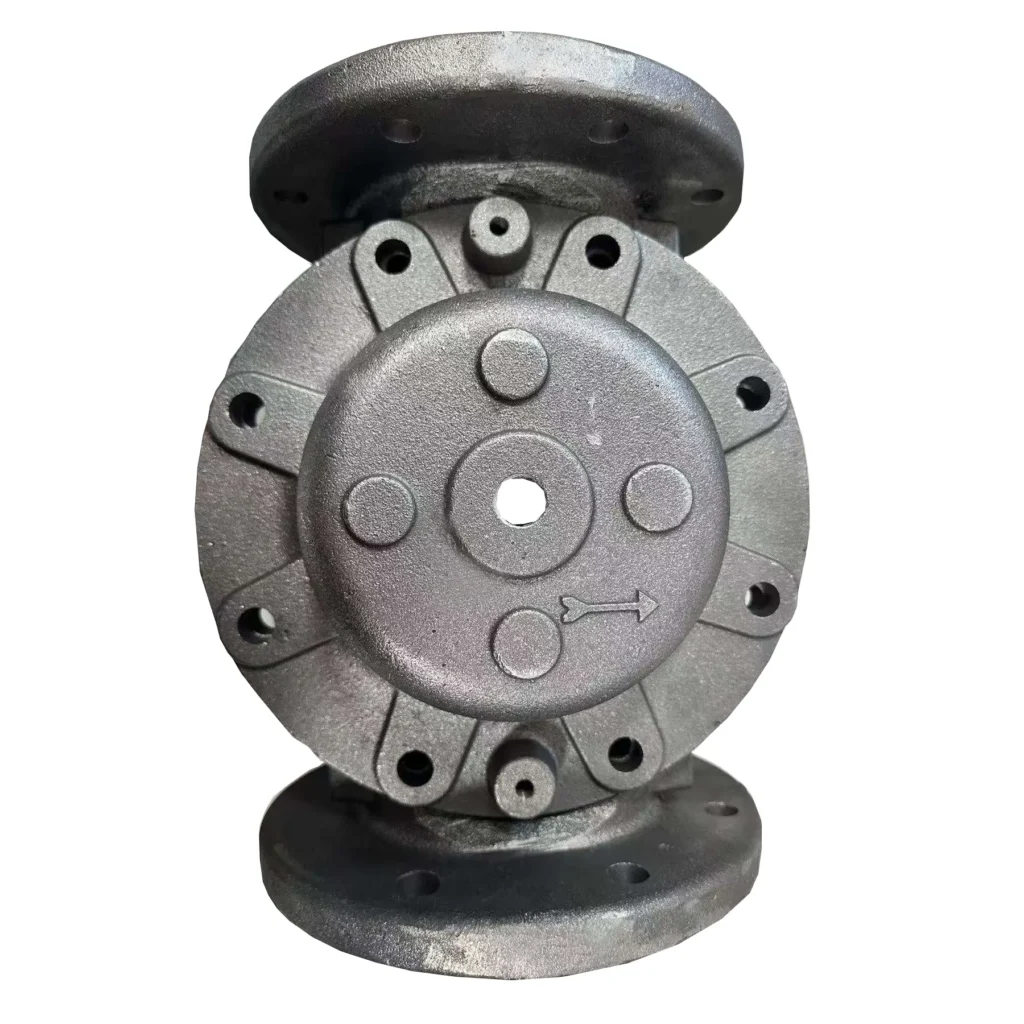
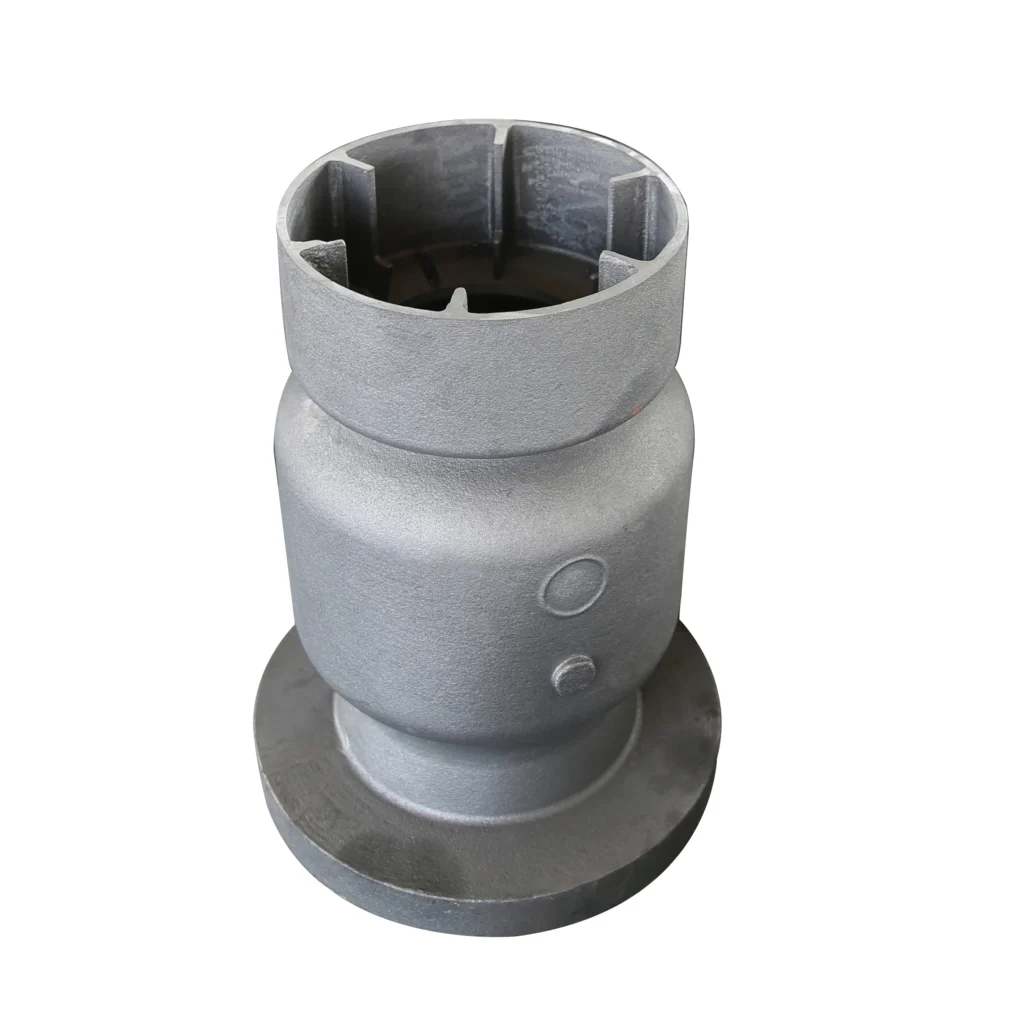
| Manufacturing Method | Sand Casting(Resin Sand, Procated Sand Stack Castings, Clay Sand, Water glass sand, Green Sand,lost foam ) |
| Material Standard | GB, ANSI, BS, DIN, JIS, ASTM, ASME, AISI, etc carbon steel, low carbon steel, middle carbon steel, G35, G45, WCB, WCA, WCC, ISO 340-550, etc. Alloy Carbon steel: G25CrMo4, Heat Resistant Steel, etc. Stainless Steel: SUS 304, 304L, 316, 316L, CF8, CF8M, G-X7CrNiNb1189, etc. AS2074 or according to customer specific requirement. Ductile Iron:A536-Gr.60-40-18,GGG40,GGG50,FCD40,FCD50,Gr370-17,Gr420-12,etc Grey Iron:EN-GJL-250 Casting,A48-No.20,25,30,GG10,GG15,GG20,FC10,FC15,FC20,Grade 150,180,220,FGL150,FGL200,FGL250,etc |
| Weight Range | 1 kg to 100 Tons |
| General Casting Tolerance | CT8-CT12 |
| Design Software | UG, Pro-E, Inventor |
| Dwg Format | STP, STEP, IGS,STP,X_T ,DXF,DWG , Pro/E, PDF, SLDPRT |
| Mould Manufacturing | Yes |
| Casting Stimulation | Yes |
| Ultimate machining tolerance | 0.005mm |
| Quality Control | RT,UT,MT,PT,CMM,SCAN,Chemical and Mechanical Property Testing,Spectrometer,etc |
| Finish Roughness | Ra12.5-Ra25 according to customer requirement |
| Logo/ID | Silk-screening, Laser Marking, Engrave,Painting |
| Heat Treatment | Normalization, Annealing, Quenching and Tempering, Case Hardening, Nitriding, Carbon Nitriding, Induction Quenching,etc |
| Surface Treatment | Shot/sand blast, Polishing, Surface Passivation, Painting , Anodizing,Powder coating, ED- Coating, Chrome Plating, zinc-plate, Dacromat coating, Finish Painting,hot-dip galvanizing, etc |

Common FAQs About Leesh Sand Casting
1. What is sand casting?
2. What materials can Leesh supply for sand casting?
3. What is the weight range of castings Leesh can produce?
4. What sand casting processes does Leesh adopt?
5. What are the key technical specifications of Leesh’s Green sand casting?
6. Which industries does Leesh’s sand casting serve?
7. Why choose Leesh’s AS/NZS 1830 Casting services?
