
Brake Drum Casting – OEM Grey Iron & Ductile Iron Brake Drums Sand Cast to Drawing
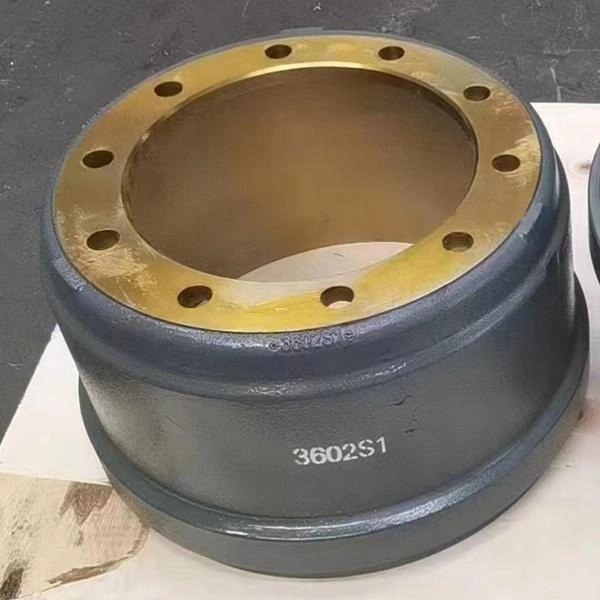
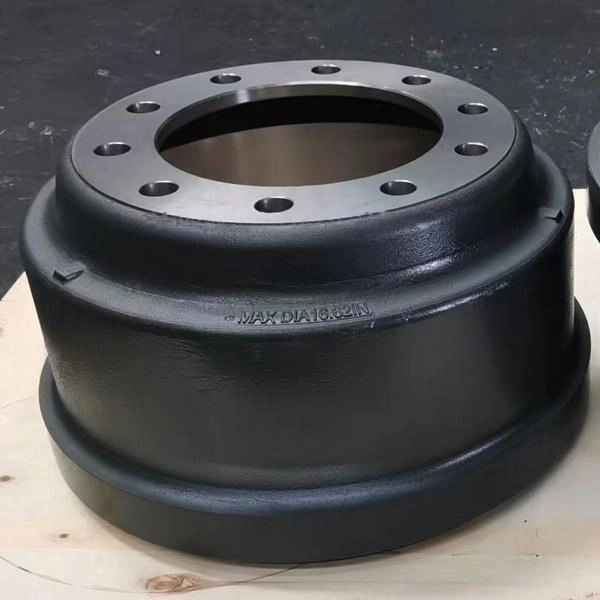
A brake drum casting is a precision-cast iron brake rotor fitted to a commercial vehicle wheel hub, and we resin sand cast it in grey iron GG25/HT250 (ASTM A48 Class 30) or ductile iron GGG500-7, CNC-turn the braking surface and dynamically balance every drum, entirely to your drawing. As a brake drum casting manufacturer we make drums from 200 to 600 mm outside diameter and 15 to 150 kg, for trucks, trailers, buses and off-highway equipment — there is no fixed catalogue size. Leesh Holdings casts, machines and inspects every drum in-house under an IATF-aligned quality system, with a golden sample retained for repeatability.
Leesh Holdings is a professional foundry, not a single-product shop: we run both resin sand casting for iron and steel parts from 0.5 to 800 kg and investment casting (lost-wax precision casting) for stainless, carbon and alloy steels from 0.01 to 80 kg. Brake drums are one product line among hundreds we pour — the same in-house pattern shop, melting furnaces, machining cells and inspection lab also serve clients across automotive, agriculture, mining and general industry. Learn more on our sand casting service and investment casting service pages.
Technical Specifications
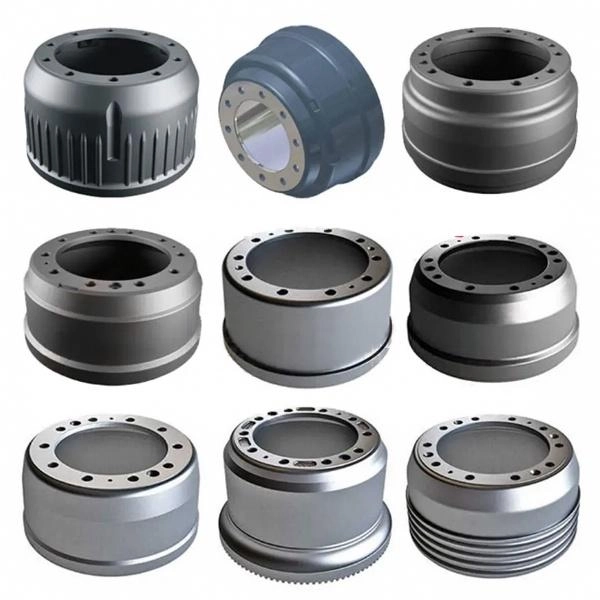
Our brake drum castings are supplied from 200 to 600 mm outside diameter and 15 to 150 kg per piece, with a braking-surface hardness of HB 170–241, Ra 3.2–6.3 µm after CNC turning and ISO 8062 CT10–CT12 as-cast tolerance. Every drum is made to the customer’s drawing, so the figures below describe our production capability rather than a fixed catalogue part — diameter, bolt pattern and wall thickness all follow your sample or CAD file.
| Parameter | Specification | Note |
|---|---|---|
| Material | Grey iron GG25 / HT250 (EN 1561), ASTM A48 Class 30 | Ductile iron GGG500-7 optional |
| Outside diameter | 200–600 mm, made to drawing | Truck, trailer and bus drums |
| Braking-surface hardness | HB 170–241 | Uniform graphite resists heat checking |
| Surface finish | Ra 3.2–6.3 µm after CNC turning | Turned in-house on the braking face |
| Dynamic balance | G6.3 at 600 rpm, or per drawing | 100% balanced before packing |
| Wall thickness | 12–28 mm | Optimised by solidification simulation |
| Casting tolerance | ISO 8062 CT10–CT12 as cast | Machined areas to drawing tolerance |
| Weight | 15–150 kg per drum | Depends on diameter and wall |
| MOQ / samples | 50 pcs per pattern; 3 pcs fit-up samples | Sample fee credited on production order |
| Lead time | 30–35 days after sample approval | Pattern tooling approx. 15 days |
Brake Drum Materials We Cast
Grey iron casting to GG25 / HT250 and ASTM A48 Class 30 is our standard for brake drums because its flake graphite conducts heat away from the friction face, while ductile iron GGG500-7 is offered where impact resistance matters more. We run a controlled high-carbon-equivalent chemistry and inoculate at the ladle to promote uniform Type A graphite — that is what keeps a drum from cracking under repeated thermal cycling. Grey iron brake drum casting remains the most economical choice for highway trucks and trailers; the cast iron brake drum casting option in ductile iron suits severe-duty and off-highway service.
Ductile iron GGG500-7 — ≥500 MPa tensile, ≥7% elongation;for heavy shock loads and fleet applications.
Custom grade — chemistry, graphite form and hardness are set to your drawing or OEM specification, with a spectrometer heat check on every melt.
Sand Casting & Machining Process
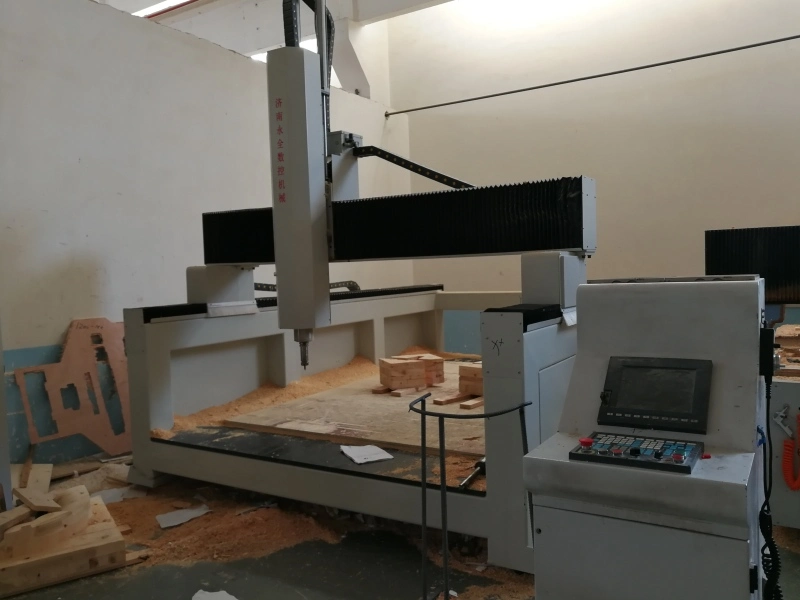
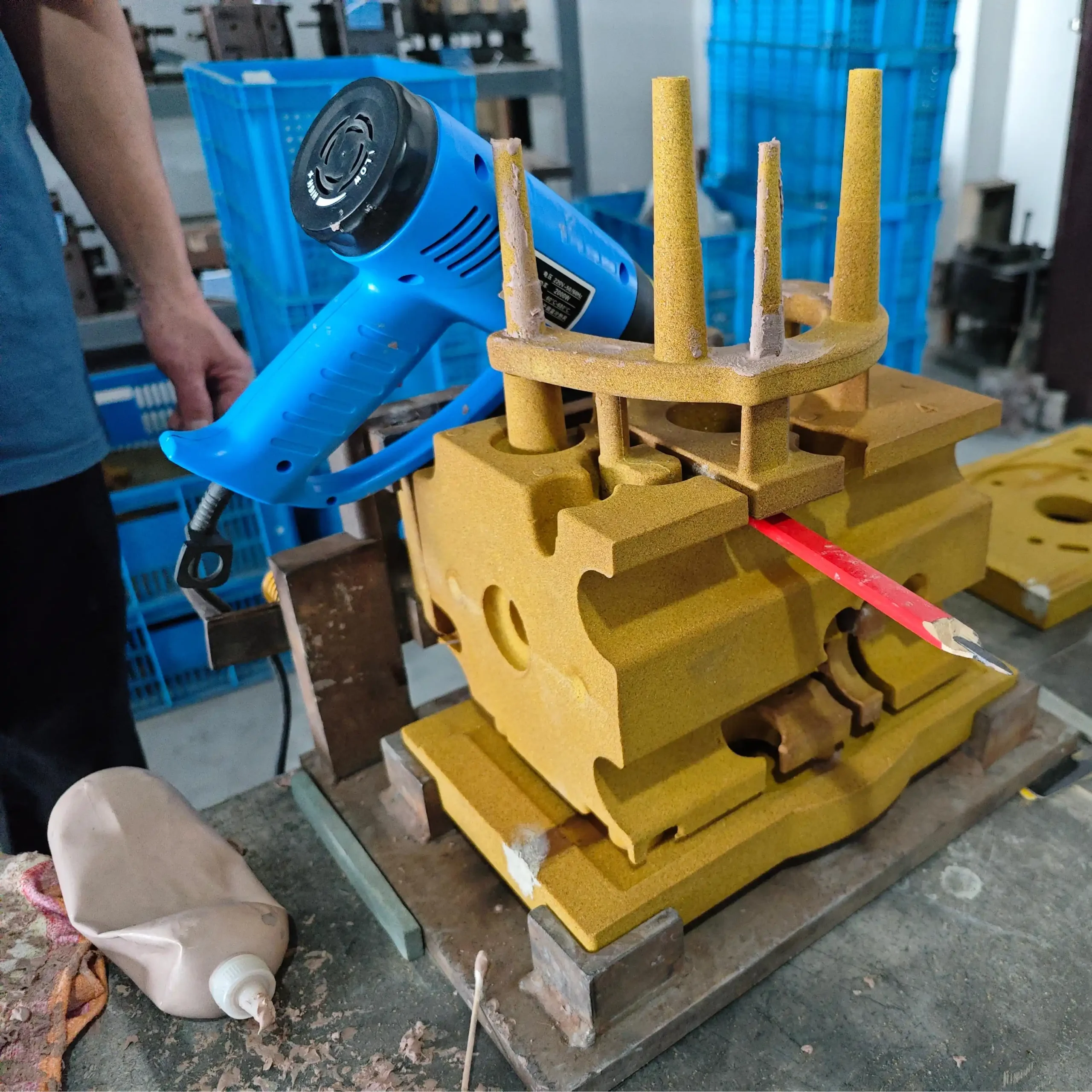
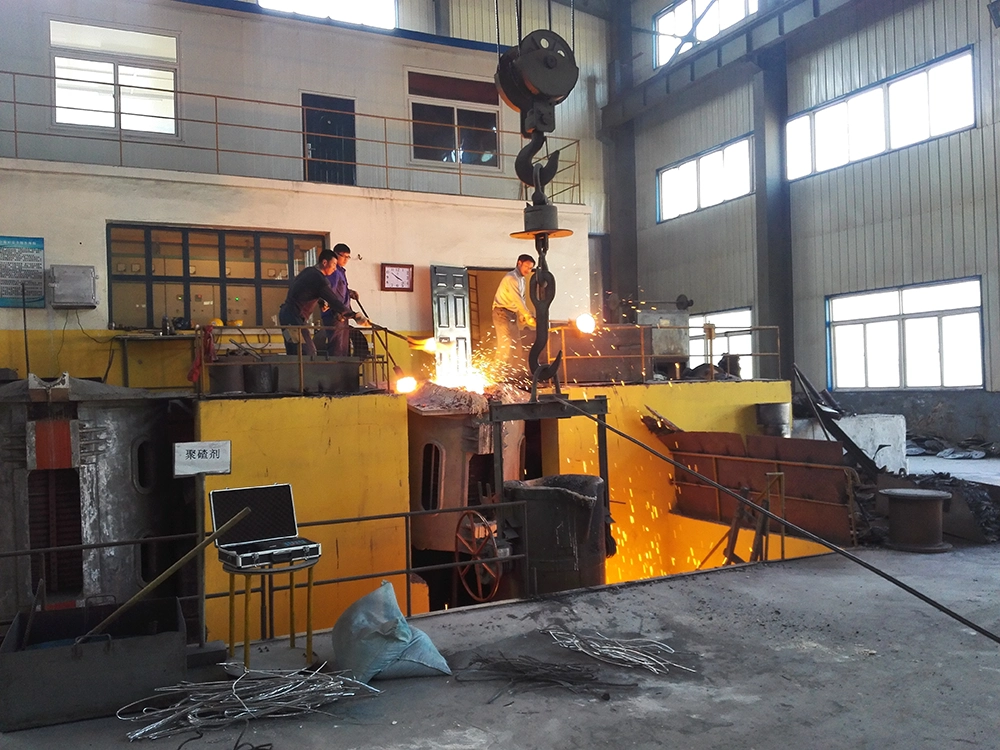
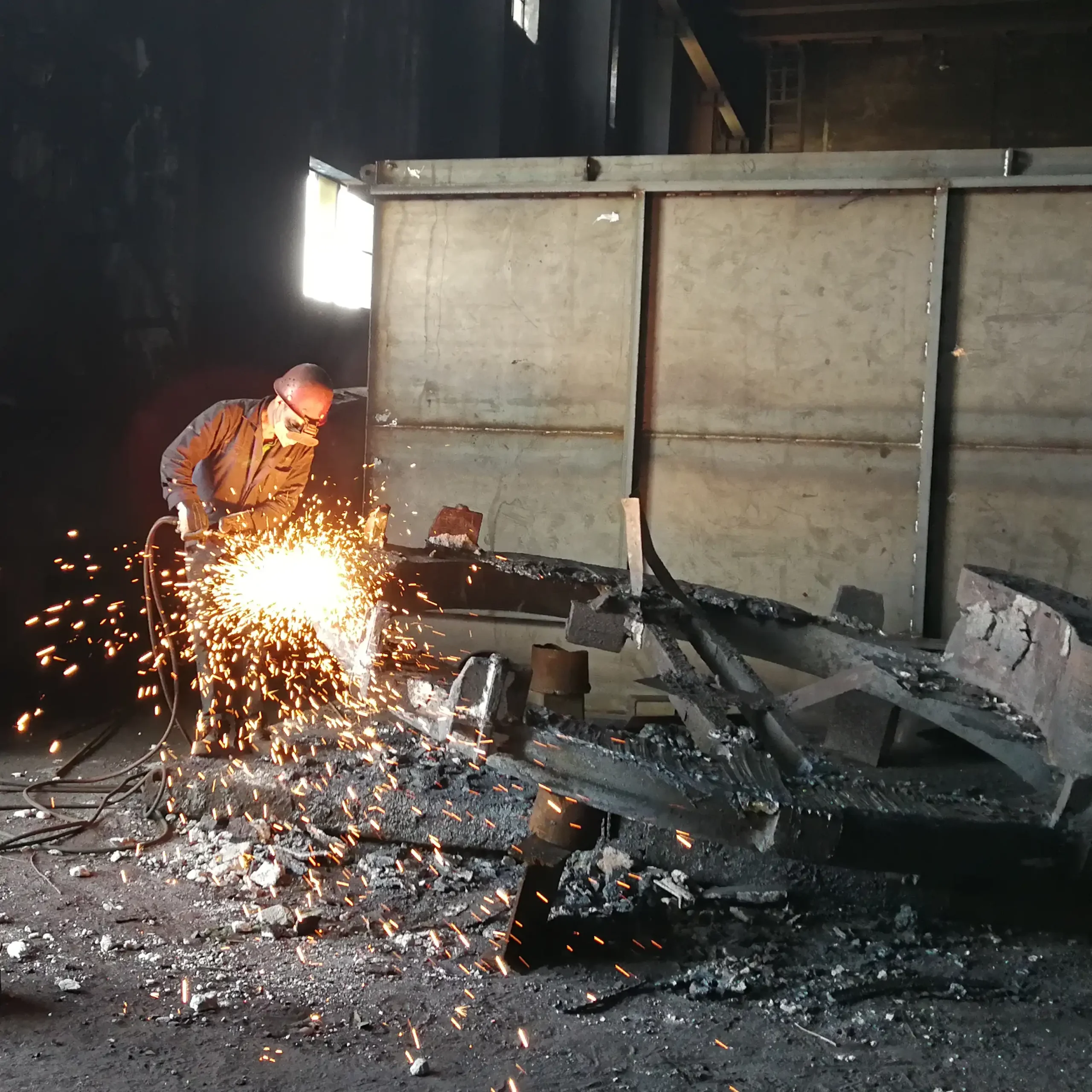
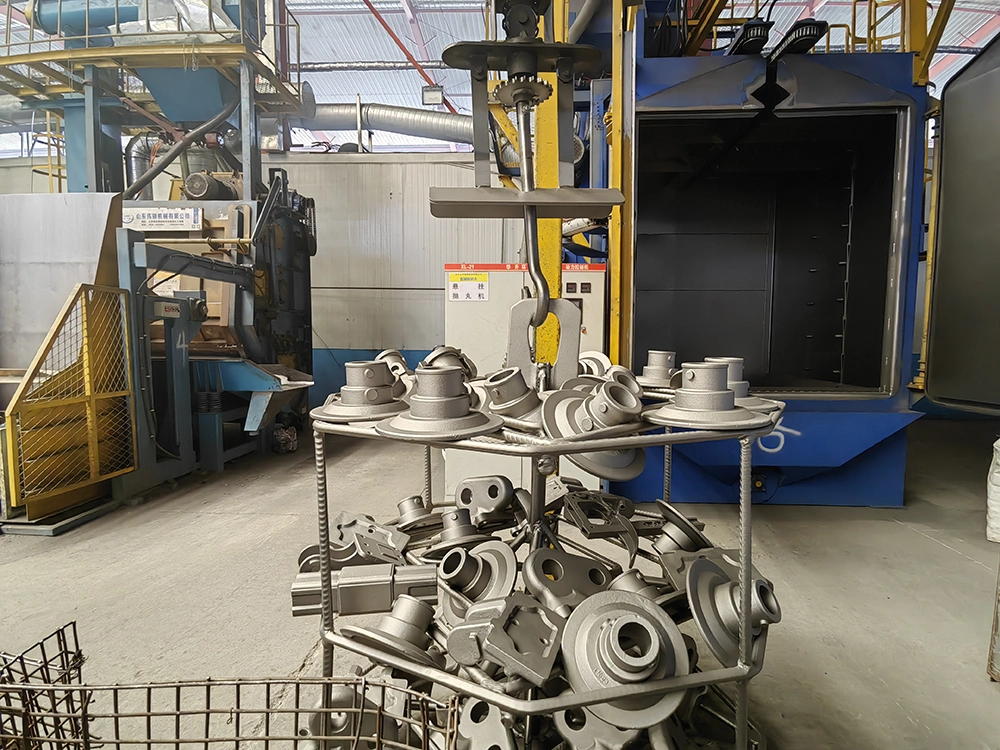
Every brake drum is produced by resin bonded sand casting — pattern, cope-and-drag moulding, induction melting at 1450–1500 °C, gravity pouring, shakeout, shot blasting, then CNC turning of the braking face and bolt flange on a fixture. The resin sand casting process suits brake drums particularly well: the pattern is economical for the many diameters a fleet carries, cores form the deep drum cavity in one piece, and the same mould accepts both grey and ductile iron. We run casting and machining in-house, so balance and braking-surface finish stay identical from the first sample to a full production order.
| Step | Process | Control point |
|---|---|---|
| 01 | Pattern and core box made in wood or resin, with 1.0–1.2% shrink allowance | Profile copied from your sample |
| 02 | Silica sand mixed with 3–4% resin binder | Sand temperature 25–30 °C |
| 03 | Cope-and-drag moulding; cores form the drum cavity | Mould hardness 80–90 units |
| 04 | Iron melted in induction furnace at 1450–1500 °C, ladle inoculated | Spectrometer check before tap |
| 05 | Gravity pouring into the sand mould | Pour within 8 min of mould closing |
| 06 | Vibratory shakeout after 45–90 minutes cooling | Sand reclaimed for reuse |
| 07 | Gate removal, grinding and shot blasting to Sa2.5 | Flash removed from braking face |
| 08 | CNC turn the braking surface and bolt flange | Ra 3.2–6.3 µm held |
| 09 | Drill and tap bolt holes on a fixture | Hole position ±0.20 mm |
| 10 | Dynamic balance, rust protection and final packing | G6.3 balance, 100% inspected |
Applications & Vehicle Compatibility
Our cast brake drums are fitted to trucks, trailers, buses and off-highway machines, with grey iron braking surfaces rated for repeated high-energy stops and light-alloy or ductile options where weight or shock load dominates. Each vehicle class puts a different thermal and mechanical load on the drum, so we agree material grade, hardness and balance class against your axle drawing rather than shipping one universal drum.
| Vehicle / equipment | Typical use | Load requirement |
|---|---|---|
| Heavy trucks | Front and rear axle brake drums | High thermal cycling, HB 200+ |
| Trailers / semi-trailers | Axle drums for long-haul fleets | Sustained downhill braking |
| Buses and coaches | City and intercity service brakes | Frequent stop-start duty |
| Construction machinery | Off-highway and mining vehicles | Dust, shock load, ductile option |
| Agricultural vehicles | Tractors and harvesters | Seasonal duty, anti-rust primer |
Quality Control & Inspection
Every production batch is checked against a retained golden sample with spectrometer analysis, braking-face hardness and roughness readings, CMM dimensions and 100% dynamic balancing before packing. This matters on a brake drum because a 0.5 mm run-out or an out-of-balance drum will cause pedal pulsation and premature lining wear at the customer’s assembly line.
Hardness — Brinell reading on the braking face, held at HB 170–241.
Dimensional — CMM on first article, bolt-hole gauge, run-out and wall thickness checked to drawing.
Balance — 100% dynamic balanced to G6.3 at 600 rpm, or your specified class.
Profile — graphite structure and machining finish checked against the golden sample.
Documentation — IATF-aligned records, material certificate and PPAP support available on request.
About Leesh Holdings – A Professional Casting Foundry
Leesh Holdings runs two in-house casting processes — resin sand casting for grey iron, ductile iron and steel parts from 0.5 to 800 kg, and investment casting (lost-wax precision casting) for stainless, carbon and alloy steels from 0.01 to 80 kg — so brake drum casting is one product line inside a full-service foundry, not our only output. On the same site we pour automotive brake drums alongside cylinder blocks, gear blanks, pump and valve housings, and mining wear parts for customers in automotive, agriculture, mining and general industry. Every order is custom made to drawing or sample, and we carry it from pattern design and material selection through melting, machining, heat treatment and inspection under one roof.
Grey iron, ductile iron and cast steel from 0.5 to 800 kg; wood and resin patterns, cope-and-drag moulding, induction melting, shakeout, shot blasting and CNC machining. Ideal for brake drums, blocks, housings and heavy components. See our sand casting service.
Lost-wax precision casting in stainless, carbon and alloy steels from 0.01 to 80 kg, to ISO 8062 CT4–CT6 with Ra 3.2–6.3 µm as-cast finish. For tight-tolerance, small and complex parts. See our investment casting service.
Our Sand Casting Service & Cast Iron Grade Standards
Our sand casting service covers grey iron and ductile iron parts from 0.5 to 800 kg at ISO 8062 CT10–CT12, backed by in-house pattern making, induction melting, CNC machining, heat treatment and 100% inspection for repeat OEM orders. Resin-bonded sand gives us the freedom to cast a 15 kg brake drum and an 800 kg machine bed on the same line, and we hold patterns and golden samples exclusively for returning customers so a re-order never restarts tooling. We work to the standard your drawing names — Chinese GB, American ASTM, European EN or Japanese JIS — and confirm the exact grade by spectrometer and tensile test before every melt.
The most common cast irons we pour map across four standards as follows — grey iron HT250, for example, corresponds to ASTM A48 Class 30, EN-GJL-250 (GG25) and JIS FC250. Use this table to translate a grade named on your drawing into the equivalent in another standard; final acceptance is always against the mechanical properties and chemistry on your specification.
| Material type | China GB | USA ASTM | Europe EN | Japan JIS |
|---|---|---|---|---|
| Grey iron 150 | HT150 | A48 Class 20 | EN-GJL-150 (GG15) | FC150 |
| Grey iron 200 | HT200 | A48 Class 25 | EN-GJL-200 (GG20) | FC200 |
| Grey iron 250 | HT250 | A48 Class 30 | EN-GJL-250 (GG25) | FC250 |
| Grey iron 300 | HT300 | A48 Class 35 | EN-GJL-300 (GG30) | FC300 |
| Ductile 400-18 | QT400-18 | A536 60-40-18 | EN-GJS-400-18 (GGG40) | FCD400 |
| Ductile 450-10 | QT450-10 | A536 65-45-12 | EN-GJS-450-10 (GGG45) | FCD450 |
| Ductile 500-7 | QT500-7 | A536 80-55-06 | EN-GJS-500-7 (GGG50) | FCD500 |
| Ductile 600-3 | QT600-3 | A536 100-70-03 | EN-GJS-600-3 (GGG60) | FCD600 |
Grade pairs are close equivalents by tensile strength and elongation, not identical specifications — always confirm the applicable standard, heat-treatment condition and acceptance limits on your drawing. Our metallurgists can recommend the Chinese, American, European or Japanese grade that best matches your part.

Packaging & Logistics
Every brake drum is carefully packed with anti-rust protection and clearly labelled by part number, so your warehouse team can identify each batch at a glance. Each drum is treated against rust, sealed and separated to protect the machined braking face, and each package is marked with the part number, pattern reference and quantity — stock goes straight onto your shelves without opening every crate. Drums are then consolidated into sturdy export packing built to arrive clean and undamaged through long-distance haulage, cross-ocean sea freight and air freight.
Frequently Asked Questions
Buyers most often ask which iron grades we cast, whether we machine and balance in-house, what sizes we make, and how an OEM order runs from drawing to repeat production — the direct answers are below.
Which iron grades do you cast brake drums in?
Our standard brake drum casting is grey iron GG25 / HT250 (EN 1561), equivalent to ASTM A48 Class 30, with HB 170–241 on the braking face. Ductile iron GGG500-7 is available for heavy shock loads, and we can match a custom grade and hardness to your drawing. Every melt is checked by spectrometer before pouring.
Do you machine and balance the drums in-house?
Yes. After casting and shot blasting we CNC-turn the braking surface to Ra 3.2–6.3 µm, drill bolt holes on a fixture to ±0.20 mm, and dynamically balance every drum to G6.3 at 600 rpm (or your specified class). Keeping machining and balancing in-house means braking-face finish and balance stay consistent across a long order.
What sizes and weights can you make?
We cast brake drums from 200 to 600 mm outside diameter and 15 to 150 kg, with wall thicknesses of 12–28 mm. These are capability ranges, not stock sizes — diameter, bolt pattern, offset and braking-face width are all made to your sample or CAD file, including private-brand part numbers.
Are you an OEM brake drum casting manufacturer?
Yes. We are an OEM foundry and every brake drum is customized made per drawing or physical sample, including your part number and packaging. Tooling is made exclusively for your part, and we retain the pattern and a golden sample so repeat seasons reproduce the same fit without re-cutting a mould. IATF-aligned records and PPAP support are available.
What is the MOQ and lead time?
Production MOQ is 50 pieces per pattern, with three fit-up samples supplied first; the sample fee is credited against your production order. Pattern tooling takes about 15 days and production delivery is 30–35 days after sample approval. Seasonal repeat orders are faster because we retain the tooling.
Need an OEM quote for a brake drum casting?
Send your drawing or a used drum for a free fitment review.