
EN-GJL-250 Casting
Leesh Sand Casting foundry – Iron Casting Production line adopt the automatic produciton line for vairous grey iron casting & ductile iron casting.
EN-GJL-250 Casting Specification:
1. Typical EN-GJL-250 Casting Chemical Composition (wt%)
| Element | Typical Range | Notes |
|---|---|---|
| Carbon (C) | 2.8 – 3.5 | Promotes graphite formation; balances strength and castability |
| Silicon (Si) | 1.2 – 2.7 | Graphite nucleation; controls ferrite/pearlite matrix balance |
| Manganese (Mn) | 0.4 – 1.0 | Deoxidizer; increases hardness and pearlite content |
| Phosphorus (P) | ≤ 0.15 | Improves cast fluidity; excess causes brittleness |
| Sulfur (S) | ≤ 0.12 | Low sulfur preferred to avoid iron sulfide embrittlement |
| Iron (Fe) | Balance | Main metallic matrix |
2.EN-GJL-250 Casting Mechanical & Physical Properties
| Property | Typical Value / Range | Notes |
|---|---|---|
| Minimum Tensile Strength (Rm) | ≥ 250 MPa | Standard requirement; typical actual value: 250 – 320 MPa |
| Elongation (A) | 0.2 – 2.0 % | Low tensile ductility, brittle in tension |
| Compressive Strength | 600 – 1200 MPa | Much higher than tensile strength, suitable for compressive loads |
| Brinell Hardness (HBW) | 180 – 250 HB | Typical range for standard production; varies with matrix structure |
| Elastic Modulus (E) | 110 – 150 GPa | Reduced by graphite flakes compared to carbon steel |
| Damping Capacity | High | Excellent vibration absorption, core advantage for machine tool bases |
| Density | 7.1 – 7.3 g/cm³ | Typical density for lamellar graphite cast iron |
| Thermal Conductivity | 40 – 60 W·m⁻¹·K⁻¹ | Good heat dissipation, ideal for brake discs and engine components |
| Thermal Expansion Coefficient | 10 – 12 ×10⁻⁶ K⁻¹ | Matches common ferrous components for assembly |
| Specific Heat Capacity | 460 – 500 J·kg⁻¹·K⁻¹ | Standard thermal property for this material |
Note: The chemical composition is for typical foundry production reference only. For EN 1561 standard, only the minimum tensile strength is the mandatory inspection criterion, foundries can adjust chemistry to meet the mechanical property requirements.
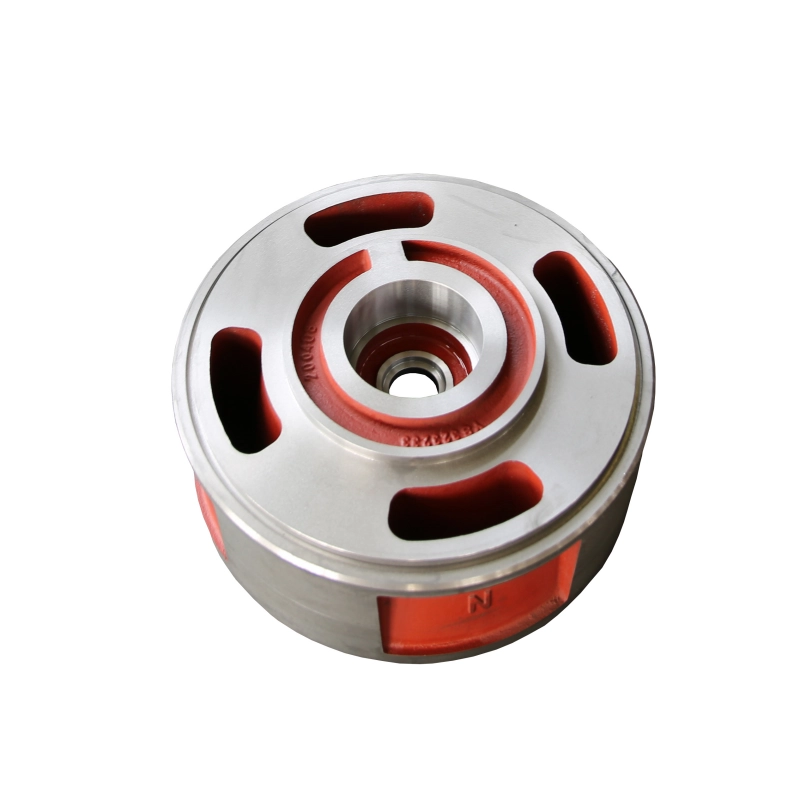
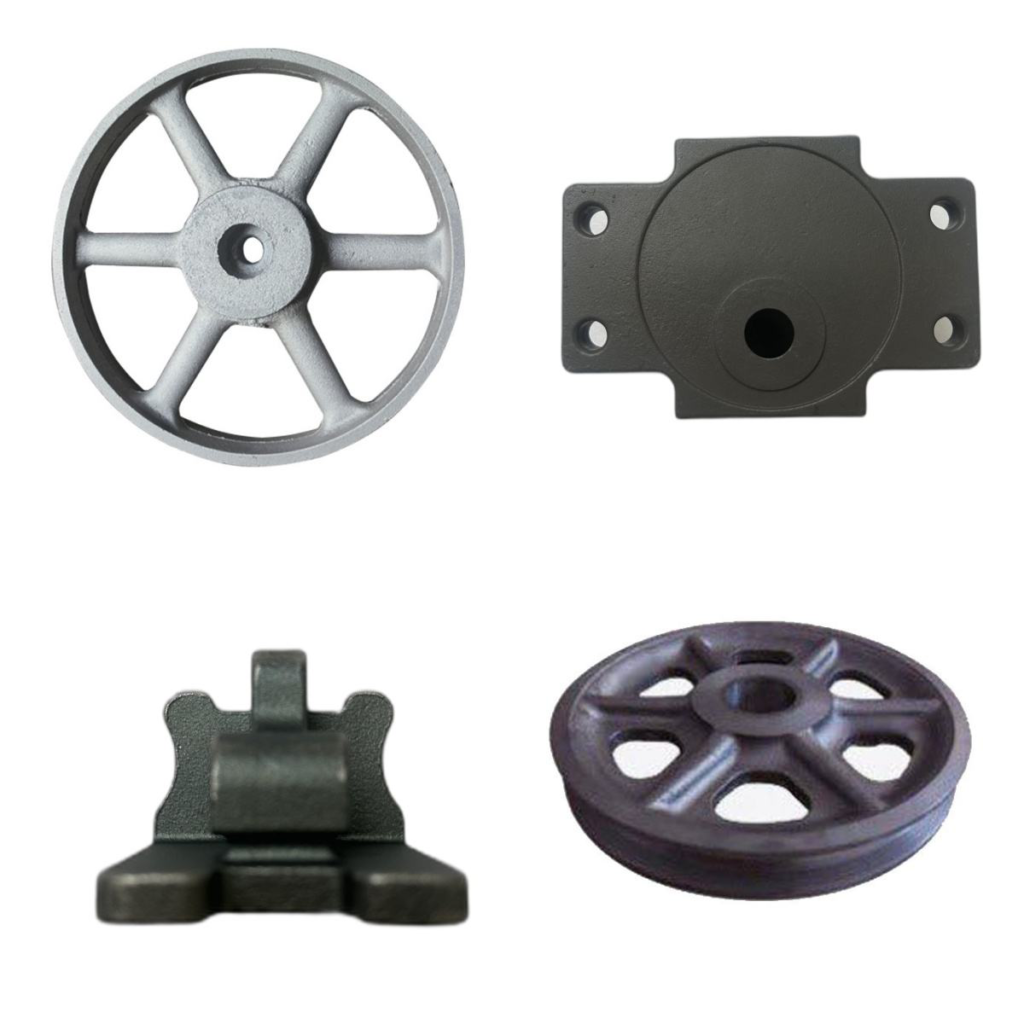
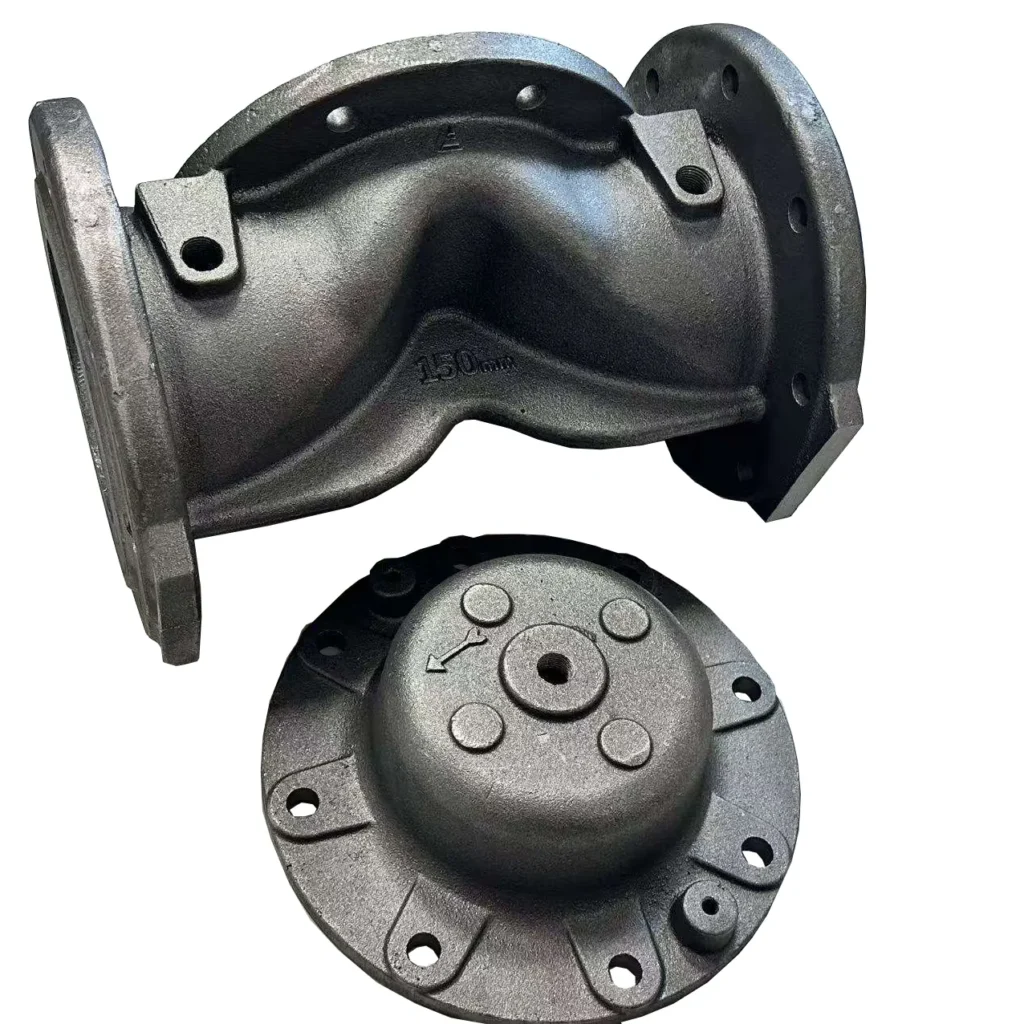
| Manufacturing Method | Sand Casting(Resin Sand, Procated Sand Stack Castings, Clay Sand, Water glass sand, Green Sand,lost foam ) |
| Material Standard | GB, ANSI, BS, DIN, JIS, ASTM, ASME, AISI, etc carbon steel, low carbon steel, middle carbon steel, G35, G45, WCB, WCA, WCC, ISO 340-550, etc. Alloy Carbon steel: G25CrMo4, Heat Resistant Steel, etc. Stainless Steel: SUS 304, 304L, 316, 316L, CF8, CF8M, G-X7CrNiNb1189, etc. AS2074 or according to customer specific requirement. Ductile Iron:A536-Gr.60-40-18,GGG40,GGG50,FCD40,FCD50,Gr370-17,Gr420-12,etc Grey Iron:EN-GJL-250 Casting,A48-No.20,25,30,GG10,GG15,GG20,FC10,FC15,FC20,Grade 150,180,220,FGL150,FGL200,FGL250,etc |
| Weight Range | 1 kg to 100 Tons |
| General Casting Tolerance | CT8-CT12 |
| Design Software | UG, Pro-E, Inventor |
| Dwg Format | STP, STEP, IGS,STP,X_T ,DXF,DWG , Pro/E, PDF, SLDPRT |
| Mould Manufacturing | Yes |
| Casting Stimulation | Yes |
| Ultimate machining tolerance | 0.005mm |
| Quality Control | RT,UT,MT,PT,CMM,SCAN,Chemical and Mechanical Property Testing,Spectrometer,etc |
| Finish Roughness | Ra12.5-Ra25 according to customer requirement |
| Logo/ID | Silk-screening, Laser Marking, Engrave,Painting |
| Heat Treatment | Normalization, Annealing, Quenching and Tempering, Case Hardening, Nitriding, Carbon Nitriding, Induction Quenching,etc |
| Surface Treatment | Shot/sand blast, Polishing, Surface Passivation, Painting , Anodizing,Powder coating, ED- Coating, Chrome Plating, zinc-plate, Dacromat coating, Finish Painting,hot-dip galvanizing, etc |

