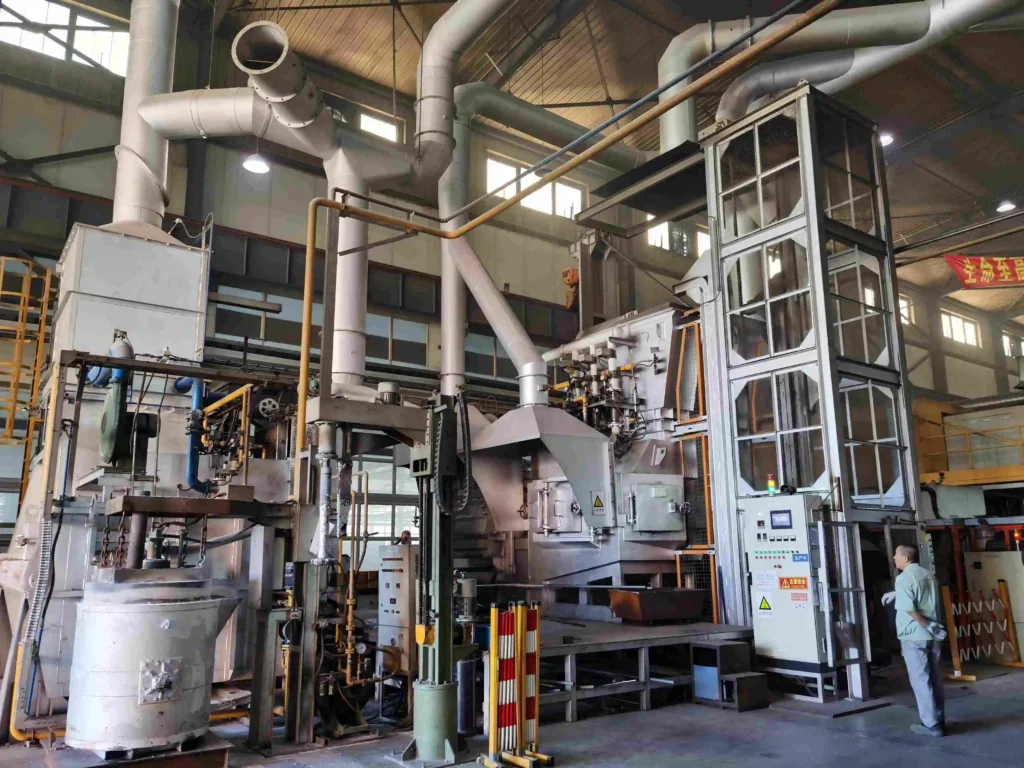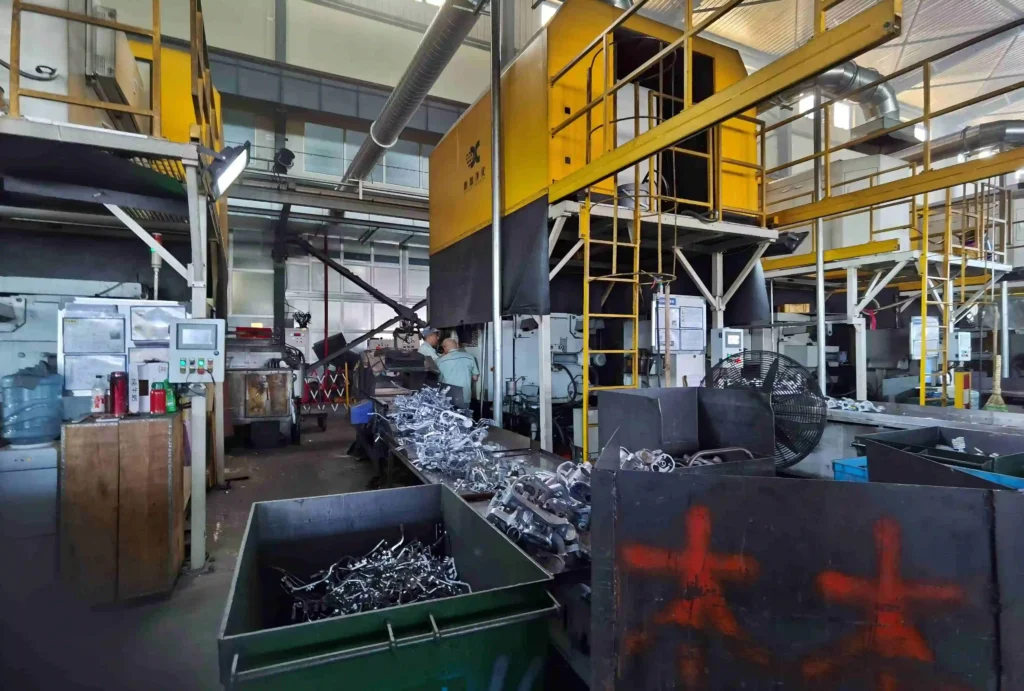
Gravity Die Casting: The Foundation of Quality Parts
Gravity Die Casting is a reliable method for producing top – notch components, especially when using aluminum alloy as the material. This process allows for the creation of customized parts tailored to customer drawings and requirements.
Aluminum Alloy: A Material of Choice
Aluminum alloy offers several advantages in gravity die casting. It enables the production of parts with precise dimensions. The alloy’s characteristics contribute to even stress distribution within the part, ensuring its structural integrity. Additionally, aluminum alloy parts made through gravity die casting exhibit good hardness, making them suitable for various applications.
Customization to Your Needs
One of the key benefits of our gravity die – cast aluminum alloy parts is the ability to customize. Whether it’s a small – scale prototype or a large – batch production, we can create parts exactly as per the customer’s drawing. This ensures that the parts fit perfectly into your specific machinery or product.
Surface Finishing Options
We offer two excellent surface finishing options: wire – drawing and electrolytic polishing. Wire – drawing gives the part an aesthetically pleasing, textured appearance, while electrolytic polishing provides a smooth, mirror – like finish. Both options not only enhance the visual appeal but also contribute to the part’s durability and corrosion resistance.
Quality Assurance
Our gravity die – cast aluminum alloy parts are manufactured with strict quality control measures. The precision of the casting process, combined with the high – quality aluminum alloy material, results in parts that meet the highest standards. Whether you need parts for automotive, aerospace, or any other industry, our customized gravity – die – cast aluminum alloy parts offer the perfect blend of precision, strength, and finish.

| Manufacturing Method | Die Casting Services |
| Material Standard | GB, ANSI, BS, DIN, JIS, ASTM, ASME, AISI, etc Aluminum alloy: ISO3522-84, ASTMB85-96, JISH5302:2000, EN1706:1998 Aluminum alloy: ADC12, ADC10, A360, A380, A356, 6061, 6063, AlSi9Cu 2.Magnesium alloy: ISO/DIS16220-1999, ASTMB93/B93M-98, EN1754-1997 Magnesium alloy: AZ91D, AM60B, 3.Zinc alloy: ISO301-1981,ASTMB327-98, JISH2021:1999, EN12844:1998 Zinc alloy: ZA3#,ZA5#,ZA8# |
| Weight Range | 3g – 20 kgs |
| Dimension Range | Mini 80 X 80 mm, Max 800 X 800 mm |
| Tolerance | ±0.02mm |
| Design Software | UG, Pro-E, Inventor |
| Dwg Format | STP, STEP, IGS,STP,X_T ,DXF,DWG , Pro/E, PDF, SLDPRT |
| Mould Manufacturing | Yes |
| Casting Stimulation | Yes |
| Quality Control | RT,UT,MT,PT,CMM,SCAN,Chemical and Mechanical Property Testing,Spectrometer,etc |
| Ultimate machining tolerance | 0.005mm |
| Logo/ID | Silk-screening, Laser Marking, Engrave,Painting |
| Finish Roughness | Ra0.8-Ra1.6 according to customer requirement |
| Heat Treatment | Normalization , Annealing, Quenching and Tempering, Case Hardening, Nitriding, Carbon Nitriding, Induction Quenching,etc |
| Surface Treatment | Shot/sand blast, Polishing, Surface Passivation, Painting , Anodizing,Powder coating, ED- Coating, Chrome Plating, zinc-plate, Dacromat coating, Finish Painting,hot-dip galvanizing, etc |