David Lee

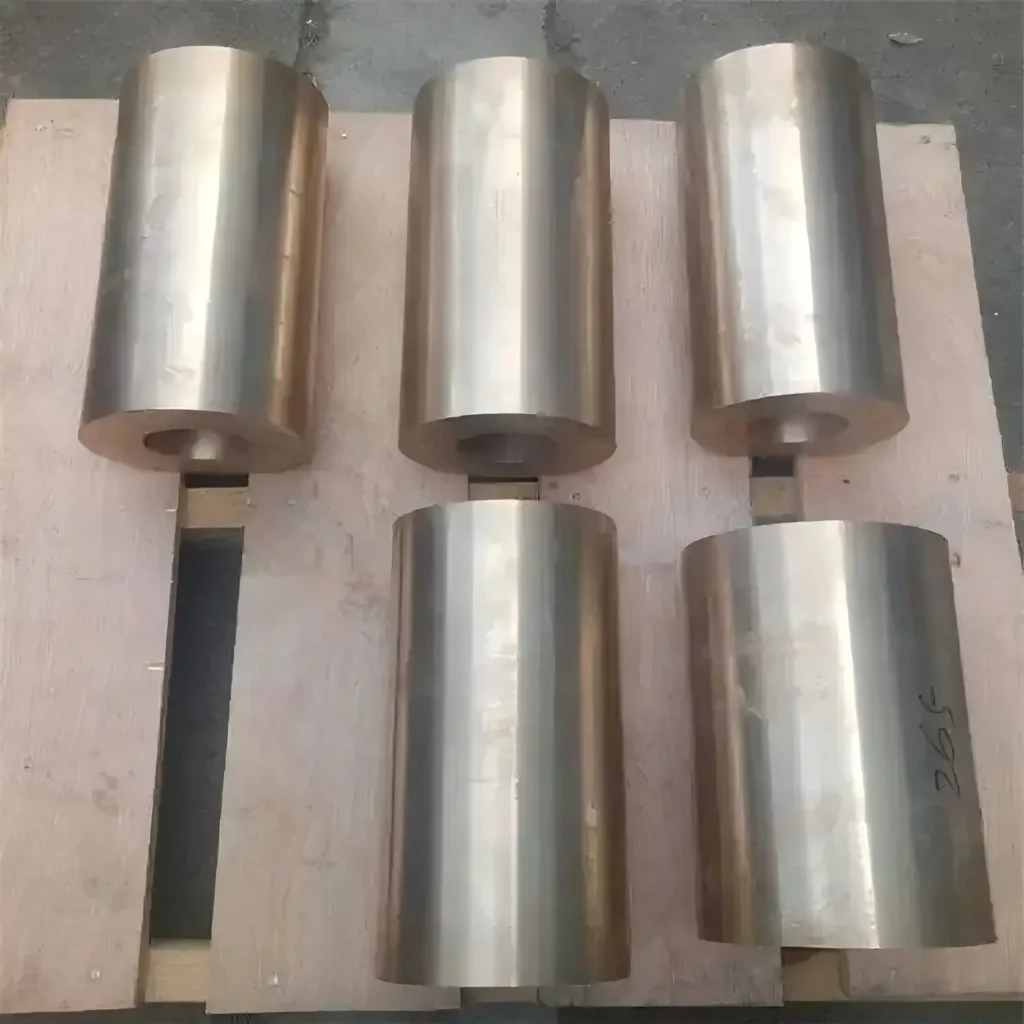
C86500 Is a kind of copper alloy material, mainly used in chemical machinery and equipment, with high electrical conductivity, thermal conductivity, corrosion resistance and mechanical strength characteristics. C86500 Copper by adding the right amount of tin, zinc and other elements, significantly improve the corrosion resistance and mechanical strength of the material, so that it can maintain long-term stability and durability in the face of common acid, alkali, salt and other corrosive media in the chemical environment . In addition, C86500 copper material also has good processing performance, suitable for Leesh sand casting, investment casting, forging, and machining processes, can meet the needs of complex chemical equipment.

C86500-Manganese Bronze

C86500 Is a kind of copper alloy material, mainly used in chemical machinery and equipment, with high electrical conductivity, thermal conductivity, corrosion resistance and mechanical strength characteristics. C86500 Copper by adding the right amount of tin, zinc and other elements, significantly improve the corrosion resistance and mechanical strength of the material, so that it can […]

C86500-Manganese Bronze Read More »

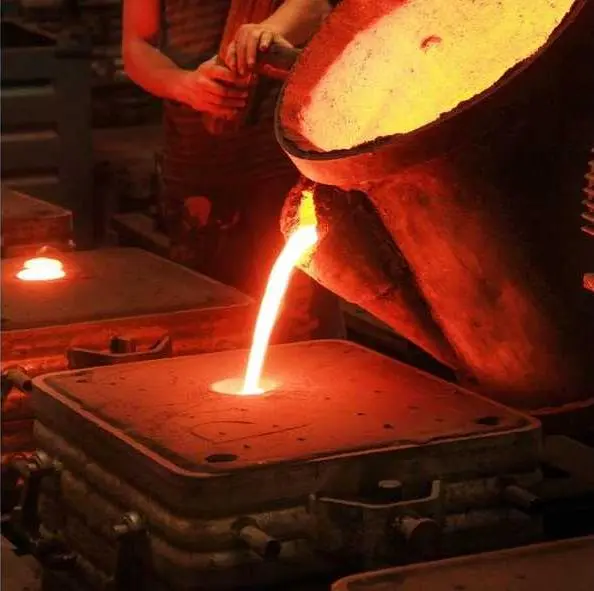
investment casting

What is the investment casting advantages?

1-Smooth surface finish Use the Aluminum mould and wax to make the pattern, then glue with the silica sol as binding agent, so you will see a very clear difference compare with Sand Casting .Mostly the roughness range from Ra 1.6 μm to Ra6.4 μm, but Leesh Engineering Investment Casting service can achieve a average above 3.2μm. 2-Save machining Time and

What is the investment casting advantages? Read More »

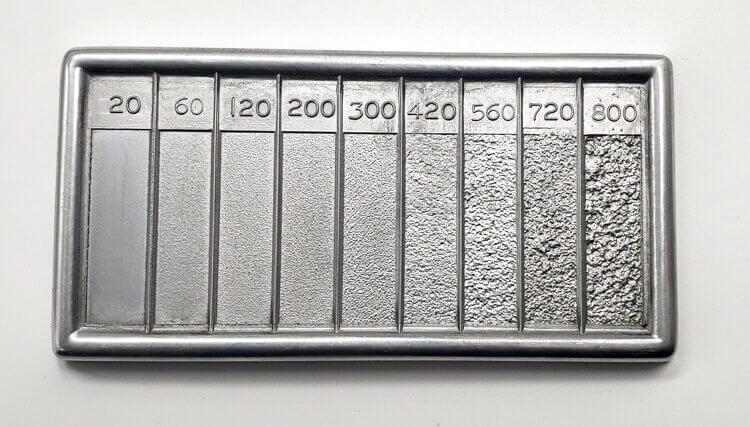
Surface-Roughness-Conversion-Chart

Surface Roughness by Different Manufacturing Method

Knowing the surface roughness by different manufacturing method- it will let you make the right decision to choose the best suitable method and material, it will let you know the best budget. Process Roughness Range, Ra – Micrometers μm Maximum Minimum Flame Cutting 25 12.5 Snagging 25 6.3 Sawing 25 1.6 Planing, Shaping 12.5 1.6 Drilling 6.3 1.6 Chemical Milling 6.3 1.6 Elect.

Surface Roughness by Different Manufacturing Method Read More »

Surface Roughness Range of Leesh Silica Sol Precision Casting

Leesh Silica sol precision casting (also known as investment casting or lost-wax casting) is built on advanced equipment, mature techniques, and extensive experience, ensuring that our products’ surface roughness consistently ranks among the best in the industry, typically achieves a surface roughness influenced by multiple factors, including silica sol coating quality, shell mold preparation, and metal pouring temperature. The standard

Surface Roughness Range of Leesh Silica Sol Precision Casting Read More »

Comparison of High Pressure Die Casting, Low Pressure Die Casting, and Gravity Casting

1. Process Principles Comparison Process Pressure Source Filling Method Typical Pressure Range High Pressure Casting (HPDC) Hydraulic or mechanical pressure Molten metal injected at high speed 50~150 MPa Low Pressure Casting (LPDC) Compressed gas (inert gas) Molten metal fills mold slowly from bottom 0.01~0.1 MPa Gravity Casting Natural gravity (no external pressure) Molten metal flows

Comparison of High Pressure Die Casting, Low Pressure Die Casting, and Gravity Casting Read More »

Scroll to Top