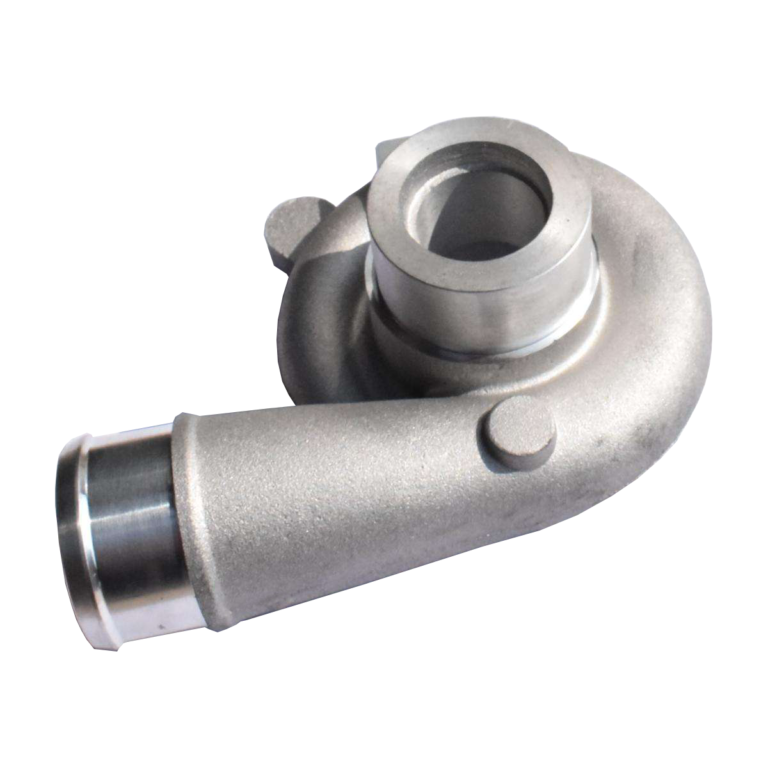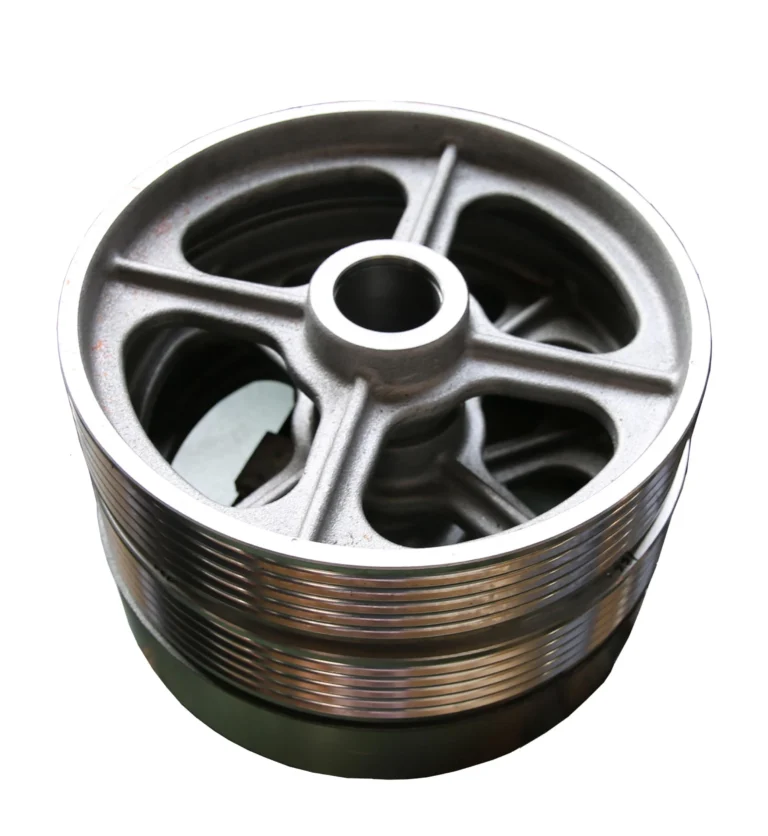
The Precision Casting Process
The precision casting process, often referred to as the lost wax casting method, involves several key steps:
- Wax Pattern Creation: A wax model of the desired part is created using injection molding or 3D printing. This wax pattern is an exact replica of the final product.
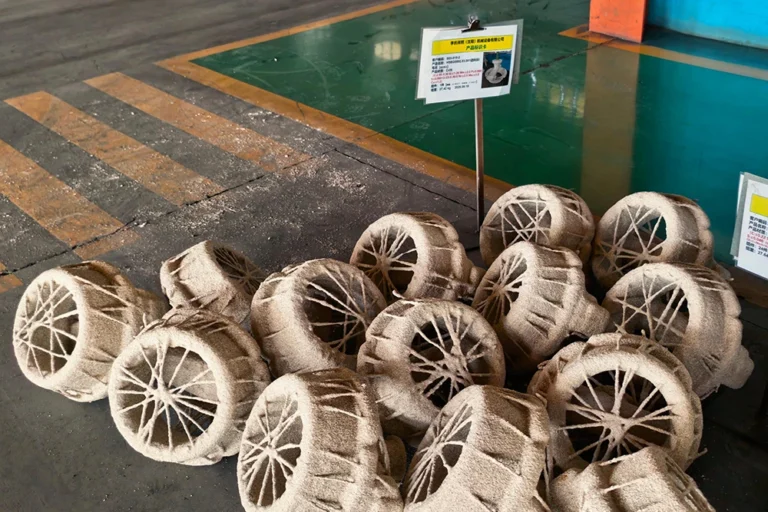
- Assembly and Shell Building: Multiple wax patterns are attached to a central wax sprue to form a tree-like structure. This assembly is then dipped into a ceramic slurry and coated with fine sand to create a ceramic shell. The process is repeated several times to build a thick, durable shell.
- Dewaxing: The ceramic-coated assembly is heated in an autoclave or furnace to melt and remove the wax, leaving behind a hollow ceramic mold. This step is known as dewaxing.
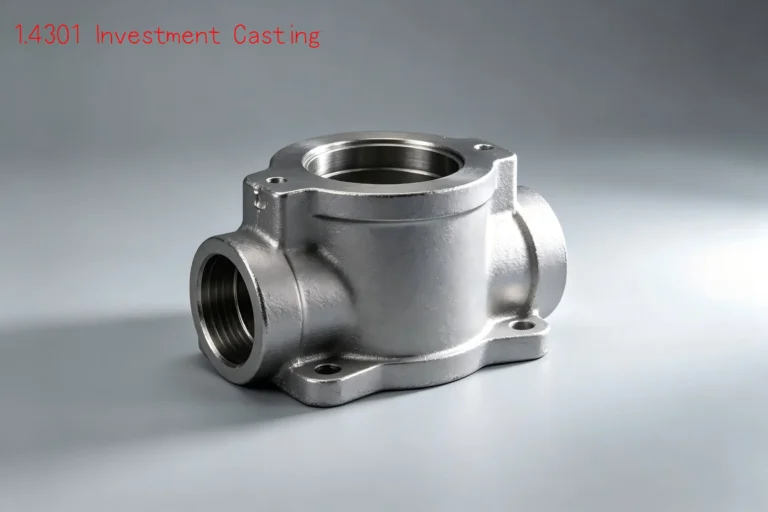
- Pouring: The ceramic mold is preheated, and molten metal is poured into the cavity. Common materials include stainless steel, aluminum, and titanium alloys.
- Solidification and Cooling: The metal is allowed to cool and solidify within the mold, taking the shape of the original wax pattern.
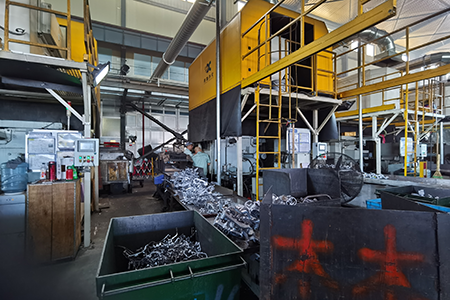
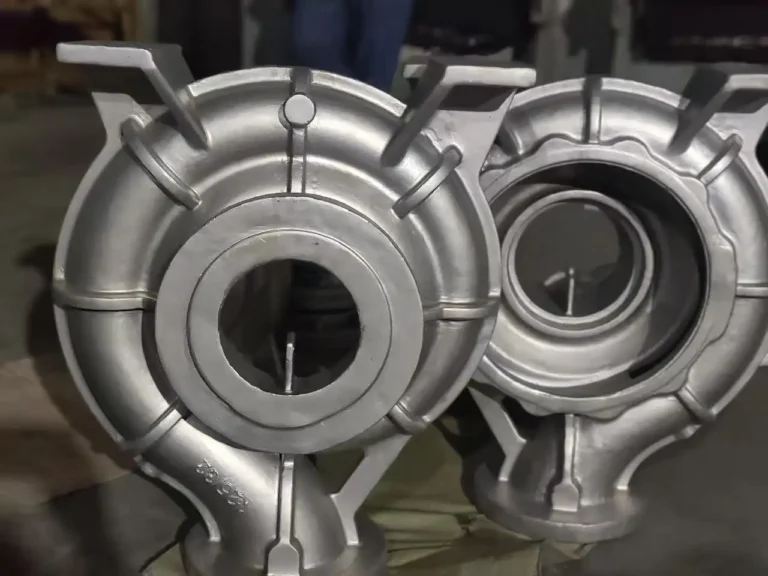
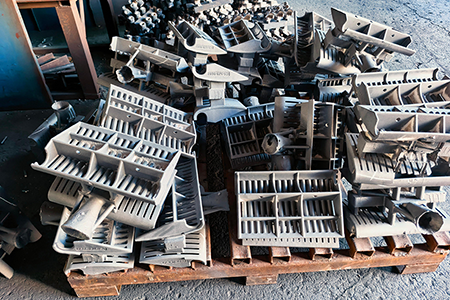
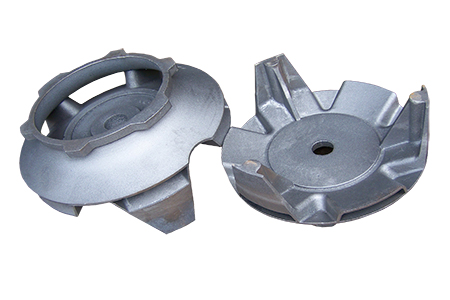
- Shell Removal and Finishing: Once the metal has cooled, the ceramic shell is broken away, and the cast parts are cut from the sprue. Additional processes such as heat treatment, machining, and surface finishing may be applied to achieve the desired properties and appearance.
Materials Used in Precision Casting
Precision casting supports a wide range of materials, making it versatile for various applications. Commonly used materials include:
- Stainless Steel: Known for its corrosion resistance and strength, stainless steel is widely used in aerospace and medical industries.
- Aluminum: Lightweight and durable, aluminum is ideal for automotive and aerospace components.
- Titanium Alloys: With high strength-to-weight ratios and excellent corrosion resistance, titanium is often used in aerospace and medical implants.
- High-Temperature Alloys: These materials are essential for turbine blades and other components exposed to extreme heat.
- Copper and Bronze: Often used in artistic and decorative applications, such as jewelry casting.
Applications of Precision Casting
Precision casting is utilized in numerous industries due to its ability to produce complex and high-quality parts. Some key applications include:
- Aerospace: Components such as turbine blades, engine parts, and structural elements require high precision and durability, making precision casting an ideal choice.
- Automotive: Precision casting is used to manufacture engine components, transmission parts, and lightweight structural elements.
- Medical: The medical industry relies on precision casting for surgical instruments, implants, and prosthetics, where biocompatibility and precision are critical.
- Jewelry: The lost wax casting method is a popular technique for creating intricate and detailed jewelry pieces.
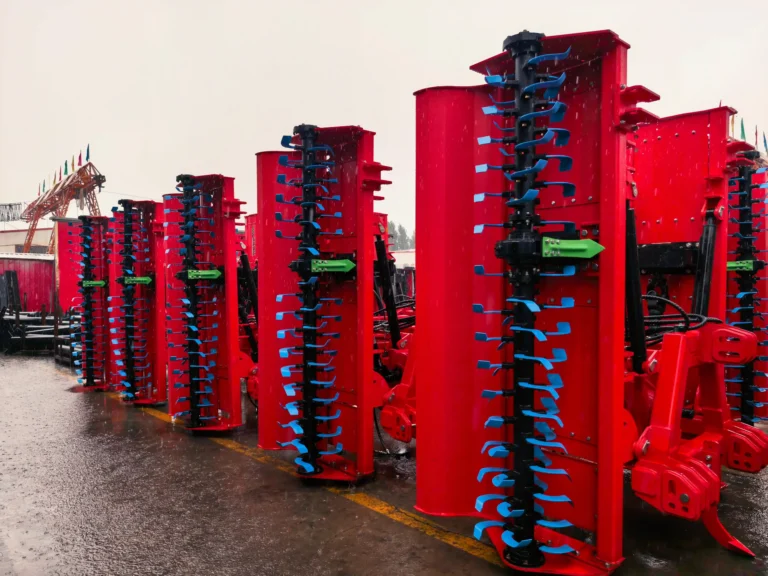
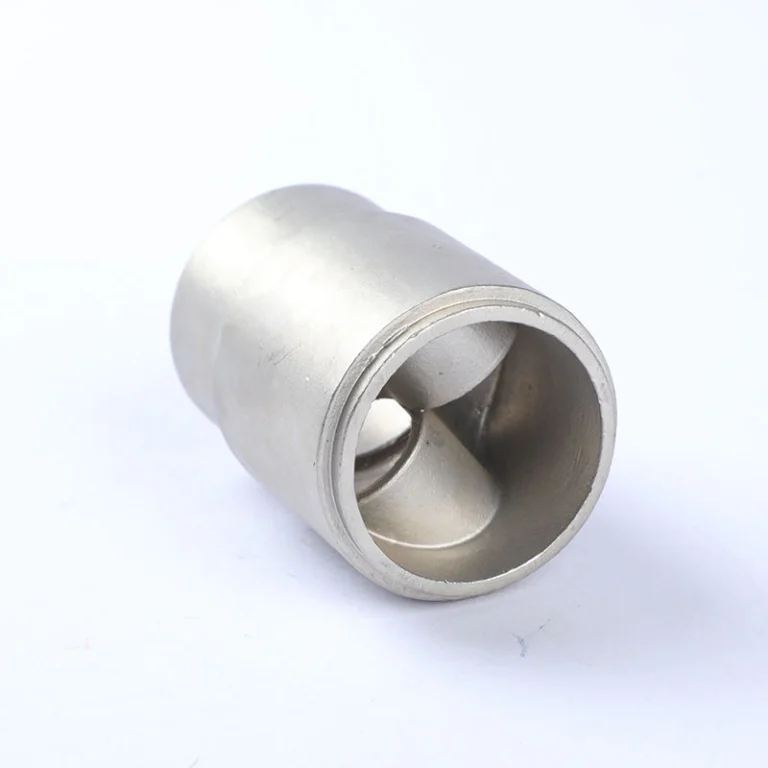
- Industrial Machinery: Precision casting is used to produce gears, valves, and other machinery components that require high dimensional accuracy.
Advantages of Precision Casting
- High Dimensional Accuracy: Precision casting can achieve tight tolerances and intricate details, reducing the need for additional machining.
- Excellent Surface Finish: The process produces parts with smooth surfaces, often eliminating the need for secondary finishing.
- Material Versatility: A wide range of metals and alloys can be used, making it suitable for diverse applications.
- Complex Geometries: Precision casting can produce parts with complex shapes that are difficult or impossible to achieve with other methods.
Challenges and Considerations
While precision casting offers numerous benefits, there are some challenges to consider:
- Cost: The process can be more expensive than other casting methods, particularly for small production runs.
- Defects: Common casting defects such as porosity, shrinkage, and inclusions can occur, requiring rigorous quality control measures.
- Lead Time: The multiple steps involved in precision casting can result in longer production times compared to simpler methods like sand casting.
Quality Control and Testing
To ensure the highest quality, precision casting manufacturers employ various testing methods, including:
- Dimensional Inspection: Verifying the accuracy of the cast parts using advanced measuring tools.
- Non-Destructive Testing (NDT): Techniques such as X-ray and ultrasonic testing to detect internal defects.
- Surface Finish Analysis: Ensuring the surface meets the required specifications.
The Future of Precision Casting
With advancements in technology, precision casting continues to evolve. The integration of 3D printing for creating wax patterns and molds has streamlined the process, reducing lead times and costs. Additionally, the development of new alloys and improved heat treatment techniques has expanded the capabilities of precision casting.
Conclusion
Precision casting is a highly versatile and reliable manufacturing process that plays a critical role in industries requiring complex, high-quality metal parts. From aerospace components to intricate jewelry, the lost wax casting method offers unparalleled precision and flexibility. By understanding the process, materials, and applications, manufacturers can leverage precision casting to meet the demands of modern engineering and design.
Whether you are looking for custom precision casting services or exploring the global precision casting market, this method remains a cornerstone of advanced manufacturing.