G20Mn5 Casting for Welded Steel Structures
A single data sheet for the low-alloy cast steel engineers specify when a node has to be poured, welded and still perform at minus thirty degrees. Below you will find the verified G20Mn5 casting chemistry, mechanical properties in both delivery conditions, carbon-equivalent and preheat calculators, and the honest answer on how 1.6220 maps to Chinese, American and Australian standards.
What G20Mn5 actually is
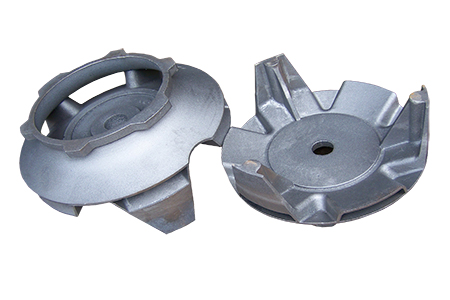
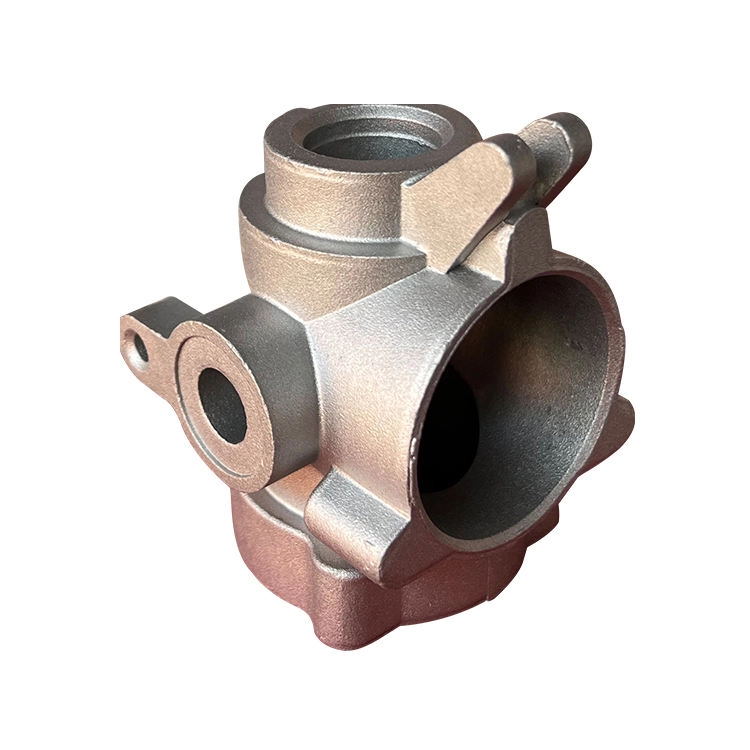
G20Mn5 casting material is a low-carbon, manganese-alloyed cast steel carrying the European number 1.6220. It appears in three EN delivery standards at once — EN 10293 for general engineering castings, EN 10340 for castings for structural use, and EN 10213-3 for pressure castings intended for low temperature — which is why the same grade turns up in a stadium column fork, a slush pump body and a rail bogie bracket.
Strength from manganese, not carbon
Carbon stays between 0.17 and 0.23 % while manganese works at 1.00–1.60 %. That is the same trick S355 uses in the mill, and it is why G20Mn5 cast steel keeps the weldability that a medium-carbon casting such as ZG270-500 loses.
GS-20Mn5 / W-Nr. 1.1120
Drawing packages written before the EN harmonisation often say GS-20Mn5 to DIN 17182, with the suffix N for normalised and V for quenched and tempered. DIN 17182 has been superseded by EN 10293, but the old marking still governs many legacy weld procedure qualifications.
Toughness that survives a weld joint
A normalised G20Mn5 casting is required to absorb at least 27 J at −30 C on a V-notch specimen, and the quenched-and-tempered condition reaches −40 C. Cast steel is the weak point of a welded assembly only when its toughness is ignored; this grade is chosen precisely so it is not.
G20Mn5 casting chemistry, element by element
Analysis limits for the G20Mn5 grade as written in EN 10293 and EN 10340. Values are mass %;
| Element | Limit | What it does in a G20Mn5 casting |
|---|---|---|
| C Carbon | 0.17 – 0.23 | Strength base. Keeping the top of the range off reduces hardness in the heat-affected zone. |
| Mn Manganese | 1.00 – 1.60 | The main hardening element, and the reason this grade has a cast-steel yield near 300 MPa rather than 230 MPa. |
| Si Silicon | ≤ 0.60 | Deoxidiser. Helps fluidity but raises the carbon-equivalent figure if pushed. |
| P Phosphorus | ≤ 0.020 | Cold-shortness driver. Serious G20Mn5 steel casting packages for low temperature ask for 0.015 or below. |
| S Sulphur | ≤ 0.020 | Hot-cracking risk in the mould. The DIN 17182 predecessor limited S to 0.015. |
| Cr Chromium | ≤ 0.30 | Residual / trace, not deliberate alloying. |
| Mo Molybdenum | ≤ 0.12 | Trace. Adds hardenability, so it is capped to protect weldability. |
| Ni Nickel | ≤ 0.80 | Residual, tolerated at a level that does not hurt toughness. |
| Cu Copper | ≤ 0.30 | Residual from scrap charge. |
| V Vanadium | ≤ 0.03 | Grain-refining trace. |
Density 7.8 kg/dm³ · specific heat 460 J/(kg·K) at 20 °C · thermal conductivity 45 W/(m·K) at 50 °C · mean expansion coefficient 13.0 × 10⁻⁶ /K over 20–100 °C.
Carbon-equivalent check for your own heat analysis
IIW formula Ceq = C + Mn/6 + (Cr+Mo+V)/5 + (Ni+Cu)/15. Type in the figures from the heat analysis report and the tool judges weldability and a starting preheat for a G20Mn5 casting. The EN ceiling for this grade is normally written as CEV ≤ 0.45 %.
G20Mn5 casting mechanical properties
The G20Mn5 grade is supplied in two delivery conditions and the property sheet you receive changes with them. Pick the condition your drawing calls for — the numbers below are the tensile-test requirements, not typical lab results.
| Property | Requirement | Notes |
|---|---|---|
| Tensile strength Rm | 480 – 620 MPa | Range, not a minimum — an over-strong thin-section casting is a toughness warning sign. |
| Yield strength Rp0.2 | ≥ 300 MPa | Design codes for cast nodes usually take a far lower allowable. |
| Elongation A | ≥ 20 % | Measured on L = 5√S. |
| Impact energy KV, V-notch | ≥ 27 J at −30 °C | The reason 1.6220 is picked for cold-climate welded frames. |
| Impact energy, room temperature | ≥ 50 J (typical contract value) | Ask for it explicitly; it is not automatic in every order. |
| Hardness | ≈ 170 HB | Keeps machining and welding practical. |
| Normalising practice | 900 – 980 °C, air cool | Austénitising window used for EN 10213 / EN 10293 delivery. |
Requirement applies to the up-to-30 mm test tier. EN 10293 reduces yield, tensile and elongation stepwise for thicker sections, and the impact requirements are tied to the specimen taken from a separately cast block. For a wall thicker than 30 mm, read the tier out of the standard rather than reusing this row.
| Property | Requirement | Notes |
|---|---|---|
| Tensile strength Rm | 500 – 650 MPa | Marked as G20Mn5QT, sometimes written GS-20Mn5V under the old DIN naming. |
| Yield strength Rp0.2 | ≥ 300 MPa | Independent lab reports commonly show 320 – 360 MPa in this condition. |
| Elongation A | ≥ 22 % | Higher than the +N tier because tempering restores ductility after quenching. |
| Reduction of area Z | ≥ 22 % (contractual) | Specified on request in most project packages. |
| Impact energy KV, V-notch | ≥ 27 J at −40 °C | This is the tier that maps onto a −40 °C service requirement. |
| Impact energy, room temperature | ≥ 60 J (typical contract value) | Commonly quoted for cast nodes in long-span roofs. |
| Hardness | ≈ 210 HV | Roughly 205 – 230 HB; still machinable with carbide tooling. |
| Modulus / Poisson | E = 206 GPa, μ = 0.30 | Use E = 2.06 × 10⁵ N/mm² in node stiffness checks. |
A useful rule for buyers: 1.6220 in +QT gives you the same minimum yield as +N but a wider tensile band, more elongation and a deeper toughness floor. When the drawing says nothing about condition, ask — because a cast node bought as-cast is a different material.
| Item | G20Mn5 cast steel (1.6220) | S355 hot-rolled (EN 10025-2) |
|---|---|---|
| Yield, thin section | ≥ 300 MPa | ≥ 355 MPa (t ≤ 16 mm) |
| Yield, thick | Tiers fall from 300 MPa | ≥ 275 MPa (t > 60 – 100 mm) |
| Tensile | 480 – 650 MPa | 470 – 630 MPa |
| Carbon | 0.17 – 0.23 % | ≤ 0.22 % |
| Manganese | 1.00 – 1.60 % | ≤ 1.60 % |
| Impact guarantee | −30 °C (+N) / −40 °C (+QT) | JR +20 °C · J0 0 °C · J2 −20 °C · K2 −40 °C |
| Carbon equivalent | 0.35 – 0.45 % | 0.30 – 0.36 % typical |
| Preheat habit | 20 – 150 °C | Usually none below 25 mm |
Read across the table rather than down: the casting is not a 355 MPa material at its thinnest tier, so a node designed by copying plate allowable stress into a G20Mn5 casting is over-loaded. Chinese practice for cast steel nodes takes the design strength of G20Mn5QT at 235 MPa, which is a reminder that the design allowable and the mill test figure are different objects.
China, USA and Australia: what to call a G20Mn5 casting on your drawing
Cross-referencing cast steel is where purchasing arguments start. The table below gives the designation that carries the same low-carbon manganese chemistry in each system, plus the honest caveat for each one — because a "equivalent" grade is only equivalent if you also transfer the delivery condition and the impact test.
| System | Designation | Standard | Match & what to watch |
|---|---|---|---|
| Europe (base) | G20Mn5 · 1.6220 reference grade | EN 10293 · EN 10340 · EN 10213-3 | The definition everything else is measured against. Old German marking: GS-20Mn5 / W-Nr. 1.1120 to DIN 17182, suffix N normalised, V quenched and tempered. |
| China GB | ZG20SiMn preferred | GB/T 7659 — steel castings for welded structures | Closest national counterpart and the one to write on a Chinese purchase order, because GB/T 7659 is written for welded castings and controls P and S accordingly. It is not a one-to-one renaming — confirm chemistry and impact temperature against the EN grade in the technical agreement. |
| China industry | ZG20Mn secondary | JB/T 6402 — large low-alloy steel castings | Same C-Mn idea for heavy sections, with looser sulphur and phosphorus limits than GB/T 7659. Fine for a massive frame; not the pick for a low-temperature welded node. |
| USA ASTM | A148 Gr. 80-50 (550-345) closest | ASTM A148/A148M — high-strength steel castings for structural use | Yield ≥ 345 MPa / 50 ksi and tensile ≥ 550 MPa / 80 ksi, which brackets the 1.6220 requirement band. A148 is specified by strength class rather than by analysis, so ask for the actual heat report if you are substituting into a welded detail. |
| USA ASTM (general) | A27 Gr. 250 / B strength step down | ASTM A27/A27M — carbon steel castings for general use | The default American general-purpose cast carbon steel. Widely available, but medium-carbon and lower toughness: acceptable where the EN grade was only being used as a "better than mild steel" placeholder. |
| Australia / NZ | AS 2074/L1A · L1B 1.5 % Mn family | AS 2074 (AS/NZS 2074) — carbon and alloy steel castings | Section 3.1 of AS 2074 covers the 1.5 % manganese low-alloy cast steels L1A and L1B — the Australian designation family that a G20Mn5 casting sits inside. Published data sheets for L1A quote tensile ≥ 540 MPa with yield ≥ 340 MPa at the thinner tiers; AS 2074 reduces these for heavier sections, so always cite the thickness tier and heat treatment (L1A is normally supplied quenched and tempered). |
| Russia (legacy docs) | 20ГSL / 20GSL | GOST 977 | Appears in older equipment documentation for Eastern-European designs; treat as indicative only. |
A substitution note worth repeating to every procurement team: the designation is the easy half. The half that fails an audit is stating the delivery condition (+N or +QT), the impact test temperature and the test-bar thickness tier in the same sentence as the grade name.
Six things on a G20Mn5 casting enquiry
- Grade and number: G20Mn5 / 1.6220, plus the national counterpart you will accept.
- Delivery condition: +N or +QT, and whether machining happens before or after heat treatment.
- Impact requirement: temperature, specimen notch, and whether it is on a separately cast block.
- Max section thickness, so the correct property tier applies.
- Weld repair rules: who writes the procedure, and what NDT covers the repaired zone.
- Heat traceability from the mechanical test back to the pour.
Three ways this grade gets bought wrong
- Bar steel instead of cast steel. 20Mn5 numbered 1.1133 is a fastener and forging grade (Chinese 20Mn2). It is not a casting grade.
- Yield copied from plate. Assuming a G20Mn5 steel casting delivers 355 MPa because the mating member is S355.
- Condition left blank. Ordering "1.6220" with no +N / +QT instruction and receiving an as-cast structure with coarse grains.
Welding a G20Mn5 casting without surprises
This is the property buyers usually care about most, because a cast node is only as good as the welds run into it. With carbon capped at 0.23 % the G20Mn5 grade keeps its carbon-equivalent figure around 0.35–0.45 %, which puts it in the "weldable with ordinary discipline" band rather than the "treat it like tool steel" band. Published welding guidance for 1.6220 gives a preheat window of 20–150 °C with a maximum interpass temperature of 350 °C, and no mandatory post-weld heat treatment for routine work.
| Item | Working value | Why it matters here |
|---|---|---|
| Preheat | 20 – 150 °C | Thin, free-standing repair work can sit near the bottom; a heavily restrained node section near the top. Local preheat should reach 150 – 200 mm either side of the groove. |
| Interpass maximum | 350 °C | Exceeding it coarsens the cast grain in the heat-affected zone and costs toughness you paid for. |
| Hydrogen control | Low-hydrogen electrodes, dried 350 – 400 °C / 2 h | Castings trap moisture in oxide and porosity. This is the single biggest cold-cracking lever. |
| Electrode / wire | E5015 · E5016 · ER50-6 (84 % Ar / 16 % CO₂) | Match the 500 MPa tensile class; do not overspecify strength at the cost of weld-metal toughness. |
| Toughness-matched filler | Ni-alloyed if the joint must prove −40 °C | Verify on deposited metal, not on the parent mill test report. |
| Groove preparation | Grind to bright metal, then PT / MT | Welding over shrink porosity or a grinding burn just relocates the defect. |
| Post-weld, routine | Cover and slow cool | Insulated blanketing after repair welding does most of the work a furnace would. |
| Post-weld, restrained or duty-critical | 200 – 350 °C hydrogen bake, or 600 – 650 °C stress relief | Choose by joint rigidity and fatigue duty, and record it in the procedure. |
Preheat picker for your own wall thickness
Screen aid only — preheat belongs in a qualified welding procedure, verified on the actual joint configuration.
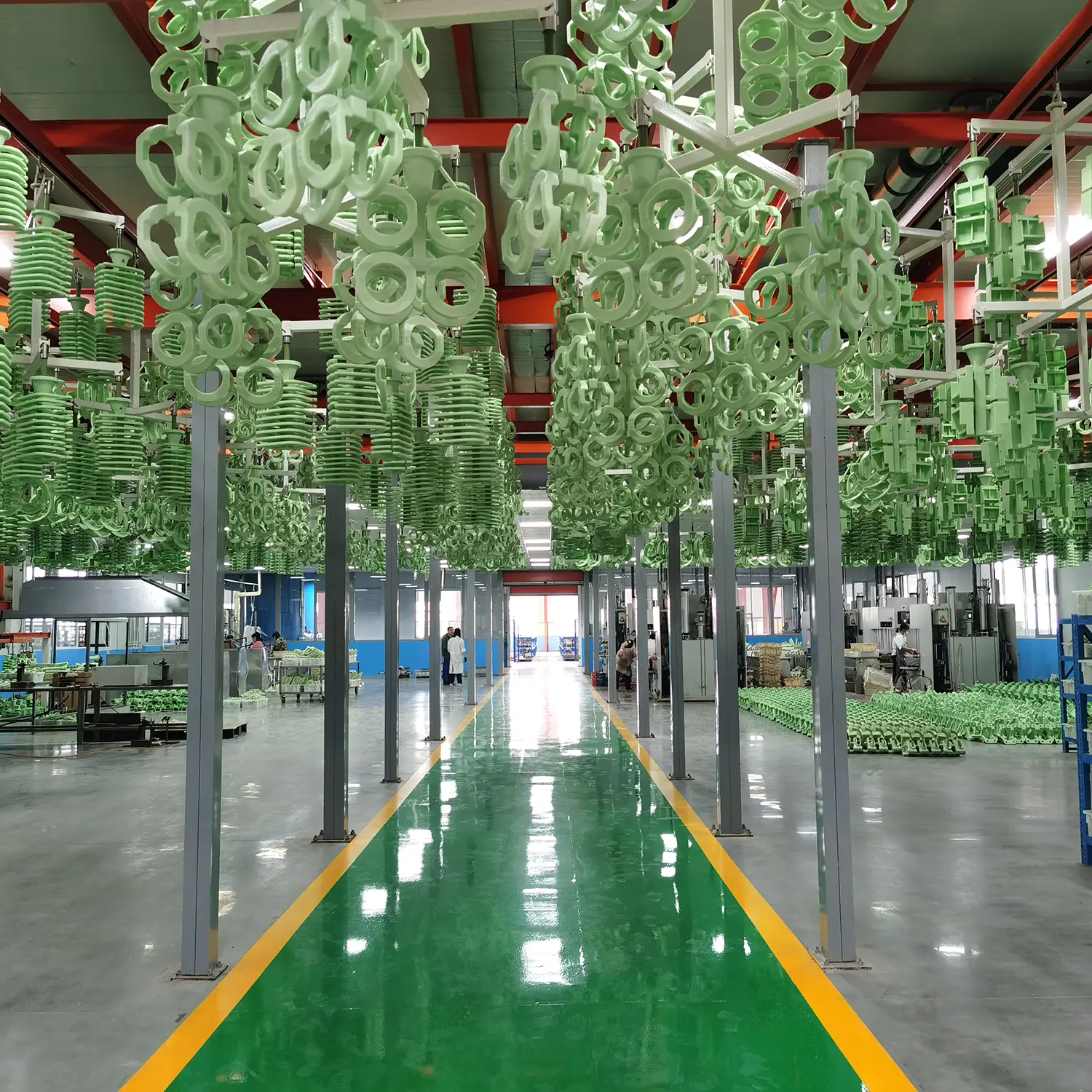
Foundry Inside — how a G20Mn5 casting is made
Four stops between your pattern and a machined node that passes a −30 °C impact test. Melt control, mould discipline, heat treatment and inspection each own one variable on the final mill test report, which is why a G20Mn5 casting is only as good as the shop that poured it.
Applications chosen for one reason: welded and loaded
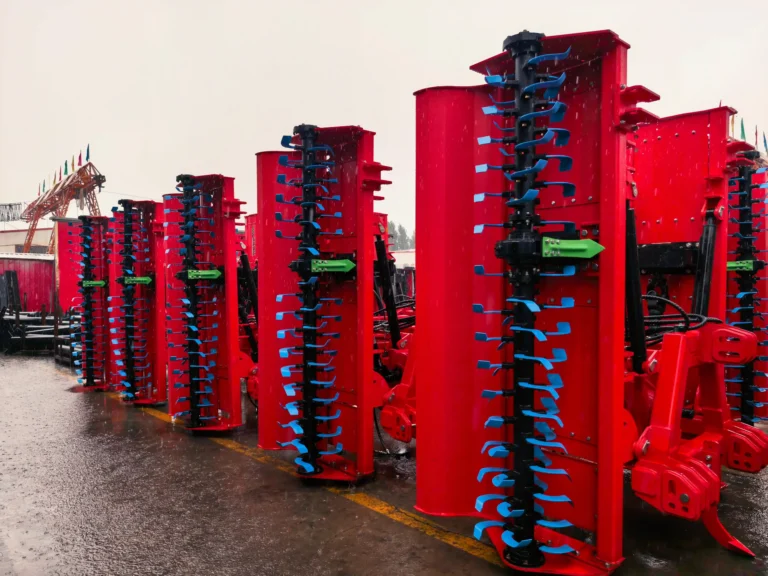
The shortlist below is the work a G20Mn5 steel casting is actually bought for — geometry too complex to machine from plate, and loads too real to weld mild steel into.
Leesh Holdings — G20Mn5 casting service from Shenyang
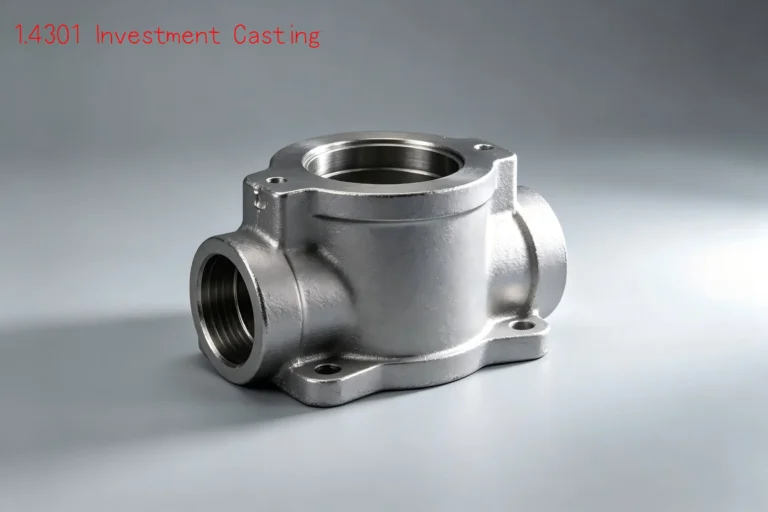
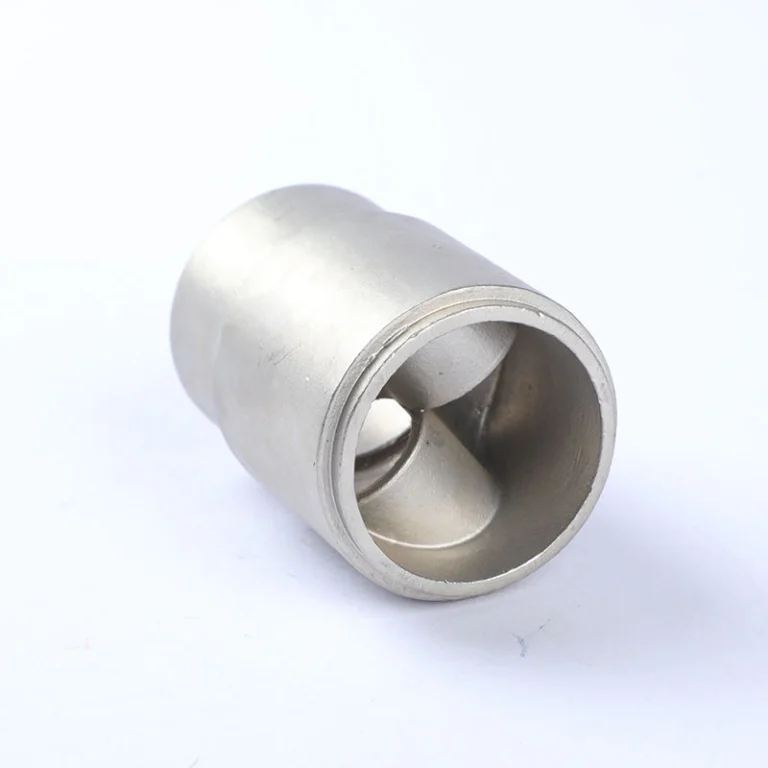
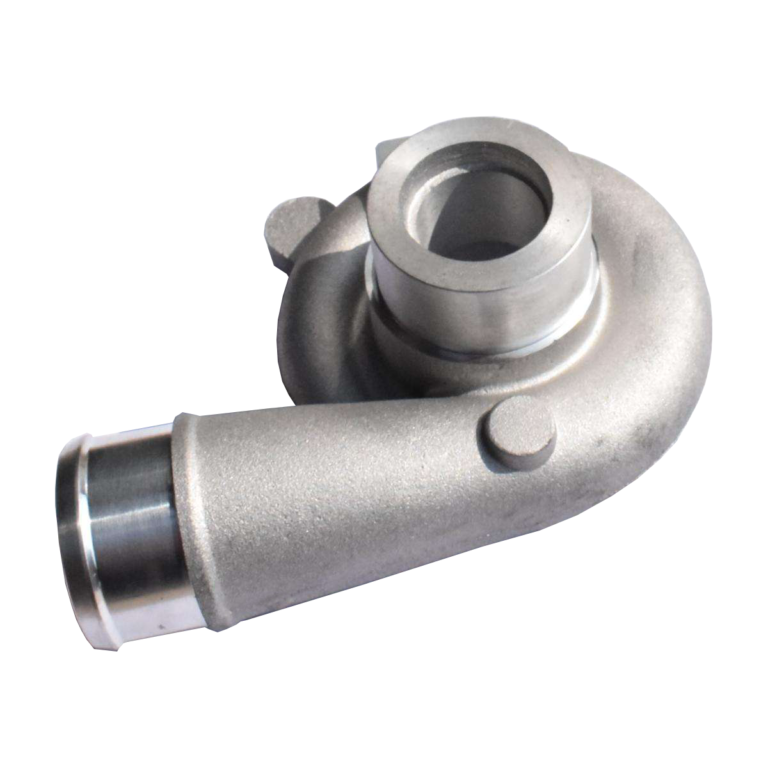
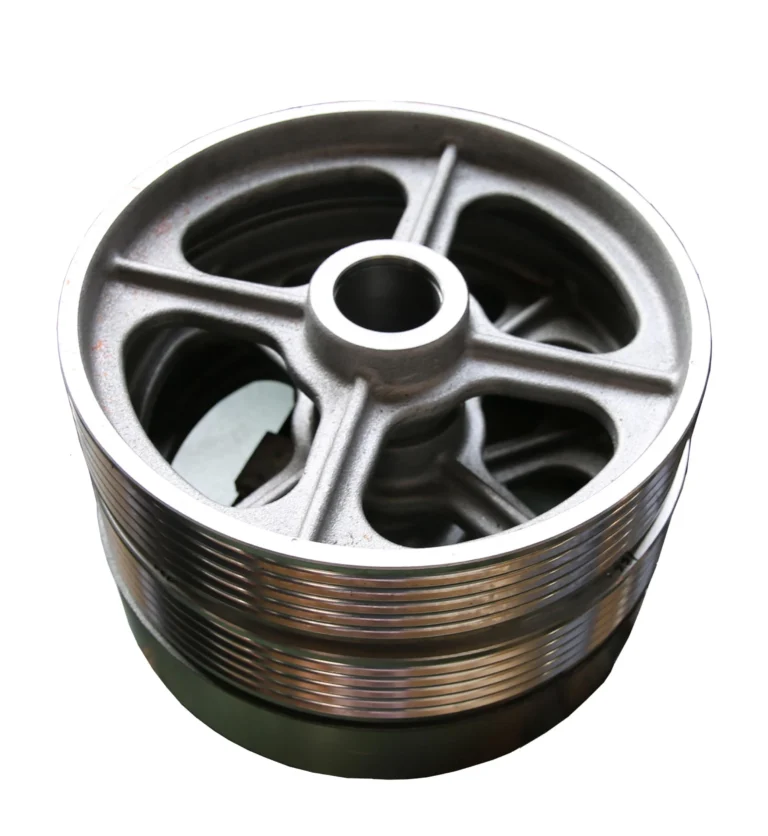
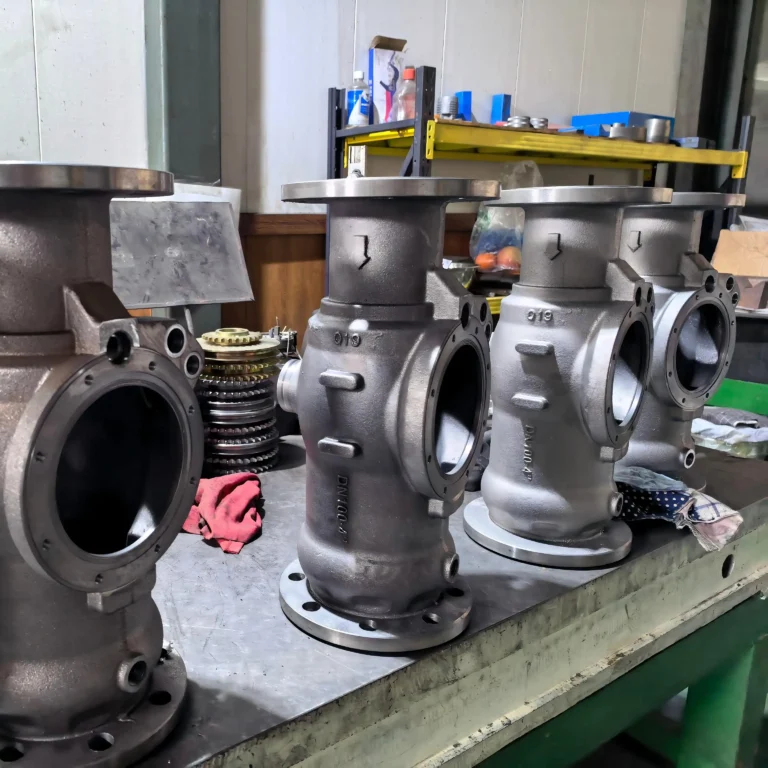
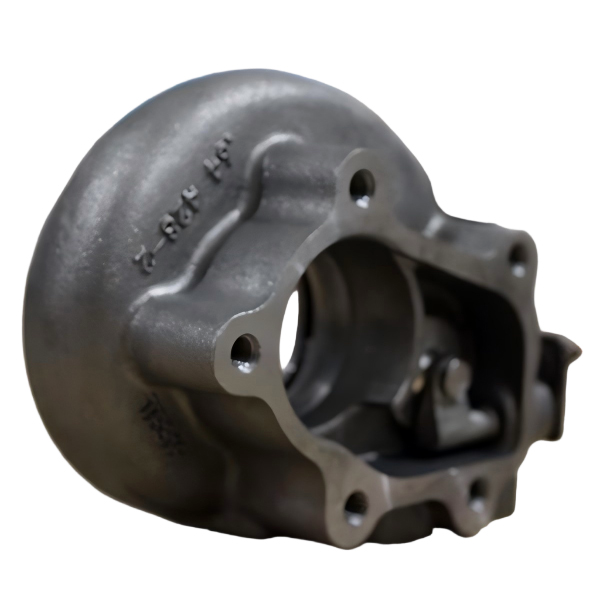
Leesh Holdings Co., Ltd. is an engineering and manufacturing group based in China's heavy-industry centre of Shenyang, supplying cast steel through investment (lost-wax) casting, sand casting and die casting, together with forging and machining. If a drawing calls out 1.6220, GS-20Mn5, ZG20SiMn or AS 2074/L1A, this is a routine pour for us rather than a special project.
G20Mn5 is one of our most frequently poured cast steels
Low-alloy manganese cast steel sits in the middle of our order book because it solves the same problem for four different industries at once: a structural node that must be welded, a housing that must survive impact, a pressure body that must work cold, and a wear part that must not crack at the corners. The melt practice, the normalising charge and the welding procedure are all already qualified, which shortens lead time on a G20Mn5 casting compared with a genuinely exotic alloy.
Five steps from drawing to shipped casting
- Grade confirmation. We read the drawing, then agree the acceptable designation set (EN 1.6220, GB/T 7659 ZG20SiMn, ASTM A148 Gr. 80-50, AS 2074/L1A) and the delivery condition in writing.
- Solidification review. Wall thickness, hot spots, riser layout, and where the separately cast test block will sit so the test record represents the duty section.
- Pour and heat treatment. Melt with chemistry control on C, Mn, P and S, then normalise or quench and temper to the chosen condition.
- Test and NDT. Tensile plus V-notch impact at the contract temperature, magnetic-particle and ultrasonic coverage on the machined surfaces and weld preparations.
- Machining and packing. Datum-controlled machining, rust preventive, and export crating sized for the freight mode you nominated.
Typical first response is a mark-up of the casting with the parting line, machining allowance and test-block position flagged — so you see the plan before you see a price.
| Parameter | Range we work in |
|---|---|
| Single casting weight | Small investment-cast fittings up to heavy sand-cast structural sections; quote the actual mass and we confirm the mould line. |
| Section thickness | Thin-walled cored geometry through to heavy sections where the EN 10293 thickness tiers must be applied to the property claim. |
| Delivery condition | +N (normalised) or +QT (quenched and tempered), stated on the drawing. |
| Impact testing | V-notch at room temperature, 0 °C, −20 °C, −30 °C or −40 °C as the contract requires. |
| Machining | As-cast, rough machined, or finish machined to drawing with datum features. |
| Welding support | Weld repair procedure guidance, preheat and interpass records, NDT of repaired zones. |
Questions engineers ask before specifying G20Mn5
Send us the node drawing
Attach a STEP, IGES or a marked PDF, name the grade and delivery condition, and tell us the impact temperature. You will get a castability review and a priced lead time rather than a generic catalogue reply.
Direct contact
The button opens a pre-filled message addressed to the email above. Attach the drawing in your mail client.
Send these five items with the enquiry
- Drawing or model — STEP, IGES or a marked-up PDF, with machining datums shown.
- Grade and standard — G20Mn5 / 1.6220, or the accepted national counterpart (ZG20SiMn, ASTM A148 Gr. 80-50, AS 2074/L1A).
- Delivery condition — +N normalised or +QT quenched and tempered.
- Section and mass — maximum wall thickness plus single-casting weight, so the right property tier applies.
- Test and quantity — impact temperature, NDT scope, annual volume and target port.
Anything missing from that list we will ask for once, rather than quote on a guess.