Foundry Insight · Heat-Resistant Cast Steel 1.4777
GX130CrSi29 Casting, Explained from Inside the Foundry
How a China foundry melts, molds, machines and certifies the 27-30% chromium wear steel behind furnace grates, retorts and burner hardware.
What a GX130CrSi29 Casting Actually Is
Every GX130CrSi29 casting starts from the same recipe: 1.2-1.4% carbon and 27-30% chromium, catalogued as material number 1.4777 under EN 10295 and known to older drawings as G-X 130 CrSi 29. On the shop floor the grade sits between a wear alloy and a heat alloy — chromium grows a tight oxide scale that survives 1100°C in air, while carbon locks part of that chromium into very hard carbides.
Most buyers meet this steel as a line on a datasheet. This page shows the other side: what happens between the drawing and the delivered casting, and what to write on a purchase order so the part performs in a real furnace.
Chemistry That Does Two Jobs at Once
C 1.2-1.4%
Forms a dense chromium-carbide network — the source of the grade's extreme wear resistance, and the reason heavy welding needs a qualified procedure.
Cr 27-30%
Builds and re-heals the protective scale: rated for 1100°C in oxidizing air, 1050°C in reducing atmospheres (EN 10295).
Si 1.0-2.5%
Deoxidizes the melt and helps the oxide scale stay put during thermal cycling.
Mn ≤1.0% · Mo ≤0.5%
Residuals (P ≤0.035%, S ≤0.030%) held tight so heavy sections stay sound through shakeout.
GX130CrSi29 Casting in Global Standards
- Europe: EN 10295 designation GX130CrSi29, material number 1.4777 — successor to DIN 17465's G-X 130 CrSi 29.
- China: GB/T 8492-2014 lists ZGCr29Si2 with the same carbon and chromium windows; the two grades are interchangeable on paper.
- USA: no twin. ASTM A297 grade HC (UNS J92605) shares the 26-30% chromium band but caps carbon at 0.50%.
- Australia: AS 2074 grade H4A covers the chromium range with the same carbon gap — treat both as comparison grades unless a technical agreement says otherwise.
- ISO and Japan: the designation carries over as GX130CrSi29 (ISO 11973); Japanese handbooks list JIS G 5122 SCH6 as an approximate counterpart.
Write “chemistry per EN 10295 (or GB/T 8492-2014) for 1.4777” on the purchase order. That single line prevents most grade disputes before they start.
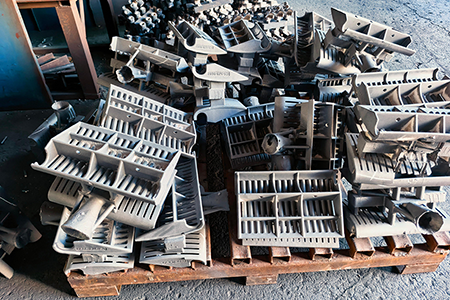
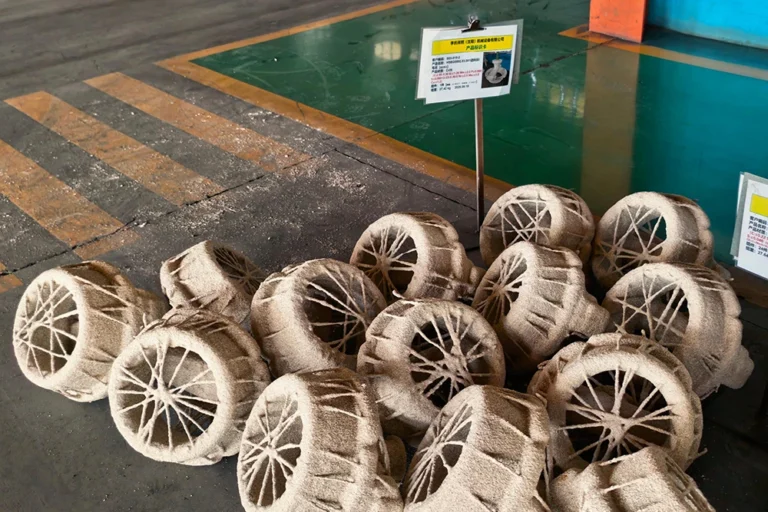
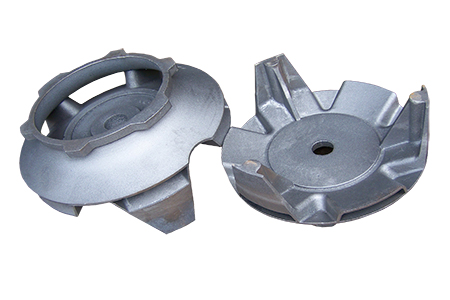
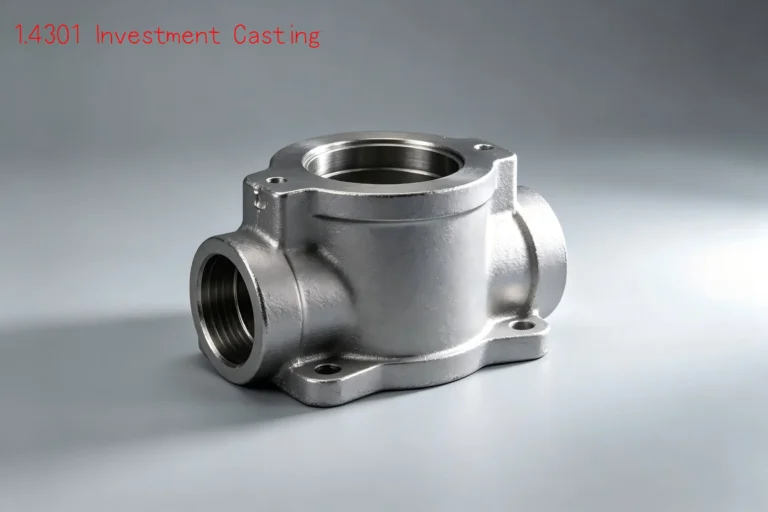
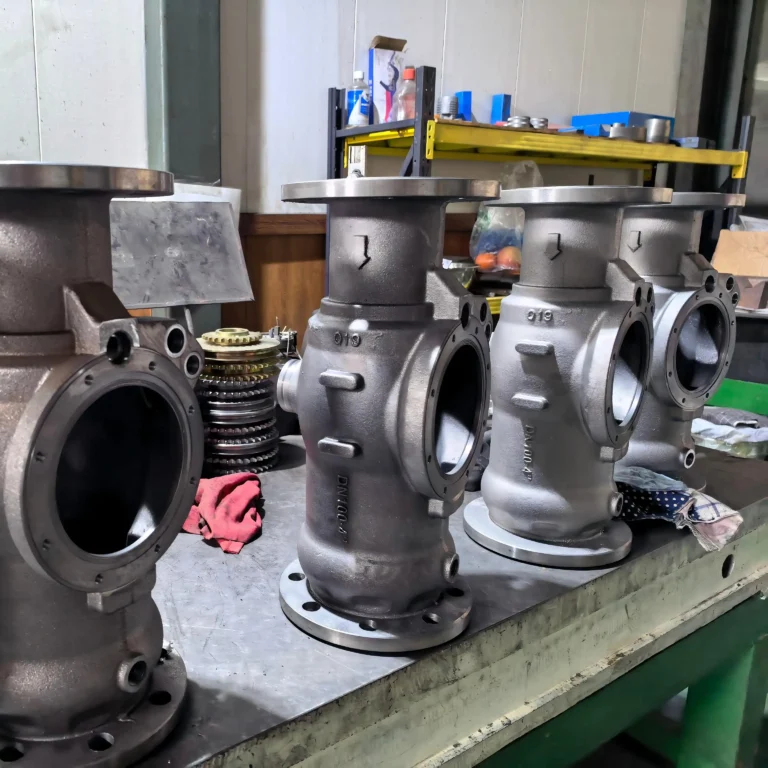
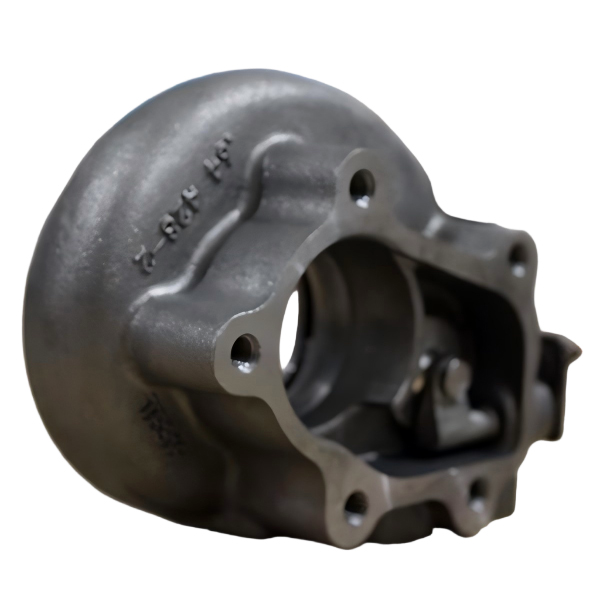
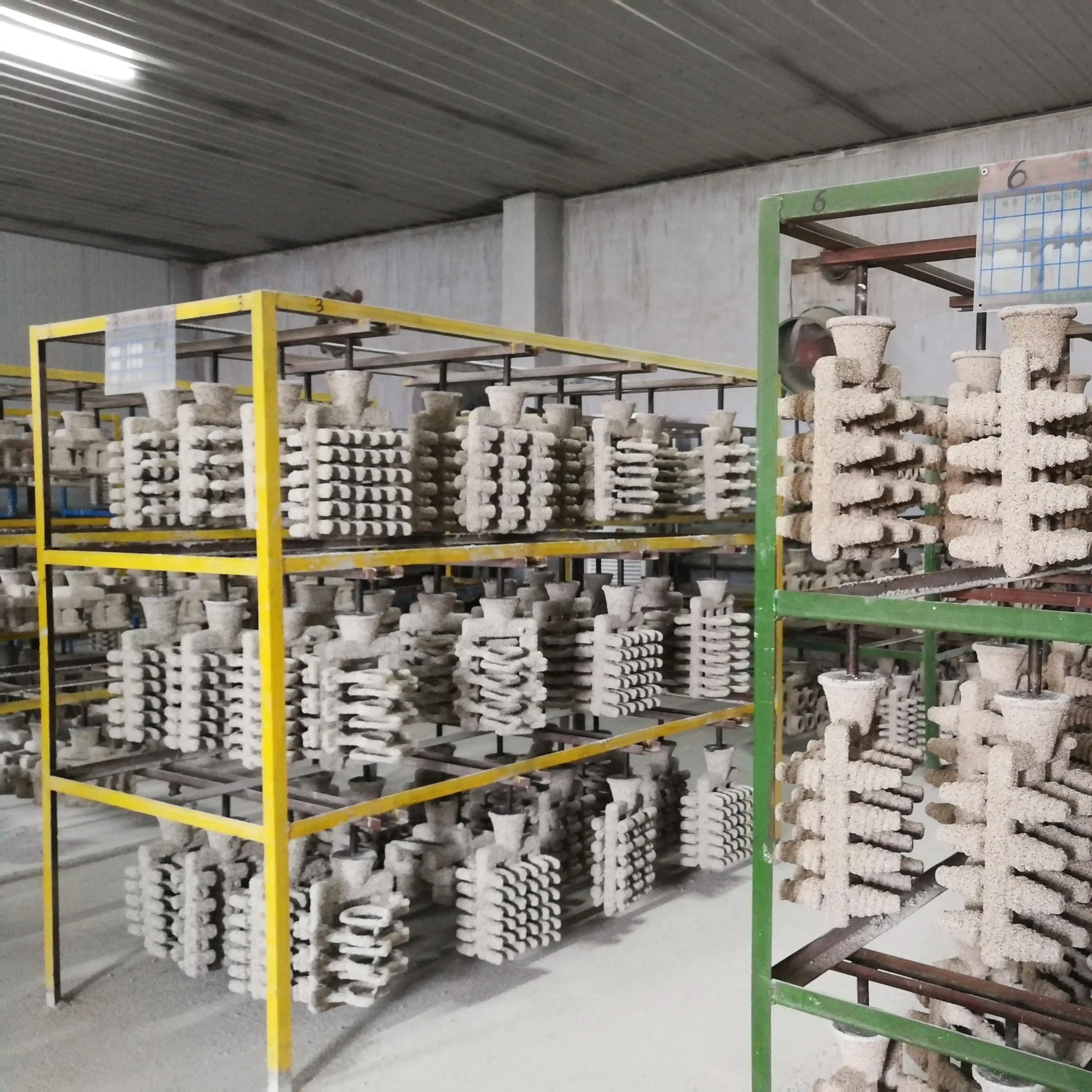
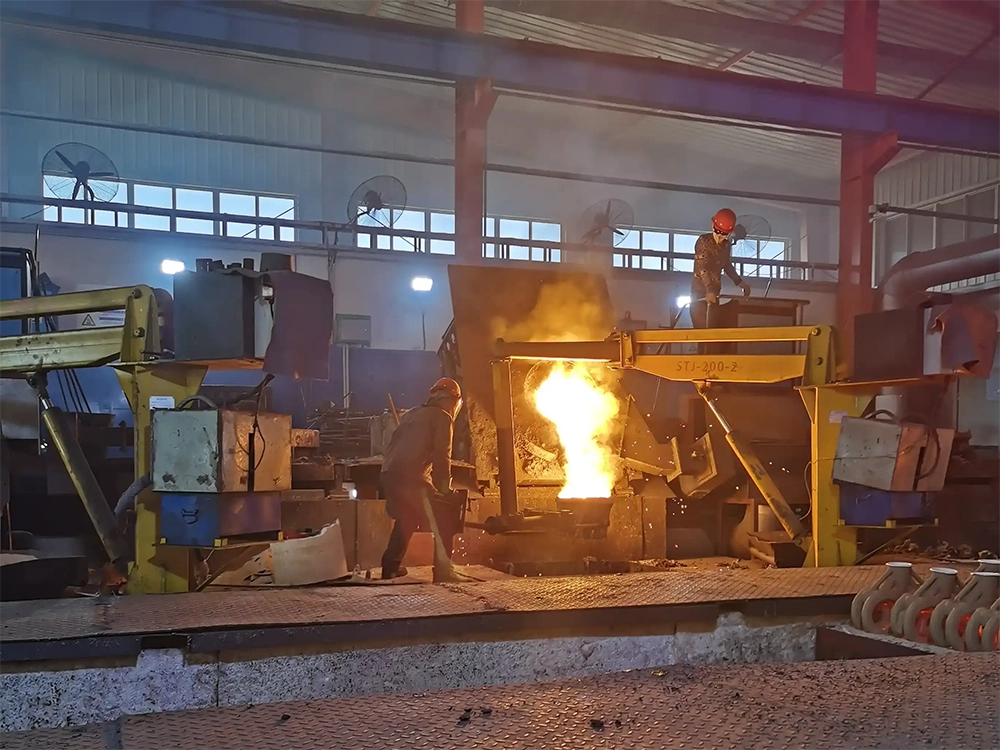
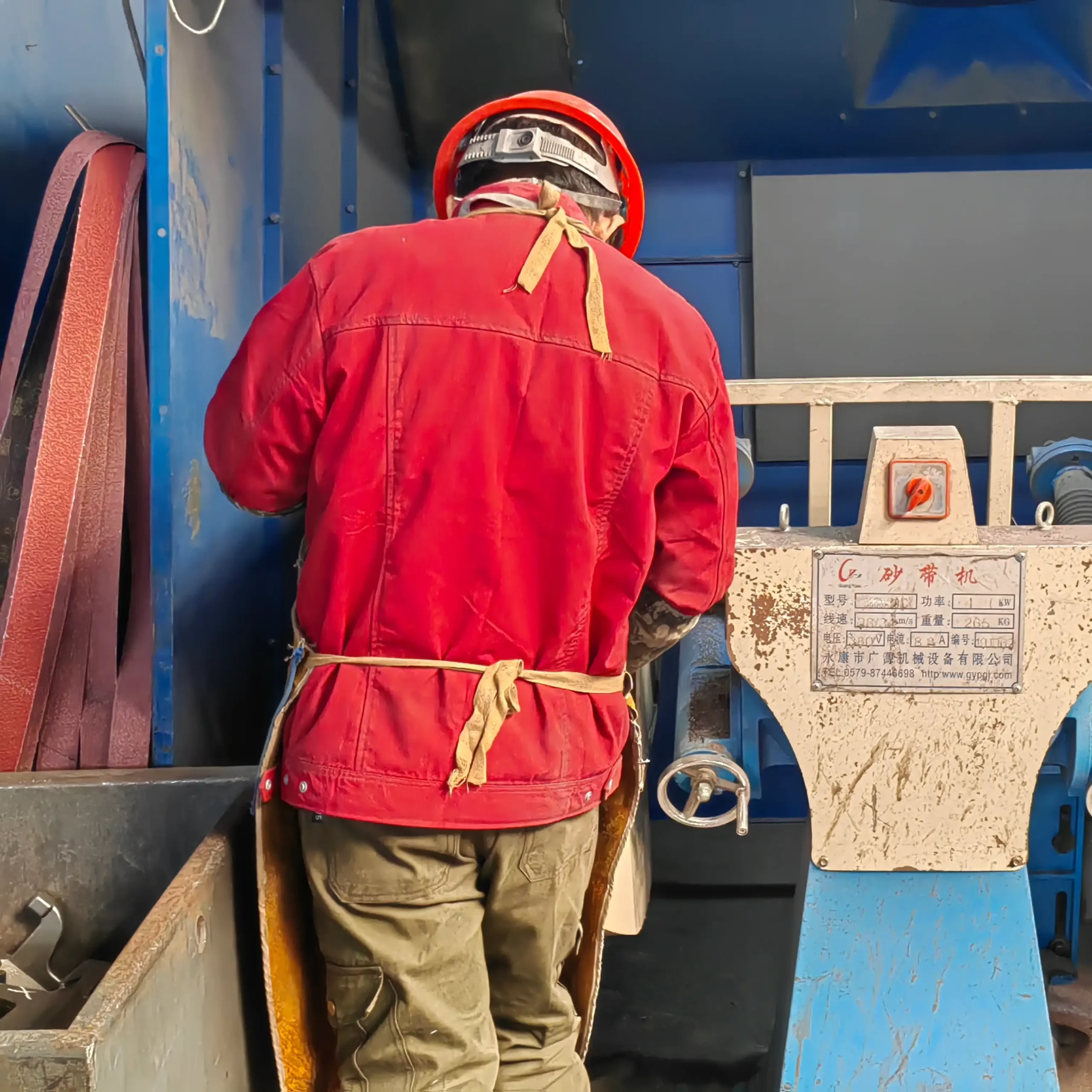
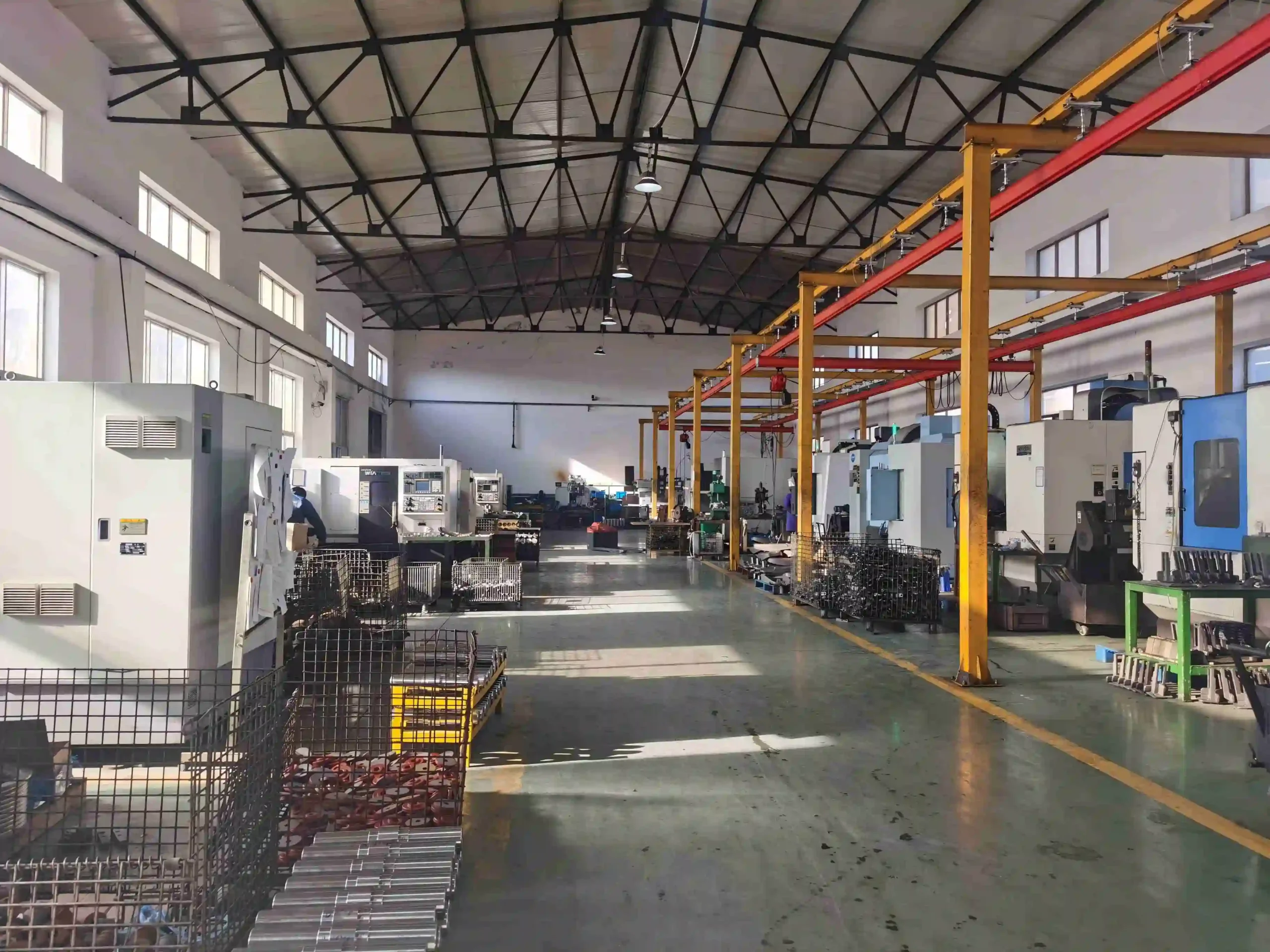
Foundry Inside: Four Steps Behind Every GX130CrSi29 Casting
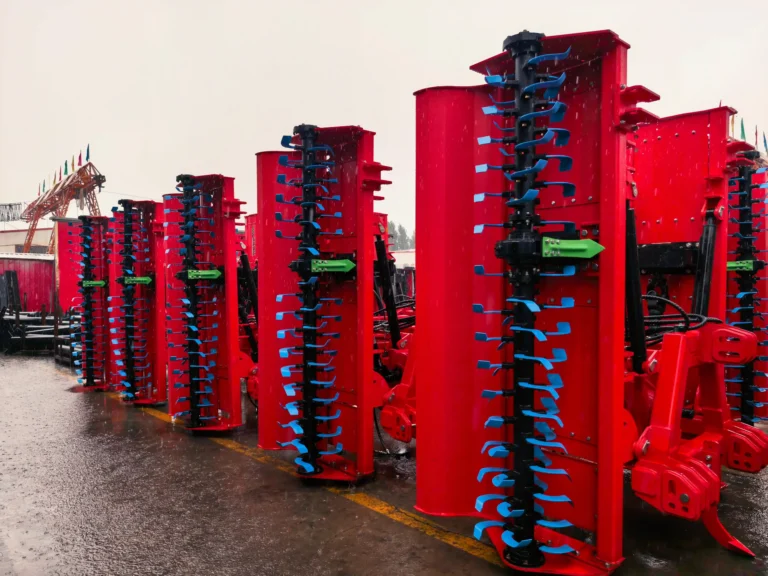
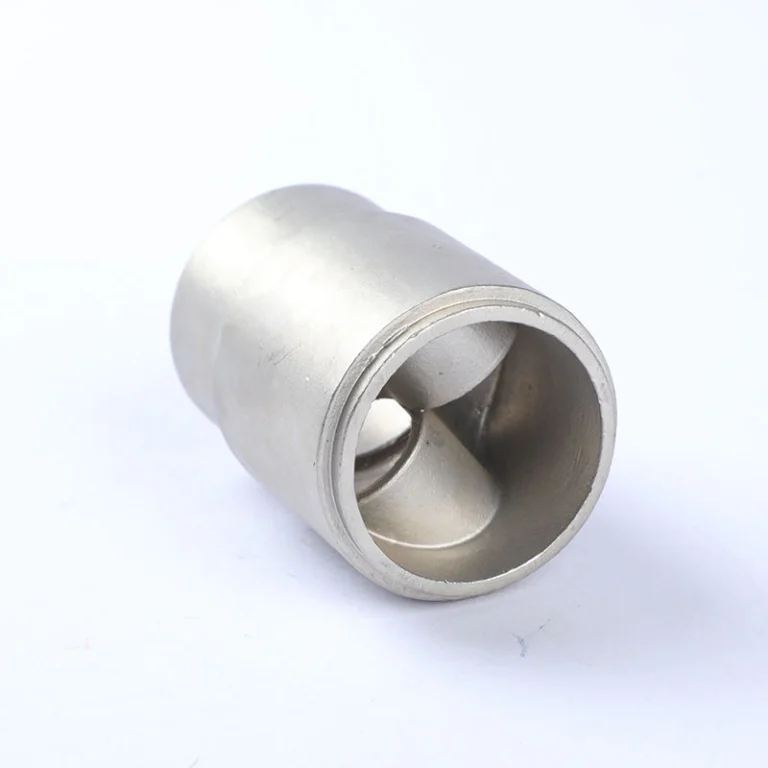
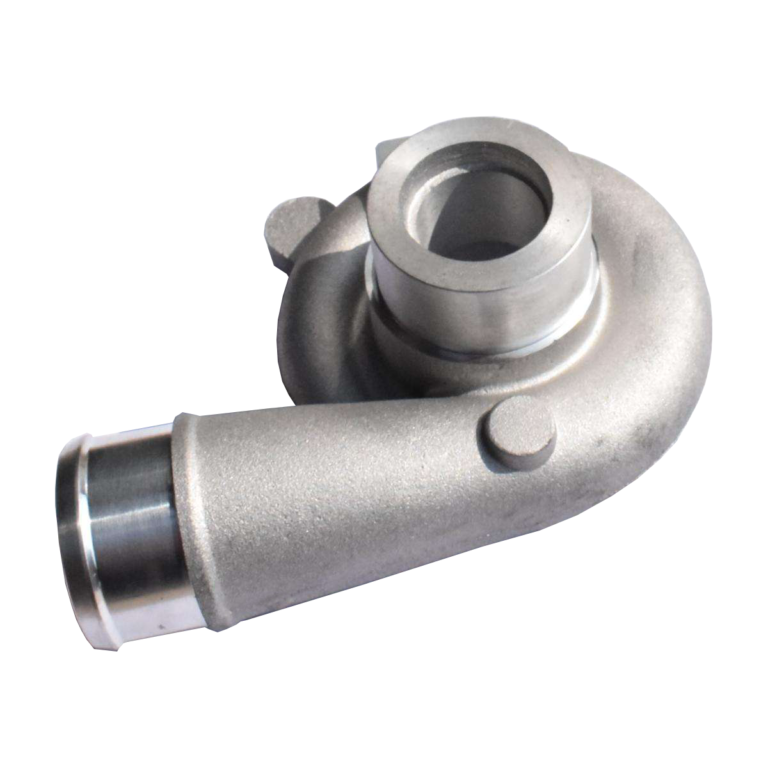
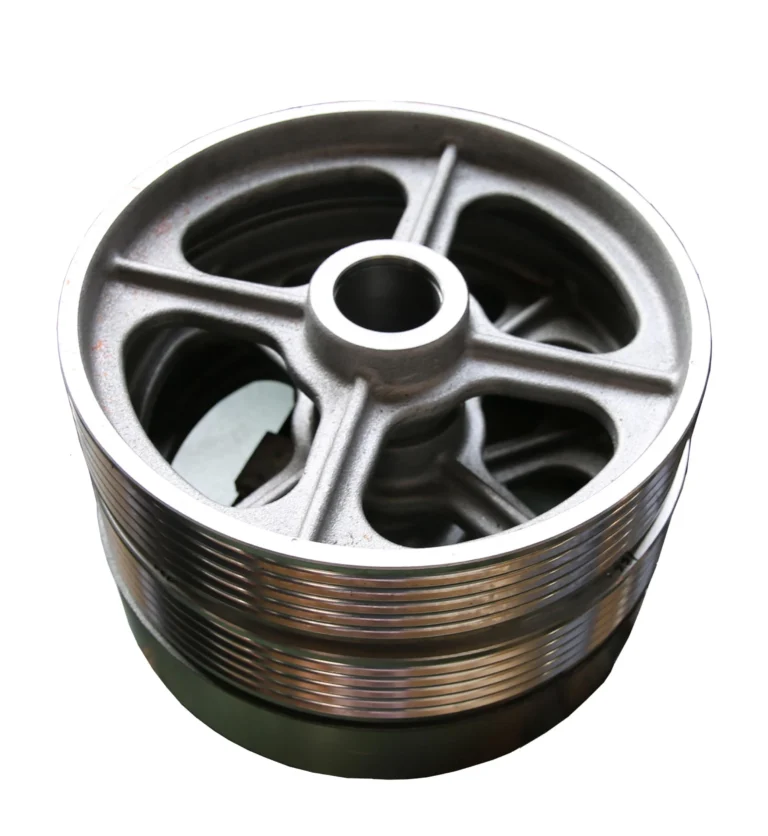
Four stages decide how a 1.4777 casting behaves in your furnace. The photos below come from our production floor.
Where the Castings Go to Work
- Grate bars and plates for incineration, sintering and burning systems
- Annealing retorts, hearth plates and furnace trays
- Burner drums, burner nozzles and combustion hardware
- Agitator arms and teeth for pyrite roasting and calcining lines
- Slide bars, feed racks and chutes moving hot, abrasive material
- Kiln protection rings and boiler supports
Questions Buyers Ask
Can you pour my GX130CrSi29 casting from ZGCr29Si2 or 1.4777 drawings?
Yes. The three designations describe the same chemistry. Send the drawing and name the acceptance standard you prefer — we certify to EN 10295 or GB/T 8492-2014 accordingly.
Why is carbon content such a big deal in this grade?
Carbon is what makes the casting wear-resistant: at 1.2-1.4% it ties chromium into hard carbides. Comparison grades such as ASTM A297 HC or AS 2074 H4A keep the chromium but cap carbon at 0.50% — they resist scaling yet wear much faster. Match the carbon to your wear problem, not just the chromium number.
How do I get a quote?
Email david.lee@leesh.cn with a PDF or STEP drawing, the service temperature and the quantity. You will receive a per-part price, the proposed casting route and the certificate options.
Is a GX130CrSi29 casting weldable?
Only with a qualified procedure — preheat, low-hydrogen consumables and controlled cooling. Where possible, design weld-on features out of the part; we are happy to review the drawing before you commit.
Talk to the Foundry
Send your drawing to david.lee@leesh.cn — the reply will cover price, casting route (sand, investment or lost foam) and certificate options.
Email david.lee@leesh.cn See the GX130CrSi29 Casting product page
Leesh Holdings — GX130CrSi29 casting (1.4777 / ZGCr29Si2), China. chinafoundrygroup.com