Worldwide Cross-Reference of Stainless Steel Standard Grades
Match any stainless steel grade across eight standard systems in seconds — then turn that grade into a precision stainless steel casting with Leesh.
Send Inquiry by Email View the Full TableWhat This Worldwide Cross-Reference of Stainless Steel Standard Grades Covers
The Worldwide Cross-Reference of Stainless Steel Standard Grades on this page compares 57 widely used stainless steels across eight standard systems in one view. If your drawing calls out 0Cr18Ni9, your supplier quotes SUS304 and your end customer specifies ASTM 304, a single row shows that they — together with 304S31, X5CrNi18-10, Z7CN18.09, 08KH18H10 and ISO grade 11 — all describe the same 18Cr–8Ni steel. That is exactly the day-to-day translation work this worldwide cross-reference was built for.
Why a Stainless Steel Grade Cross-Reference Matters
Global Sourcing
RFQs cross borders long before castings do. Reading one grade row across GB, JIS, ASTM, BS, DIN, NF, GOST and ISO lets you compare quotations that use different designations for the same steel.
Substitution & Approval
When a stocked grade must replace an out-of-stock one, the table identifies the closest equivalent in each system — so you can propose a swap with evidence instead of guesswork.
Clean Documentation
Purchase orders, EN 10204 material certificates and inspection plans stay consistent when drawing, PO and mill certificate all point to the same grade — in whatever system each party uses.
The Complete Stainless Steel Grade Comparison Table (GB · GOST · JIS · ASTM · BS · DIN · NF · ISO)
Read across each row to match one grade in every system. A dash (–) means the compiled source standards list no direct equivalent. The table keeps the numbering of the original editions — GB 1220-92, GOST 5632-72, JIS G4303-91, ASTM A276-96, BS 970 Part 1 / BS EN 10088-1-95, DIN 17400-96 / DIN EN 10088-1-95, NF A35-578-91 / NF EN 10088-1-95 and ISO 683/13-86 — so you can cite it directly on drawings and purchase orders.
| ChinaGB 1220-92 | RussiaGOST 5632-72 | JapanJIS G4303-91 | USAASTM A276-96 | UKBS 970 Pt 1 · BS EN 10088-1-95 | GermanyDIN 17400-96 · DIN EN 10088-1-95 | FranceNF A35-578-91 · NF EN 10088-1-95 | ISO683/13-86 · TR 4956-84 |
|---|---|---|---|---|---|---|---|
| Austenitic & Duplex Stainless Steels — 200 / 300 Series | |||||||
| 1Cr17Mn6Ni5N | – | SUS201 | 201 | X12CrMnNiN17-7-5 | X12CrMnNiN17-7-5 | X12CrMnNiN17-7-5 | A-2 |
| 1Cr18Mn8Ni5N | 12KH17G9AH4 | SUS202 | 202 | X12CrMnNiN18-9-5 | X12CrMnNiN18-9-5 | X12CrMnNiN18-9-5 | A-3 |
| 1Cr17Ni7 | – | SUS301 | 301 | 301S21 | – | Z12CN17.07 | 14 |
| 1Cr18Ni9 | 12KH18H9 | SUS302 | 302 | 302S31 | X12CrNi18-9 | Z10CN18.09 | 12 |
| Y1Cr18Ni9 | – | SUS303 | 303 | 303S31 | X12CrNiS18-9 | Z10CNF18.09 | 17 |
| Y1Cr18Ni9Se | 12KH18H10E | SUS303Se | 303Se | 303S42 | – | – | 17a |
| 0Cr18Ni9 | 08KH18H10 | SUS304 | 304 | 304S31 | X5CrNi18-10 | Z7CN18.09 | 11 |
| 00Cr19Ni11 | 03KH18H11 | SUS304L | 304L | 304S11 | X2CrNi19-11 | X2CrNi19-11 | 10 |
| 0Cr19Ni9N | – | SUS304N1 | 304N | – | – | – | – |
| 0Cr19Ni10NbN | – | SUS304N2 | XM21 | – | – | – | – |
| 00Cr18Ni10N | – | SUS304LN | – | X2CrNiN18-10 | X2CrNiN18-10 | X2CrNiN18-10 | 10N |
| 1Cr18Ni12 | 12KH18H12T | SUS305 | 305 | X4CrNi18-12 | X4CrNi18-12 | X4CrNi18-12 | 13 |
| 0Cr23Ni13 | – | SUS309S | 309S | – | – | Z15CN23-13 | 15 |
| 0Cr25Ni20 | – | SUS310S | 310S | 310S31 | – | Z8CN25-20 | 16 |
| 0Cr17Ni12Mo2 | 08KH17H13M2T | SUS316 | 316 | 316S31 | X5CrNiMo17-12-2 | Z7CND17-12-2 | 20, 20a |
| 0Cr18Ni12Mo2Ti | 08KH17H13M2T | SUS316Ti | 316Ti (S31635) | 320S31 | X6CrNiMoTi17-12-2 | X6CrNiMoTi17-12-2 | 21 |
| 00Cr17Ni14Mo2 | 03KH17H14M2 | SUS316L | 316L | 316S13 | X2CrNiMo18-14-3 | X2CrNiMo17-12-2 | 19, 19a |
| 0Cr17Ni12Mo2N | – | SUS316N | 316N | X5CrNiMo17-12-2 | X5CrNiMo17-12-2 | X5CrNiMo17-12-2 | 19N |
| 00Cr17Ni13Mo2N | – | SUS316LN | 316LN | X2CrNiMo17-11-2 | X2CrNiMoN17-11-2 | X2CrNiMo17-11-2 | 19aN |
| 0Cr18Ni12Mo2Cu2 | – | SUS316J1 | – | – | – | – | – |
| 00Cr18Ni14Mo2Cu2 | – | SUS316J1L | – | – | – | – | – |
| 0Cr19Ni13Mo3 | 08KH17H15M3T | SUS317 | 317 | 316S33 | X5CrNiMo17-13-3 | – | – |
| 00Cr19Ni13Mo3 | 03KH16H15M3 | SUS317L | 317L | 317S12 | X2CrNiMo18-15-4 | X2CrNiMo18-15-4 | 24 |
| 0Cr18Ni16Mo5 | – | SUS317J1 | – | – | – | – | – |
| 1Cr18Ni9Ti | 12KH18H10T | – | 321 | 321S31 | X6CrNiTi18-10 | X6CrNiTi18-10 | 15 |
| 0Cr18Ni10Ti | 08KH18H10T | SUS321 | 321 | 321S31 | X6CrNiTi18-10 | X6CrNiTi18-10 | 15 |
| 0Cr18Ni11Nb | 08KH18H12B | SUS347 | 347 | 347S31 | X6CrNiNb18-10 | X6CrNiNb18-10 | 16 |
| 0Cr18Ni9Cu3 | – | SUSXM7 | XM7 | X3CrNiCu18-9-4 | X3CrNiCu18-9-4 | X3CrNiCu18-9-4 | – |
| 0Cr18Ni13Si4 | – | SUSXM15J1 | XM15 | – | – | – | – |
| 0Cr26Ni5Mo2 | – | SUS329J1 | – | – | – | – | – |
| 1Cr18Ni11Si4AlTi | 15KH18H12G4TYU | – | – | – | – | – | – |
| Ferritic & Martensitic Stainless Steels — 400 Series | |||||||
| 0Cr13Al | – | SUS405 | 405 | 405S31 | X6CrAl13 | X6CrAl13 | 5 |
| 00Cr12 | – | SUS410L | – | – | – | Z3CT12 | – |
| 1Cr17 | 12KH17 | SUS430 | 430 | 430S17 | X6Cr17 | X6Cr17 | 8 |
| YCr17 | – | SUS430F | – | – | X6CrMoS17 | – | 8a |
| 1Cr17Mo | – | SUS434 | – | X6CrMo17-1 | X6CrMo17-1 | X6CrMo17-1 | 9c |
| 00Cr30Mo2 | – | SUS447J1 | – | – | – | – | – |
| 00Cr27Mo | – | SUSXM27 | XM27 | – | – | – | – |
| 1Cr12 | – | SUS403 | 403 | 410S21 | X6Cr13 | X6Cr13 | 3 |
| 1Cr13 | 12KH13 | SUS410 | 410 | 410S21 | X12Cr13 | – | 3 |
| 0Cr13Al | – | SUS405 | 405 | 403S17 | X6Cr13 | X6Cr13 | 1 |
| Y1Cr13 | – | SUS416 | – | 416S21 | – | X12CrS13 | 7 |
| 1Cr13Mo | – | SUS410J1 | – | – | – | X12CrMo13 | – |
| 2Cr13 | 20KH13 | SUS420J1 | 420 | 420S37 | X20Cr13 | X20Cr13 | 4 |
| 3Cr13 | 30KH13 | SUS420J2 | 420 | 420S37 | X30Cr13 | X30Cr13 | 5 |
| Y3Cr13 | – | SUS420F | – | – | – | – | – |
| 4Cr13 | 40KH13 | – | – | X46Cr13 | X46Cr13 | X46Cr13 | – |
| 1Cr17Ni2 | 14KH17H2 | SUS431 | 431 | 431S29 | X17CrNi16-2 | X17CrNi16-2 | 96 |
| 7Cr17 | – | SUS440A | – | – | – | – | – |
| 8Cr17 | – | SUS440B | – | – | – | – | – |
| 9Cr17 | 95KH18 | SUS440C | – | – | – | – | – |
| 11Cr17 | – | SUS440C | – | – | – | – | – |
| Y11Cr17 | – | SUS440F | – | – | – | – | – |
| 9Cr18Mo | – | SUS440C | 440C | – | – | – | – |
| 9Cr18MoV | – | – | – | X90CrMoV18 | X90CrMoV18 | X90CrMoV18 | – |
| Precipitation-Hardening Stainless Steels — PH Grades | |||||||
| 0Cr17Ni4Cu4Nb | – | SUS630 | S17400 a | – | – | – | 1 b |
| 0Cr17Ni7Al | 09KH17H7YU | SUS631 | S17700 b | X7CrNiAl17-7 | X7CrNiAl17-7 | X7CrNiAl17-7 | 2 b |
a 630 / 631 ASTM designations per ASTM A564M-95. b Precipitation-hardening grade numbers per ISO 683/16-76. A dash (–) = no direct equivalent listed in the compiled source standards.
How to Read the Table Correctly
- A dash (–) is not a dead end. It only means the compiled standards list no direct equivalent — many of those grades can still be produced to a nearby specification or to your own chemistry.
- Equivalents share typical chemistry, not identical testing. Composition ranges, mechanical values, grain-size and test scope differ between standards, so verify critical applications against the current edition of each standard.
- Cast designations differ from wrought ones. For example, ASTM A351 grades CF8 and CF8M are the cast counterparts of 304 and 316 — ask for the cast grade when the part is a casting.
- Confirm before you substitute. Send us the row you are working with and the service conditions; we will confirm castability and the right specification before you release the drawing.
How to Use This Worldwide Cross-Reference of Stainless Steel Standard Grades
Three steps take you from a designation on a drawing to a quotable stainless steel component.
Find Your Grade
Locate the designation called out on your drawing — Chinese GB, JIS, ASTM or any other system — in the China column or anywhere across the row.
Check the Equivalents
Read across the row to see the same steel in the other seven systems, and note any dash before proposing a substitution to your customer.
Send It to Leesh
Email the drawing together with the grade row — we confirm castability, propose the process route and return a quotation within 24 hours.
From Grade to Finished Part — the Leesh Stainless Steel Casting Service
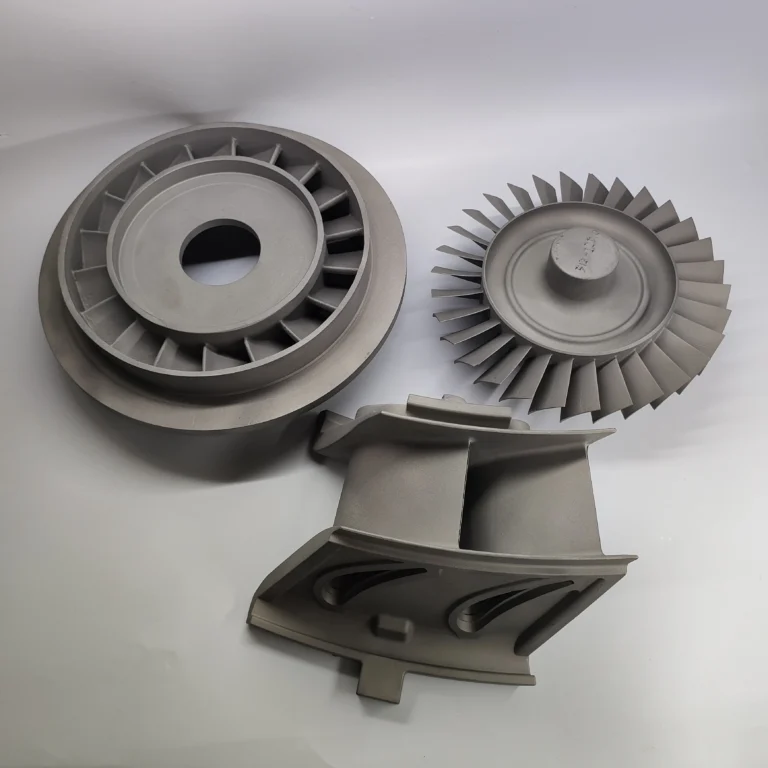
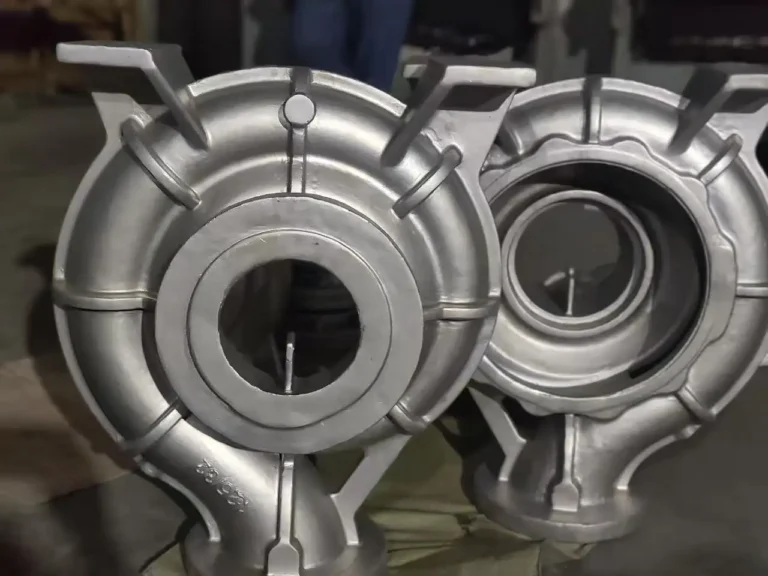
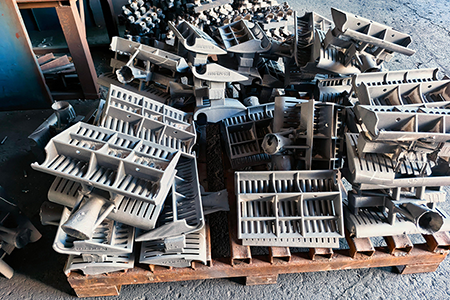
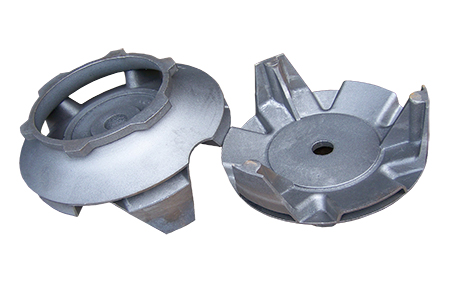
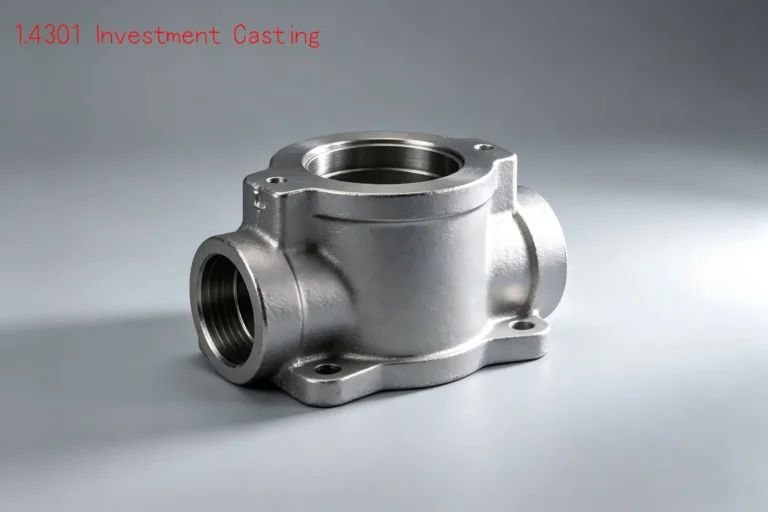
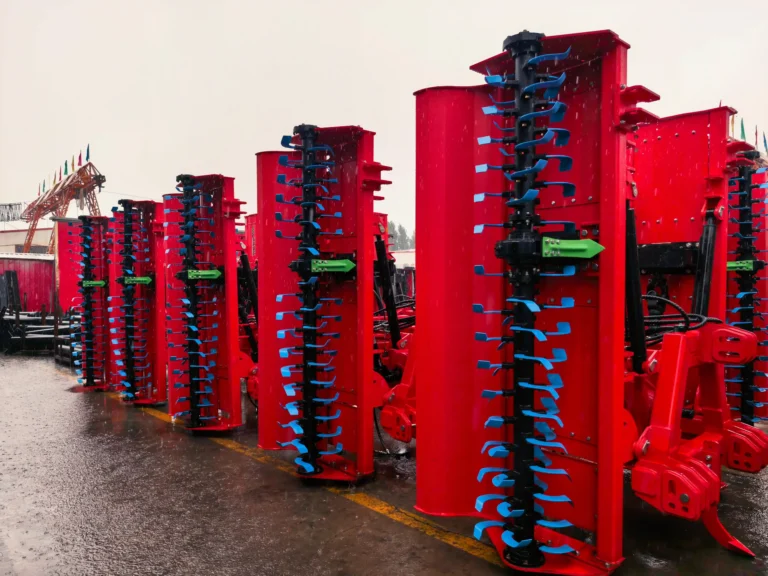
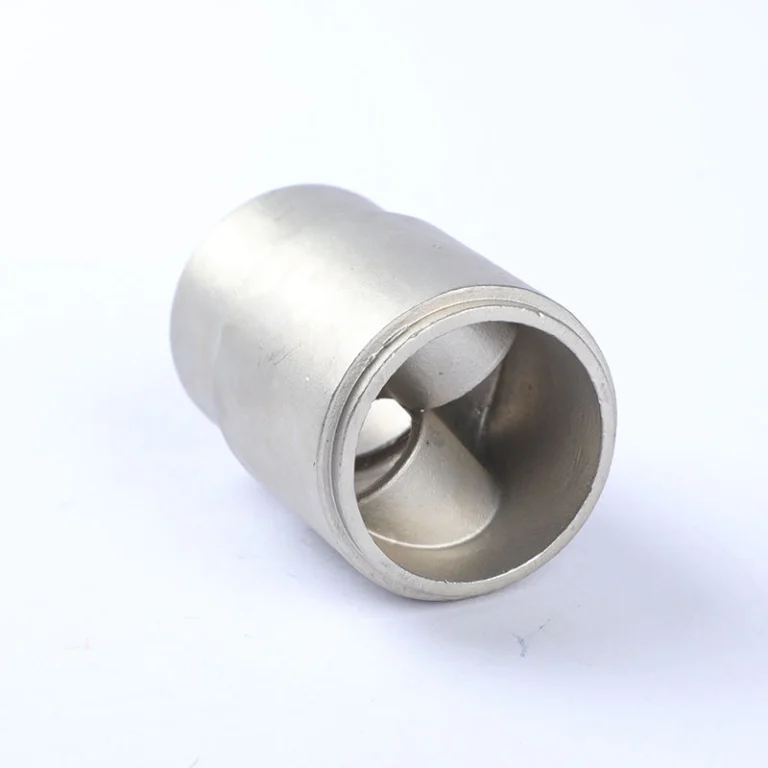
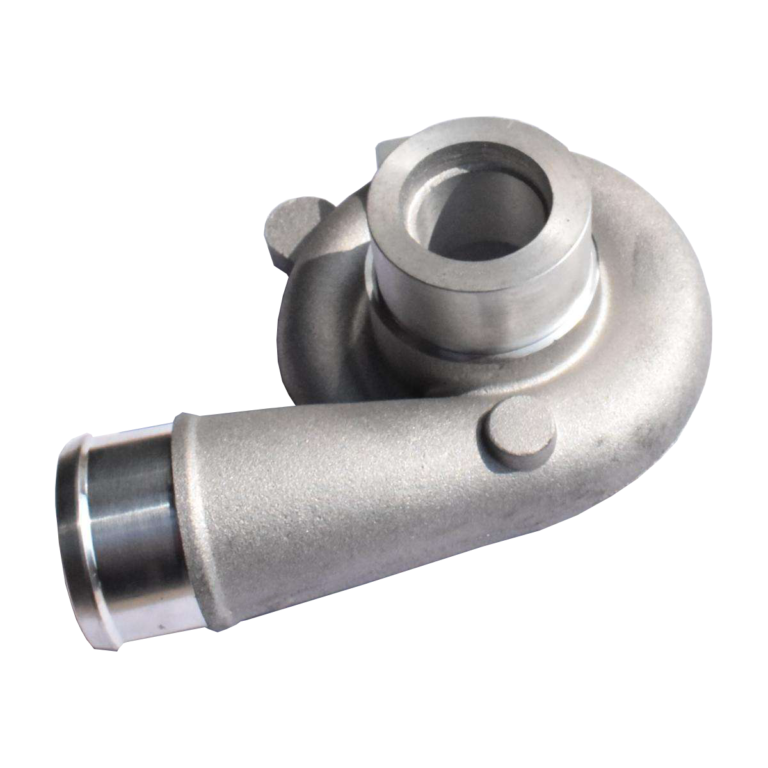
Once the grade is settled, our Investment Casting service turns a line of the table into a real component. Leesh runs both silicon sol and water glass lost wax lines, so we can balance accuracy against budget: stainless steel parts from 0.05 kg to 100 kg with in-house heat treatment, machining, polishing and full inspection — chemistry, mechanical testing and NDT — under one roof. Manufacturers in agricultural machinery, pump & valve, construction, mining and railway equipment rely on us for near-net-shape stainless castings that arrive closer to finished, and every inquiry is answered by an engineer within 24 hours.
Stainless Steel Grades We Cast Every Day
Rows you will meet most often in the cross-reference table are already routine on our foundry floor:
Most other rows in the table above can be arranged on request — send the specification with your inquiry.
Precision Levels You Can Expect
| Process Route | Casting Weight | Tolerance (ISO 8062) | Surface Roughness |
|---|---|---|---|
| Silicon Sol | 0.05 – 50 kg | CT4 – CT6 | Ra 3.2 – 6.3 μm |
| Water Glass | 0.10 – 100 kg | CT6 – CT8 | Ra 6.3 – 12.5 μm |
Final tolerances are confirmed against your drawing during engineering review.
Foundry Inside — Where Your Stainless Steel Grades Become Parts
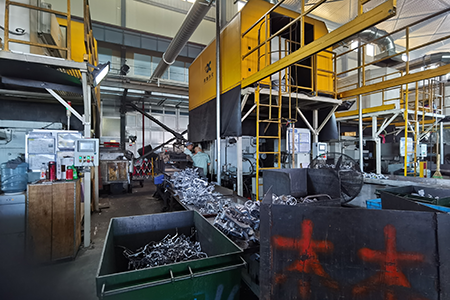
Leesh Holdings — Investment Casting Foundry. A look at the production floor behind every casting we ship — from the first wax pattern to the final inspection report.
Wax Pattern Assembly
Wax patterns injected from aluminum dies are gated onto trees, setting the dimensional DNA of every stainless steel part.
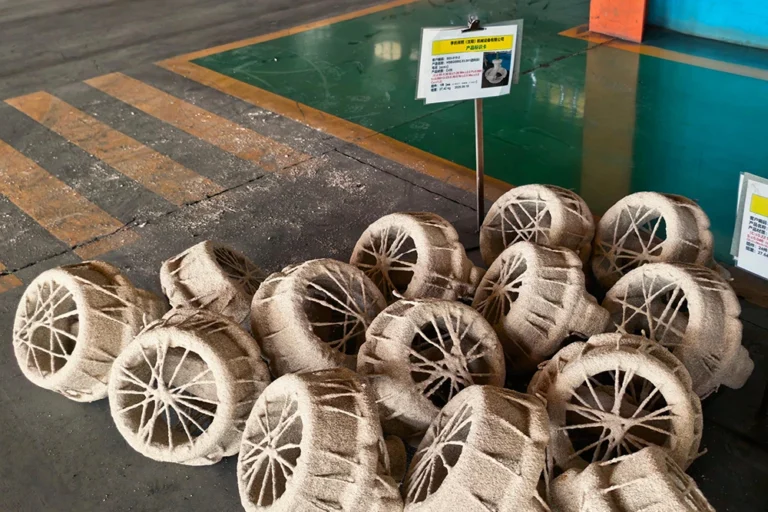
Ceramic Shell Building
Layer after layer of slurry and stucco builds a shell strong enough to hold CT4–CT8 tolerances pour after pour.
Melting & Pouring
Induction melting with chemistry verified before each heat, poured into preheated shells at controlled superheat.
Inspection & Testing
Spectrometer analysis, tensile and impact testing, X-ray and CMM checks — completed in-house before dispatch.
FAQ — Worldwide Cross-Reference of Stainless Steel Standard Grades
The questions buyers ask us most — answered in full, no expanders.
What is the Worldwide Cross-Reference of Stainless Steel Standard Grades?
It is a side-by-side comparison table that maps the same stainless steel grade across eight standard systems — Chinese GB, Russian GOST, Japanese JIS, American ASTM, British BS, German DIN, French NF and ISO. Engineers use it to translate a grade called out on one country's drawing into the designation used by a supplier in another country, and to keep quotations, material certificates and purchase orders pointing at the same steel.
Is SUS304 exactly the same as ASTM 304?
For practical purposes, yes — SUS304, 304, 304S31 and X5CrNi18-10 (1.4301) all describe the familiar 18% chromium – 8% nickel steel, and the table lists them in one row. "Equivalent" means the same family and typical chemistry; each standard still defines its own composition tolerances, mechanical values and test methods, so critical applications should be verified against the current editions.
Which grade should I choose for corrosive environments?
When chlorides or acids are involved, move from the 304 row to the 316 row: the 2–3% molybdenum in 316 / 316L (X2CrNiMo17-12-2, SUS316L) markedly improves pitting resistance. For harsher service, 904L or a duplex grade may be required — send us the medium, temperature and concentration, and we will suggest a grade that is also castable.
Can Leesh cast the grades listed in this table?
Yes. We regularly cast 304 / 304L, 316 / 316L, 321, 347, 410, 420, 430, 17-4 PH and 17-7 PH, plus their cast designations CF8 and CF8M, in weights from 0.05 kg to 100 kg. Most other rows in the table can be arranged on request — send the grade together with your drawing for confirmation.
Are equivalent grades always interchangeable?
No — treat equivalents as a starting point. Chemistry ranges, mechanical requirements, testing scope and even the cast-versus-wrought distinction (for example CF8M versus 316) differ between standards. Use the table to identify candidate grades, then let the foundry confirm feasibility against your service conditions and applicable code.
How do I get a quotation based on my grade?
Email your 2D or 3D drawing, the grade (any of the eight systems is fine), alloy preference and annual quantity to david.lee@leesh.cn. Our engineering team replies with a manufacturability review and a quotation within 24 hours.
Get Your Stainless Steel Castings Quoted in 24 Hours
You have matched the grade — now make the part. Email your 2D or 3D drawing to david.lee@leesh.cn, quote any designation from the Worldwide Cross-Reference of Stainless Steel Standard Grades, and an engineer will reply with manufacturability feedback and a quotation within 24 hours. Looking for a customized stainless steel casting supplier for lost wax casting? Start there.
Email Us for a Free QuoteTable compiled from GB 1220-92 · GOST 5632-72 · JIS G4303-91 · ASTM A276-96 · BS 970 Part 1 / BS EN 10088-1-95 · DIN 17400-96 / DIN EN 10088-1-95 · NF A35-578-91 / NF EN 10088-1-95 · ISO 683/13-86 (PH grades: ISO 683/16-76; ASTM A564M-95). Equivalents are given for guidance only — always confirm against the current official edition before releasing a drawing. Contact: david.lee@leesh.cn · Page last reviewed: October 2026.