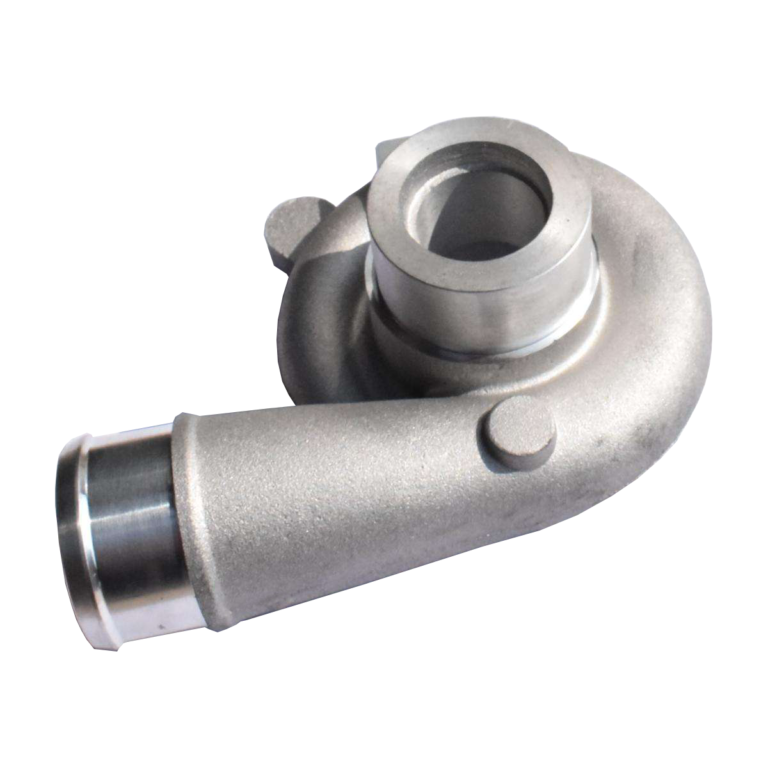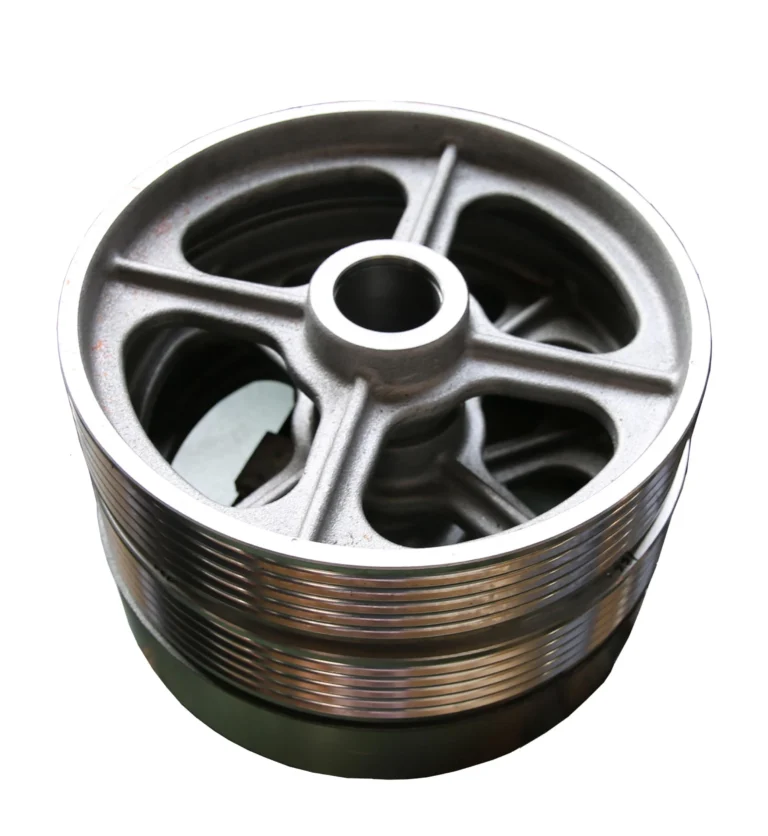
Leesh Sand Casting Process
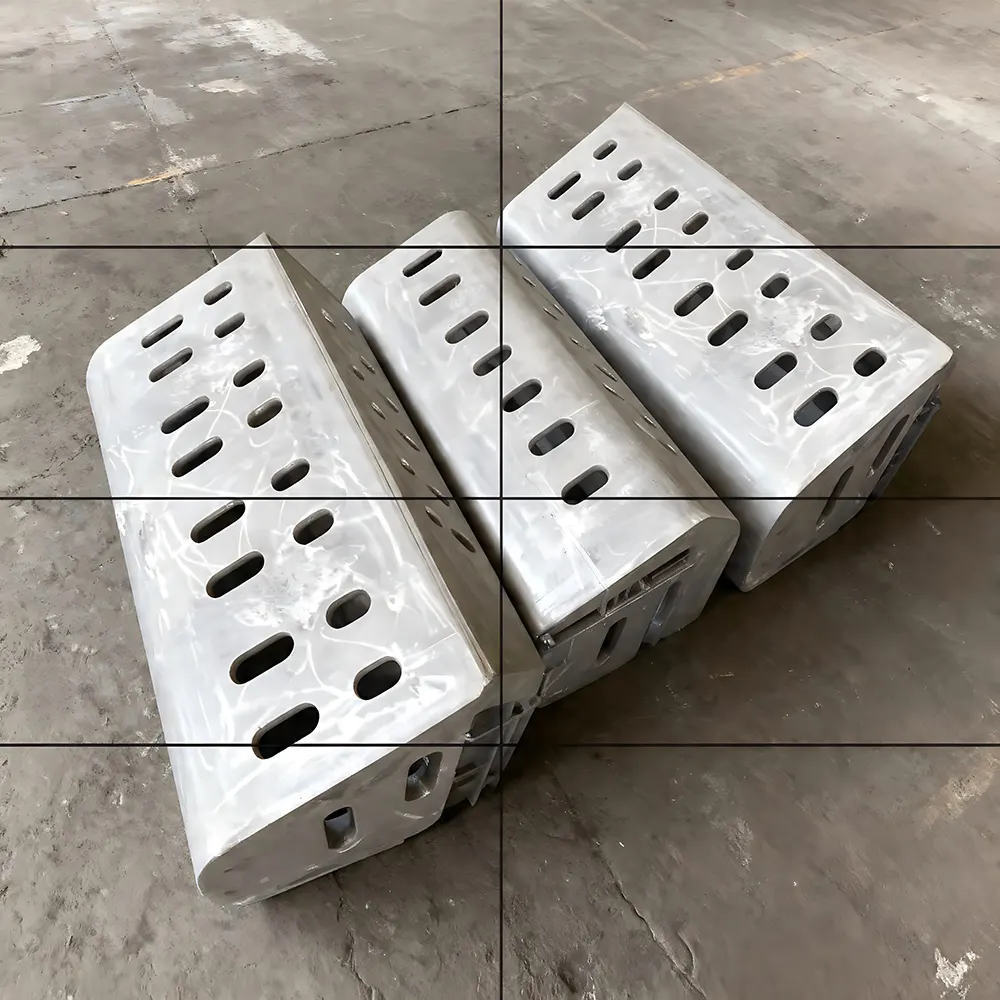
1. 2520 / 310S Stainless Steel Overview
2520 stainless steel, also known as AISI 310S (UNS S31008), is a high-chromium, high-nickel austenitic stainless steel with excellent high-temperature oxidation resistance, carburization resistance, and sulfidation resistance. It is widely used in harsh high-temperature working conditions due to its stable performance under long-term high-temperature exposure (up to 1100°C continuously) and good formability and weldability.
2. Chemical Composition (Typical, wt%)
Element | Content Range |
Carbon (C) | ≤0.030 |
Silicon (Si) | ≤1.50 |
Manganese (Mn) | ≤2.00 |
Phosphorus (P) | ≤0.045 |
Sulfur (S) | ≤0.030 |
Chromium (Cr) | 24.00–26.00 |
Nickel (Ni) | 19.00–22.00 |
3. Mechanical Properties (Room Temperature)
Mechanical Property | Value |
Tensile Strength (σb) | ≥515 MPa |
Yield Strength (σ0.2) | ≥205 MPa |
Elongation (δ5) | ≥40% |
Hardness (HB) | ≤180 |
Microstructure | Fully austenitic, non-magnetic |
4. Main International Standards
- ASTM / ASME: A240 (Plate, Sheet, Strip), A312 (Seamless Pipe), A167 (Stainless Steel Sheet/Strip), A409 (Welded Austenitic Steel Pipe)
- UNS: S31008
- EN (Europe): X8CrNi25-21 (Designation: 1.4845)
- JIS (Japan): SUS310S
- GB (China): 06Cr25Ni20
- ISO: ISO 4954 (Stainless Steels for Pressure Vessels), ISO 9447 (Stainless Steel Strip)
5. Comparison Table: 2520(310S) vs 304/316/309S Stainless Steel
Note: All data is for reference, subject to the corresponding international standards and actual product specifications.
Comparison Item | 304 Stainless Steel | 316 Stainless Steel | 309S Stainless Steel | 2520 / 310S Stainless Steel |
AISI Grade / UNS No. | AISI 304 / UNS S30400 | AISI 316 / UNS S31600 | AISI 309S / UNS S30908 | AISI 310S / UNS S31008 (2520) |
Main Alloy Composition | 18Cr - 8Ni | 16Cr - 12Ni - 2Mo | 22Cr - 13Ni | 25Cr - 20Ni (High Cr & High Ni) |
Maximum Service Temperature | Short-term: ~800°CContinuous: < 500°C | Short-term: ~850°CContinuous: < 800°C | Short-term: ~1000°CContinuous: ~950°C | Short-term: ~1200°CContinuous: 1100°C |
Oxidation Resistance | Fair (Prone to oxidation peeling at high temperature) | Good (Better corrosion resistance than 304) | Very Good (Excellent heat and oxidation resistance) | Excellent (Top-level heat and oxidation resistance) |
Carburization / Sulfidation Resistance | Poor | Fair | Good | Excellent |
Corrosion Resistance | General purpose (resistant to ordinary mild corrosion) | Superior (resistant to chloride, seawater, acids and alkalis) | Good (Better high-temperature corrosion resistance than 304/316) | Excellent (Highly resistant to oxidizing high-temperature media) |
High-Temperature Creep Strength | Low | Low | Good | High (Stable under long-term high-temperature load) |
Cost Level | Lowest | Medium | High | Highest |
Typical Applications | General equipment, kitchenware, decoration, pipes, storage tanks; applicable to general working conditions below 500°C. | Seawater equipment, chemical industry, food and pharmaceutical equipment, marine engineering; applicable to medium-temperature flue gas and boiler accessories below 800°C. | Furnace internal components, heat treatment tools, high-temperature flue, furnace liners; applicable to non-extreme high-temperature environments of 800–950°C (cost-effective transitional heat-resistant steel). | Heat treatment furnaces, carburizing furnaces, radiant tubes, muffle tanks, furnace rolls, incinerators, ethylene cracking furnace tubes; applicable to 900–1100°C high-temperature environments, and scenarios requiring carburization resistance, high-temperature sulfidation resistance and repeated thermal cycling. |